





Courses · 208 to choose from
Learn AI from first principles to building real systems
Self-paced courses with lifetime access, created by alumni of MIT, IIT Madras and Purdue.
- Full lecture videos
- Handwritten notes
- Code and projects
- Assignments
- Course wiki
- AI tutor
- Certificate
- Lifetime access
Featured Courses
29 courses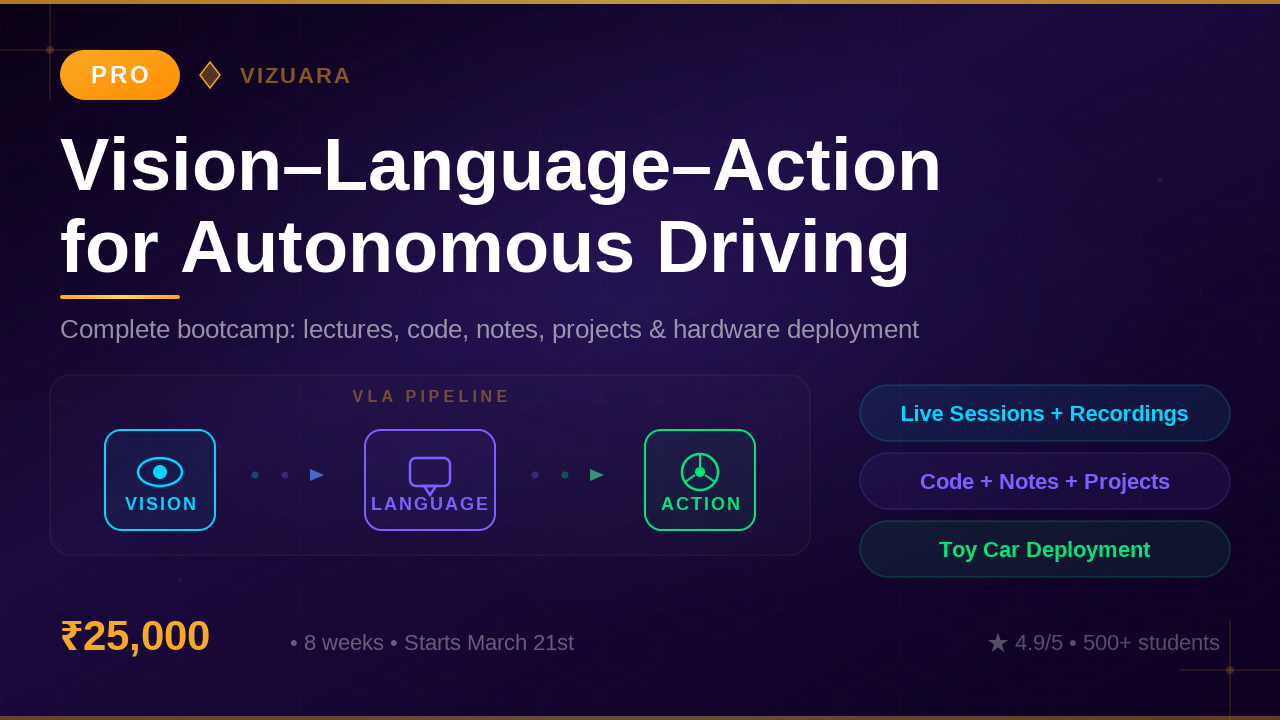
Vision-Language-Action for Autonomous Driving [PRO]
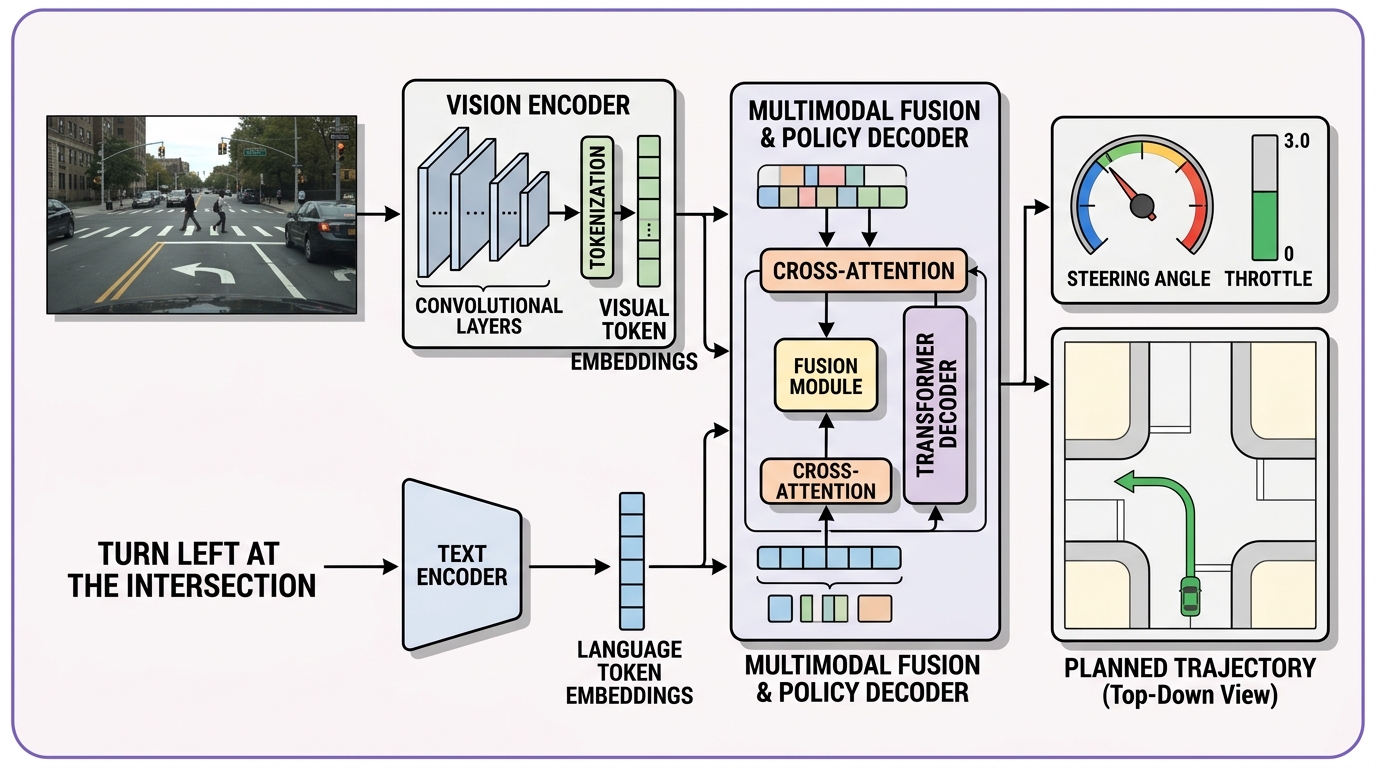
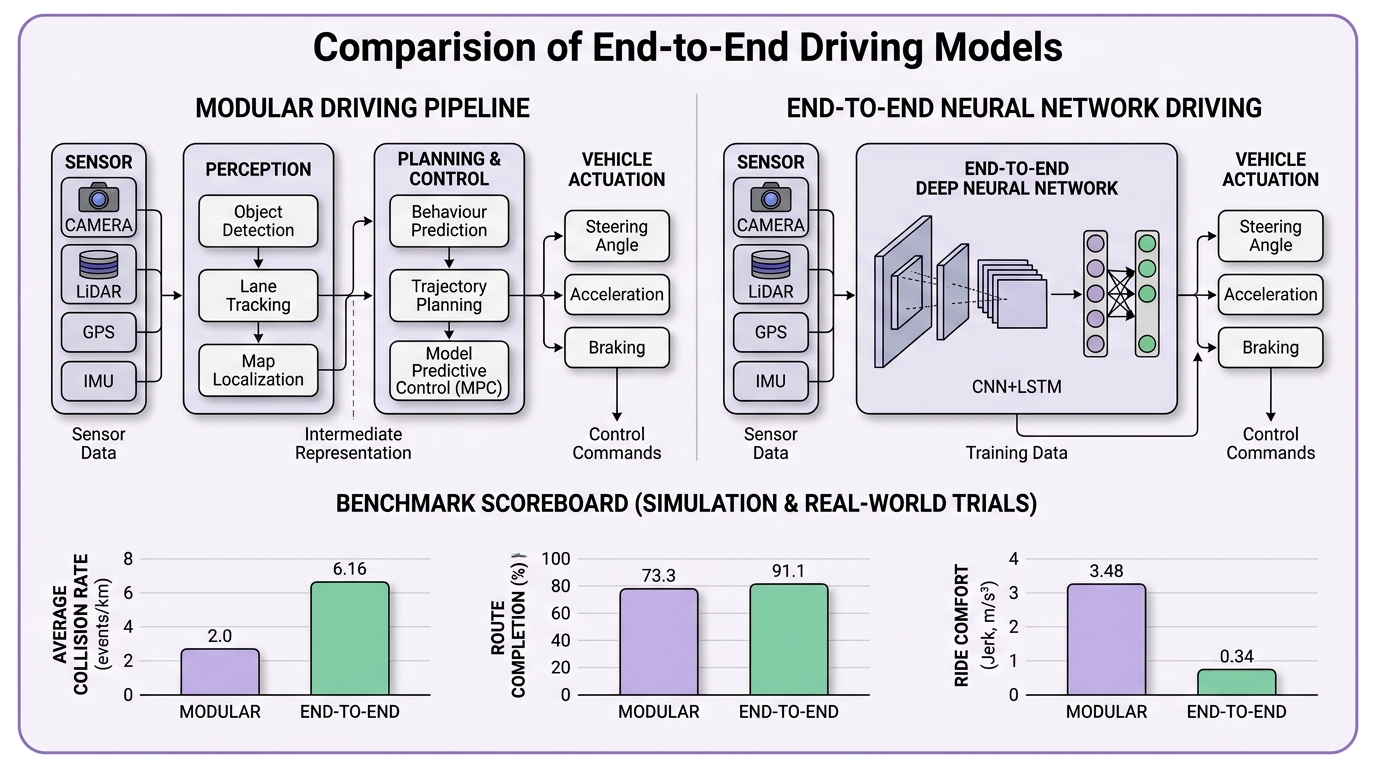
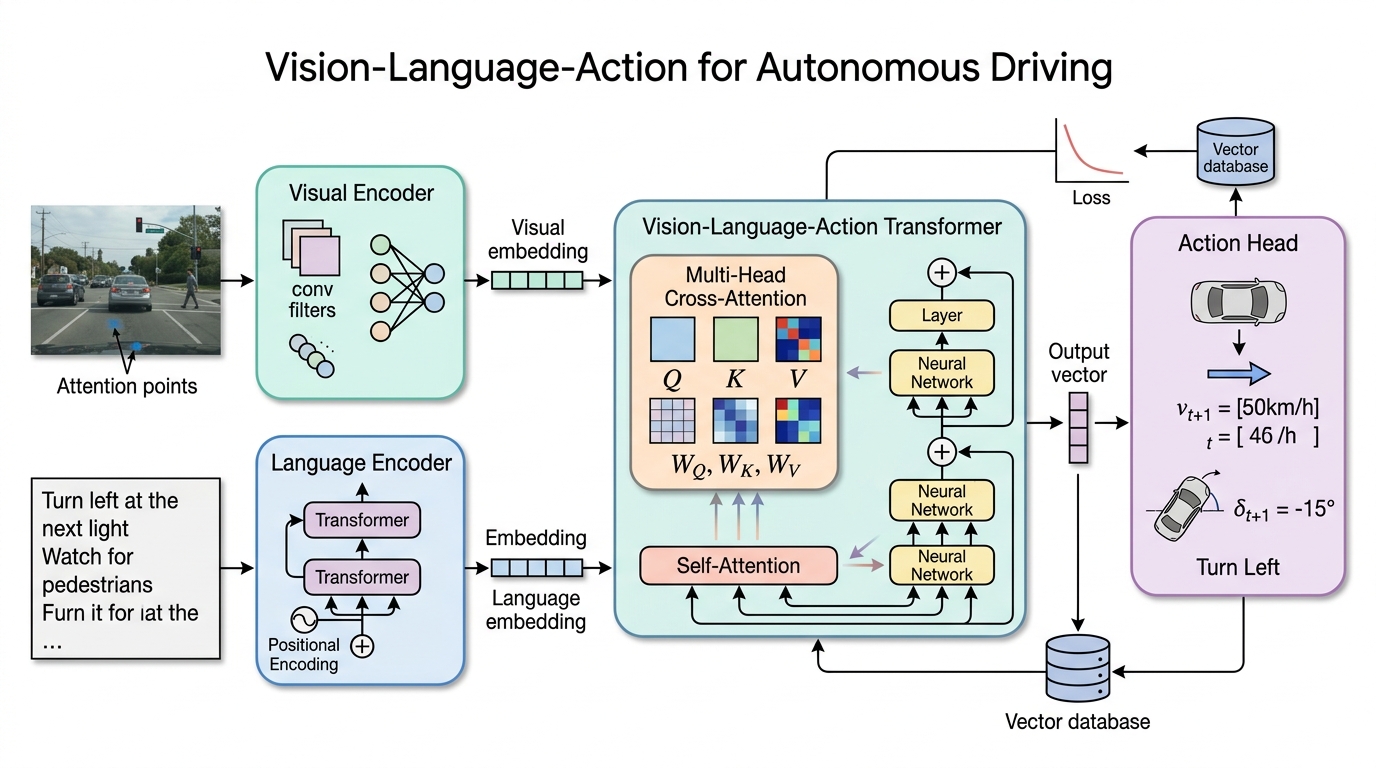
This live bootcamp is designed for learners who do not just want to understand autonomous driving at a surface level, but want to actually build and deploy a complete Vision–Language–Action system with their own hands, starting from raw visual input and ending with physical control on a real toy car. Over eight intensive weeks, we move step by step through the same conceptual stack that modern self-driving systems follow, beginning with visual perception, extending into language-driven reasoning, and finally closing the loop with action and control, so that every decision made by the model has a clear physical consequence in the real world. Most courses stop at models or simulations, but real autonomy begins only when perception, reasoning, and control interact under constraints of hardware, latency, noise, and imperfect sensing. This bootcamp is structured specifically to expose you to those realities in a guided manner, where you learn not only how models work in theory, but also why they fail, how they behave when deployed, and what design choices actually matter when building end-to-end systems. You will understand why vision alone is not enough, how language provides structure and intent to decisions, and how actions must be designed carefully to remain stable and interpretable in real environments. The learning experience is entirely live and cohort-based, with direct interaction, questions, and discussions during every session, and each concept is reinforced through hands-on coding and incremental projects. By the end of the program, you will have built a complete Vision–Language–Action pipeline, deployed it on a physical toy car, and documented your work in a way that is meaningful for research, industry roles, or further exploration in autonomous systems. This bootcamp is ideal for learners who want depth, clarity, and real systems thinking, rather than isolated model recipes.
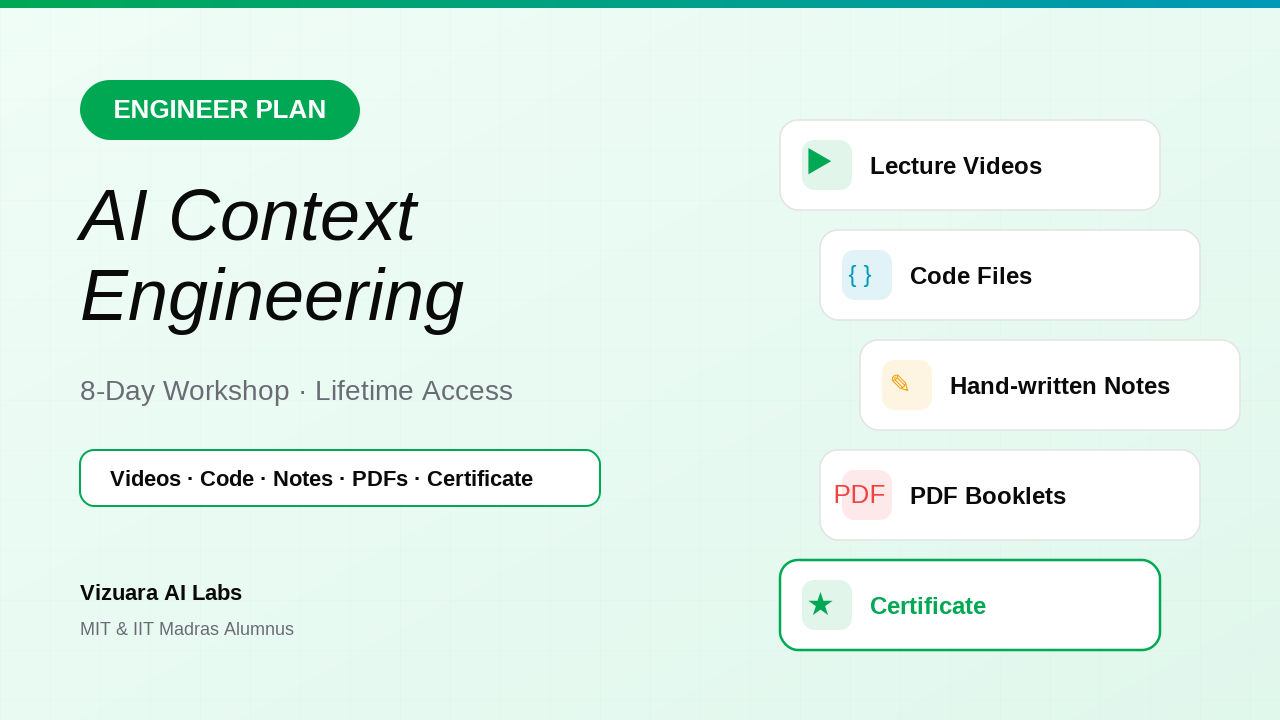
AI Context Engineering [ENGINEER PLAN]
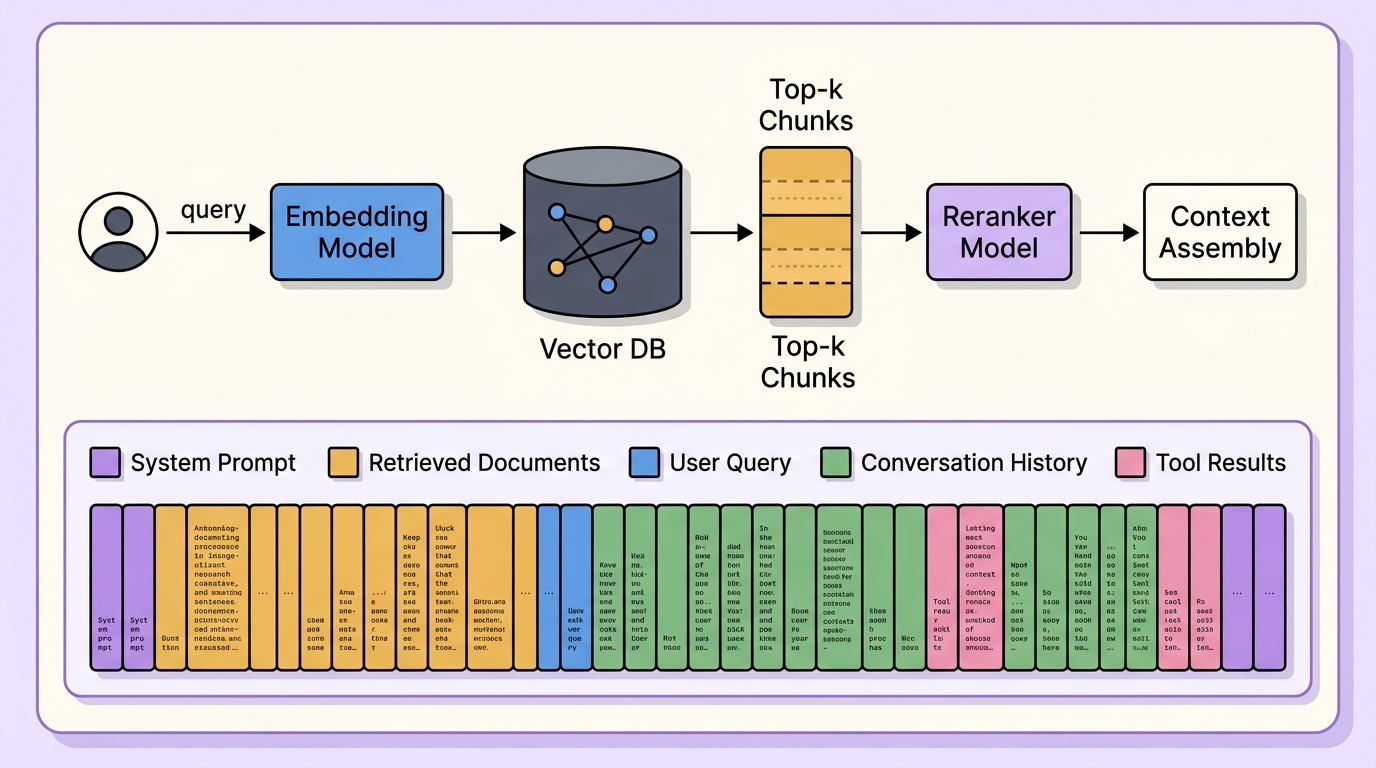
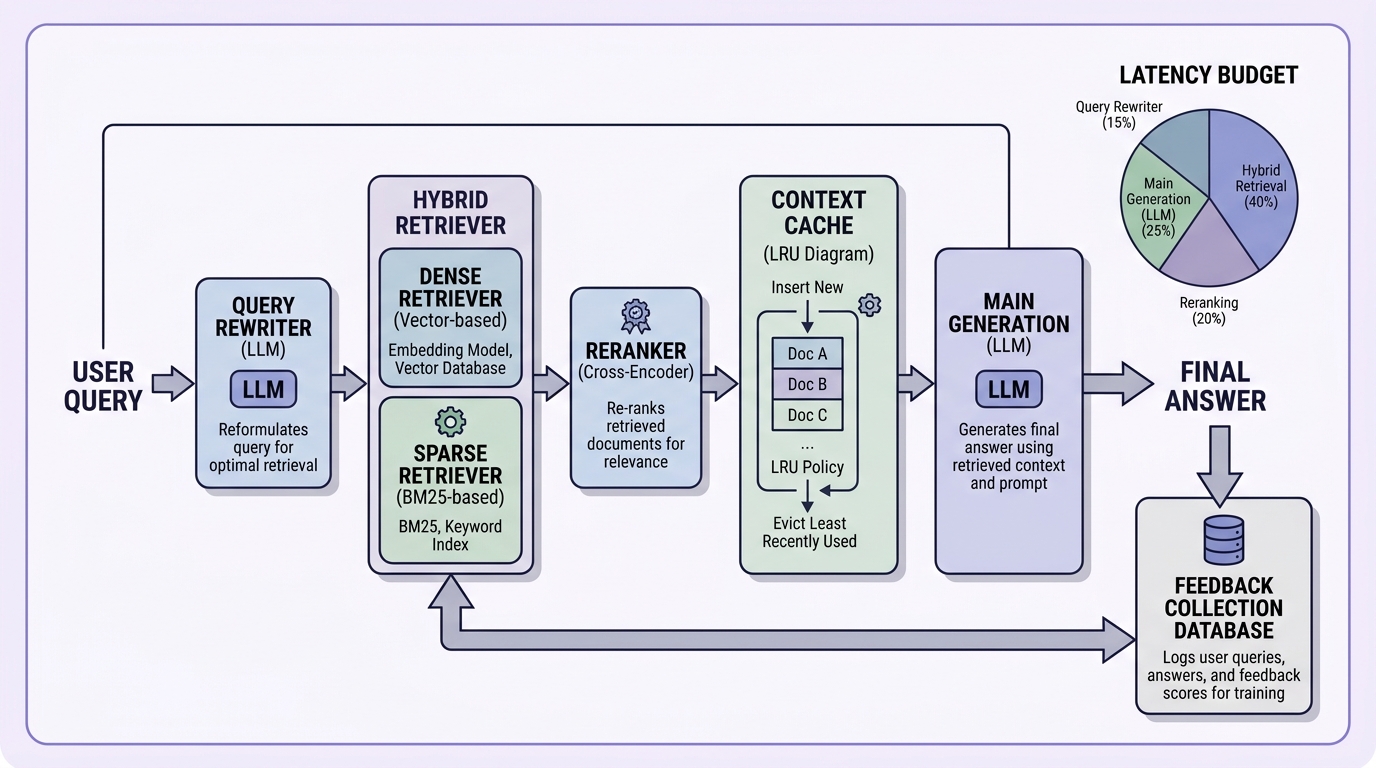
The AI Context Engineering course [ENGINEER PLAN] is designed for software professionals and industry enthusiasts looking to deepen their understanding of AI's transformative potential in context-sensitive applications. Throughout this intensive program, students will engage in a series of comprehensive lectures and build sessions, delving into the intricacies of context engineering for AI agents. Participants will explore innovative paradigms such as Software 2.0 and 3.0, the utilization of large language models, and how these impact modern software development. The course provides an array of resources, including lecture videos, detailed Miro notes, code files, and a private GitHub repository containing all course material. Students will have access to an interactive web platform for daily content, a Discord community for discussion, and quizzes to reinforce learning. By the course's conclusion, students will possess a rich understanding of developing and implementing digital assistants and voice agents, particularly through reinforcement learning and real-time user feedback. Although a research mentorship from Vizuara's team is not included, this course equips learners with the essential skills to navigate and innovate within the evolving landscape of AI technology. Ideal for tech professionals aspiring to specialize in AI context engineering, this course offers robust support through extensive resources and expert guidance. Participants can further enhance their learning experience by upgrading to the Industry Professional Plan for additional insights and mentorship opportunities.
AI Context Engineering [INDUSTRY PROFESSIONAL PLAN]
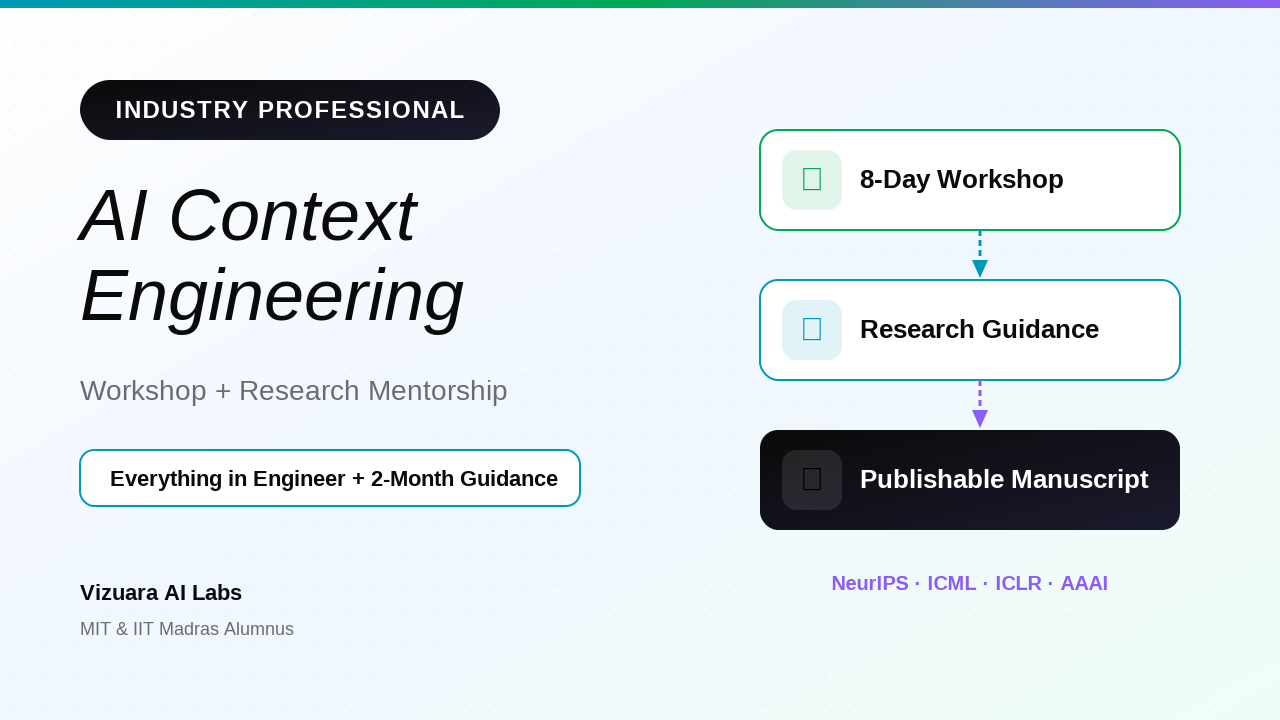
AI Context Engineering [INDUSTRY PROFESSIONAL PLAN] is designed for industry professionals seeking to deepen their understanding of AI-driven software development through the lens of context engineering. This comprehensive course spans across multiple sessions and lectures, offering in-depth insights into the evolution of software paradigms from traditional programming to neural networks and large language models. Participants will explore the latest industry trends, practical implementations, and real-world applications of AI in building dynamic personal agents and cost-effective voice agents. Students receive access to a wealth of resources, including lecture videos, code files, Miro notes, and a private GitHub repository. Interactive elements of the course include quizzes, a web platform for daily content, and a vibrant Discord community. Additionally, learners will benefit from a two-month research mentorship with team Vizuara, enhancing hands-on experience and theoretical knowledge. By the end of this course, students will be equipped with skills essential for leveraging AI's potential in professional environments, validated by a course certificate. Whether you're looking to advance your career or contribute to cutting-edge AI projects, this course serves as a pivotal stepping stone in mastering context engineering.
Mathematical Foundations for Machine Learning [Jan 2026]
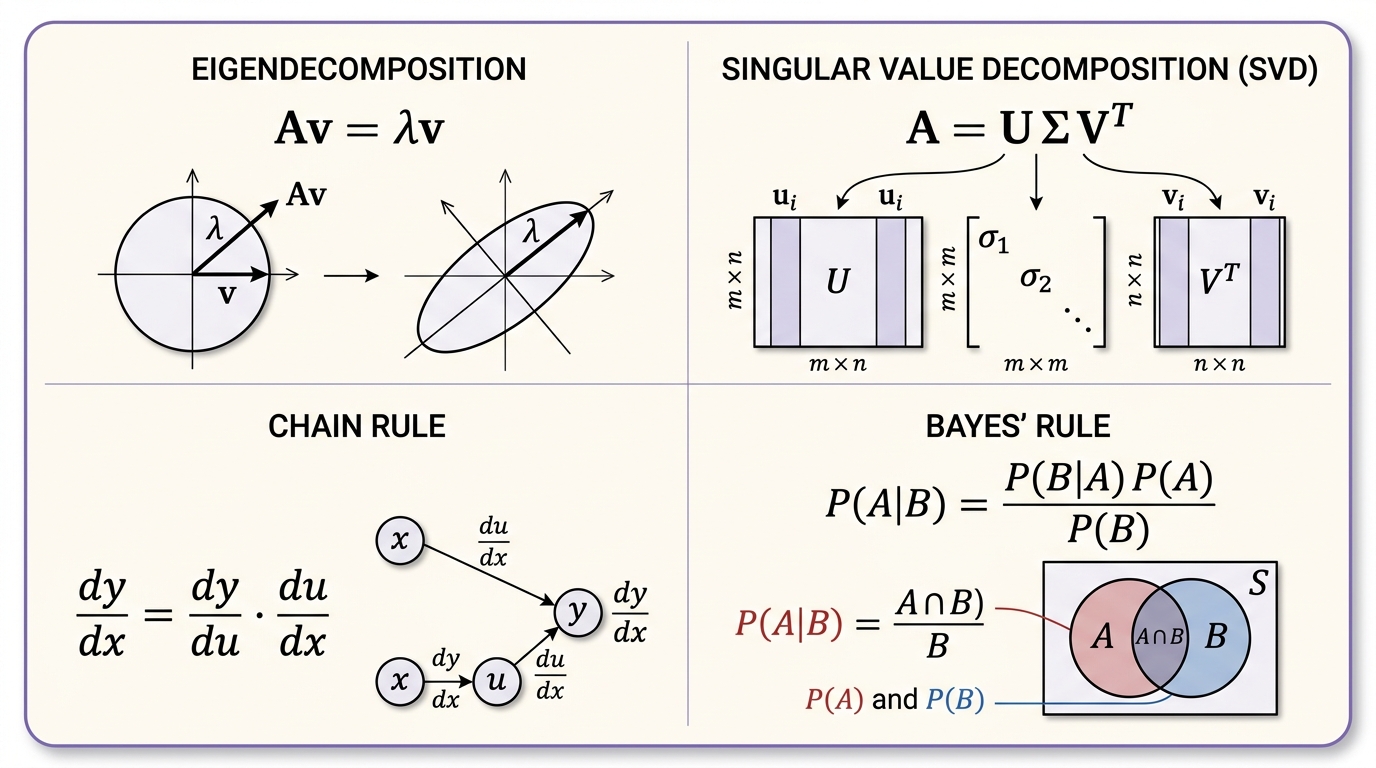
The course "Mathematical Foundations for Machine Learning" offered in January 2026 is designed to equip students with the essential mathematical tools necessary for the field of machine learning. The course covers critical topics such as the dot product viewed as a linear transformation in linear algebra, and the insightful application of eigenvalues and eigenvectors to elucidate the effects of linear transformations on vector scaling. Students will also delve into the fundamentals of integral calculus, gaining an understanding of both definite and indefinite integrals and their intrinsic relationship with differentiation. This strong foundation in mathematics is essential for learners aiming to specialise in artificial intelligence and machine learning applications. The course is suited for those who are part of Vizuara's AI/Generative AI program, providing a comprehensive blend of theoretical knowledge and practical exercises. Through recorded lectures, interactive office hours, and hands-on projects, participants will develop a robust comprehension of the mathematical concepts that underpin advances in machine learning. Whether you’re a student looking to deepen your understanding or a professional aiming to strengthen your AI skill set, this course provides the necessary groundwork and support to enhance your competencies in machine learning mathematics.
Machine Learning and Deep Learning Mastery [Jan 2026]
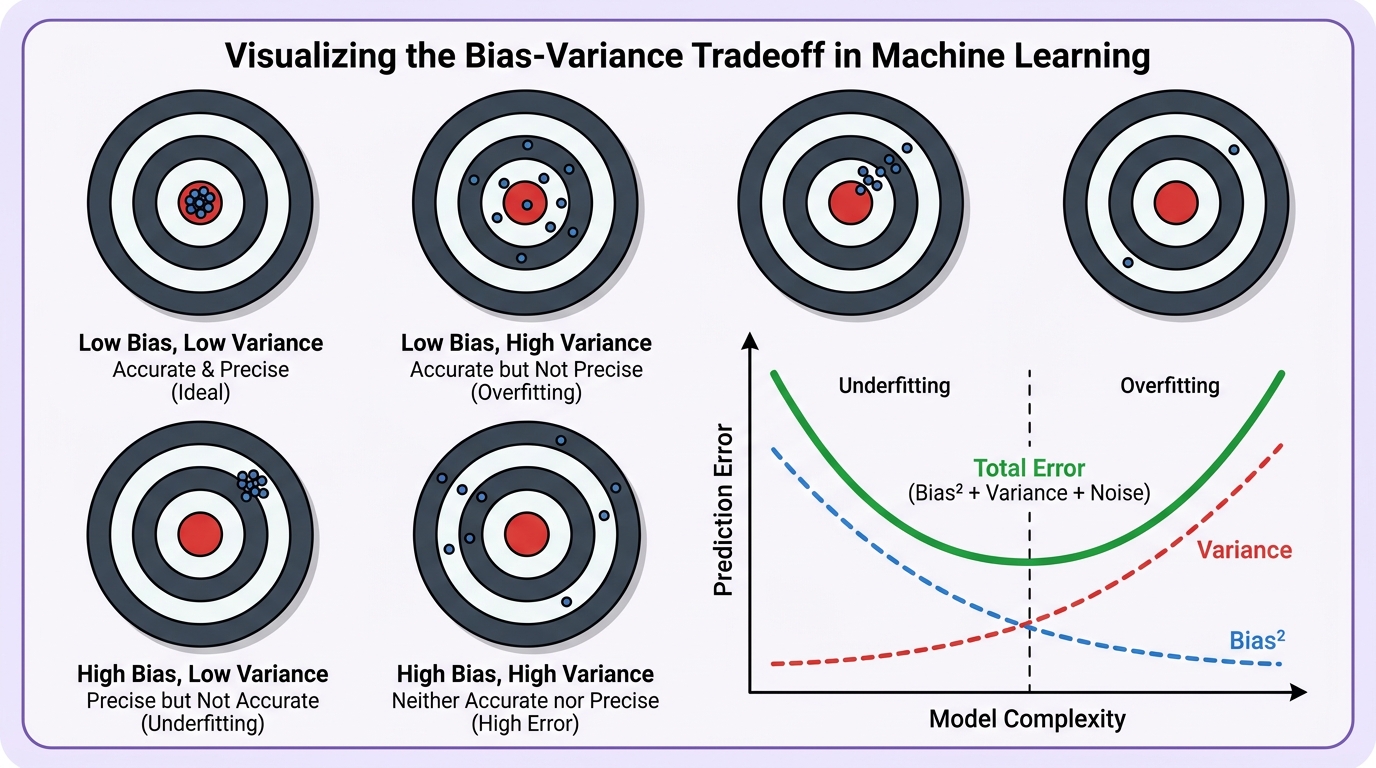
"Machine Learning and Deep Learning Mastery [Jan 2026]" is an intensive course designed to provide learners with a comprehensive understanding of both foundational and advanced concepts in machine learning and deep learning. Through a series of expertly curated lectures, students will explore the fundamental distinctions between AI, ML, and DL, with real-world applications such as predictive modeling and recommendation systems, before diving into specific machine learning types, including supervised, unsupervised, and reinforcement learning. Key mathematical concepts like regression, ridge regression, and logistic regression will be dissected, giving students a strong grasp of both theory and practical application. The course also offers a deep dive into neural networks, covering neurons, layers, activation functions, and comprehensive backpropagation insights. Emphasizing practical learning, the curriculum includes numerous Google Colab notebooks for hands-on coding experiences, covering everything from feature engineering to optimizer algorithms like ADAM and RMSPROP. This course is ideal for enthusiasts who are eager to master the intricacies of machine learning and deep learning, and it is tailored to those ready to engage with AI technologies intensively, from beginners seeking a strong foundation to professionals looking to deepen their expertise. A firm grasp of mathematical and programming fundamentals is recommended to make the most of this detailed and highly interactive learning experience.
NLP and Computer Vision Mastery [Jan 2026]
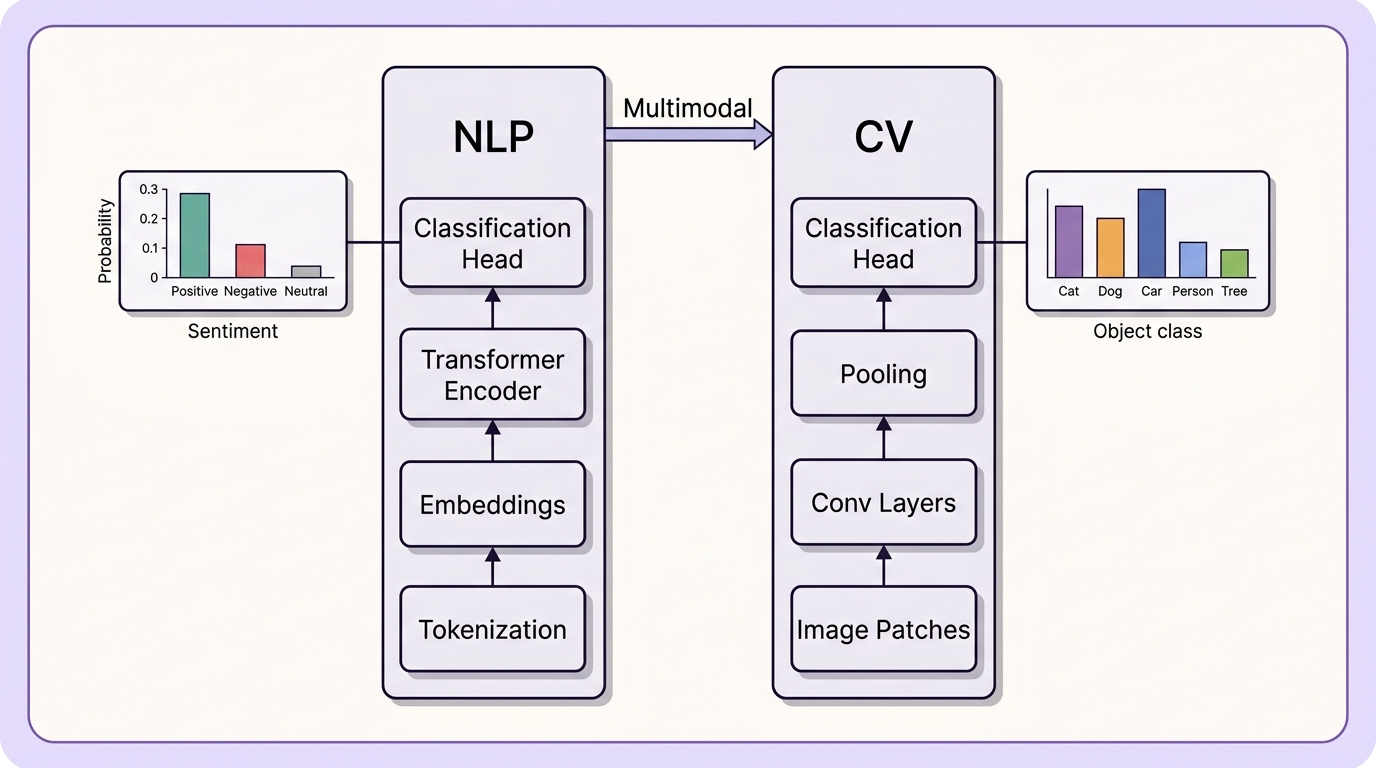
The course "NLP and Computer Vision Mastery [Jan 2026]" offers an in-depth exploration into the intricate fields of Natural Language Processing and Computer Vision, tailored for students pursuing a minor in AI/Generative AI. This rigorous curriculum covers critical topics such as TensorFlow vs. NumPy speed comparisons, linear model classification, filter operations, transfer learning techniques with AlexNet, VGG, ResNet, and RCNN models, as well as advanced concepts like L1 and L2 regularization and deployment of models using OpenCV and Streamlit. Through a combination of pre-recorded lecture videos, code-based project work, and interactive office hours, participants gain hands-on experience and theoretical knowledge essential for mastering these domains. Students will engage with Colab notebooks for practical sessions, offering a platform to apply machine learning concepts in real-world scenarios. This course is intended for learners who seek to develop a comprehensive understanding of AI technologies, preparing them for advanced academic pursuits or professional work in AI-driven industries.
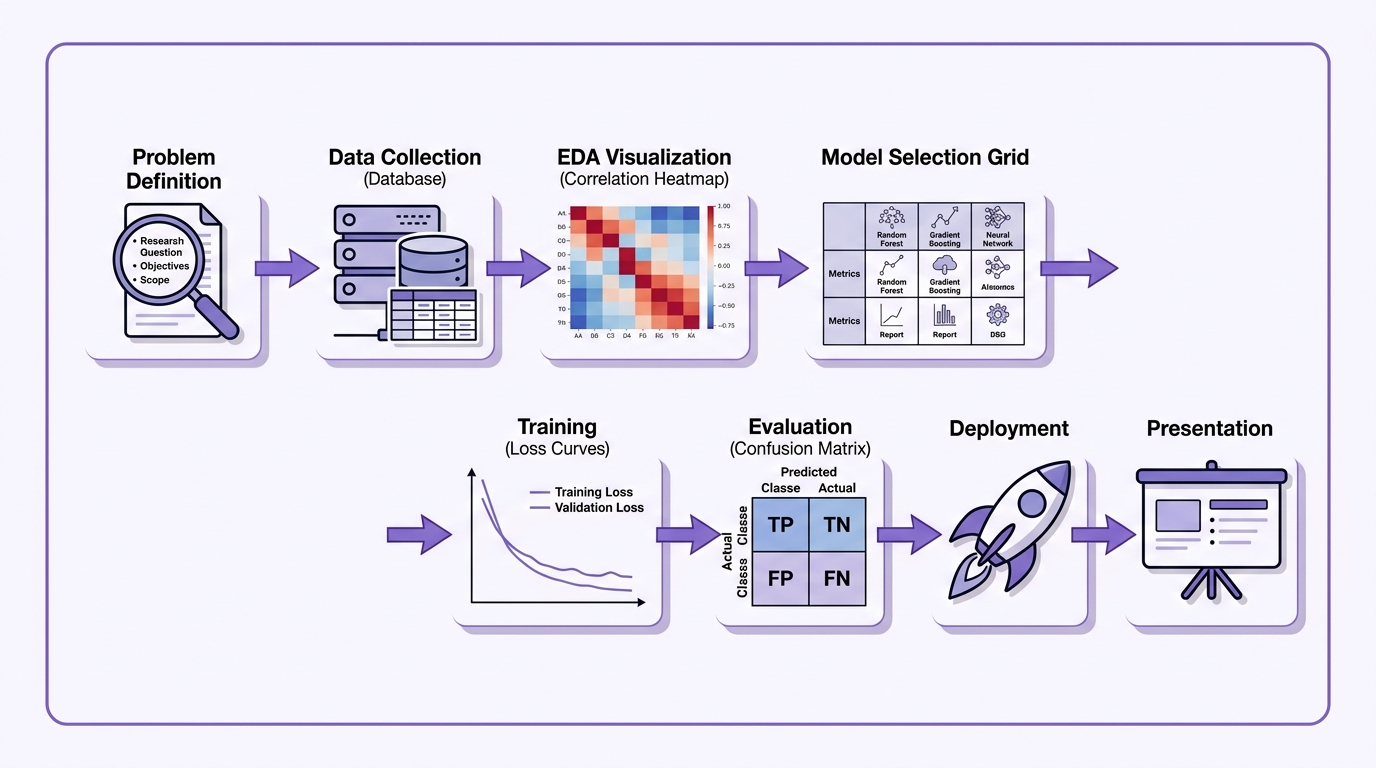
ML-DL Capstone Project [Jan 2026]
Apply your machine learning and deep learning knowledge to build real-world capstone projects with expert guidance.
Generative AI Fundamentals [Jan 2026]
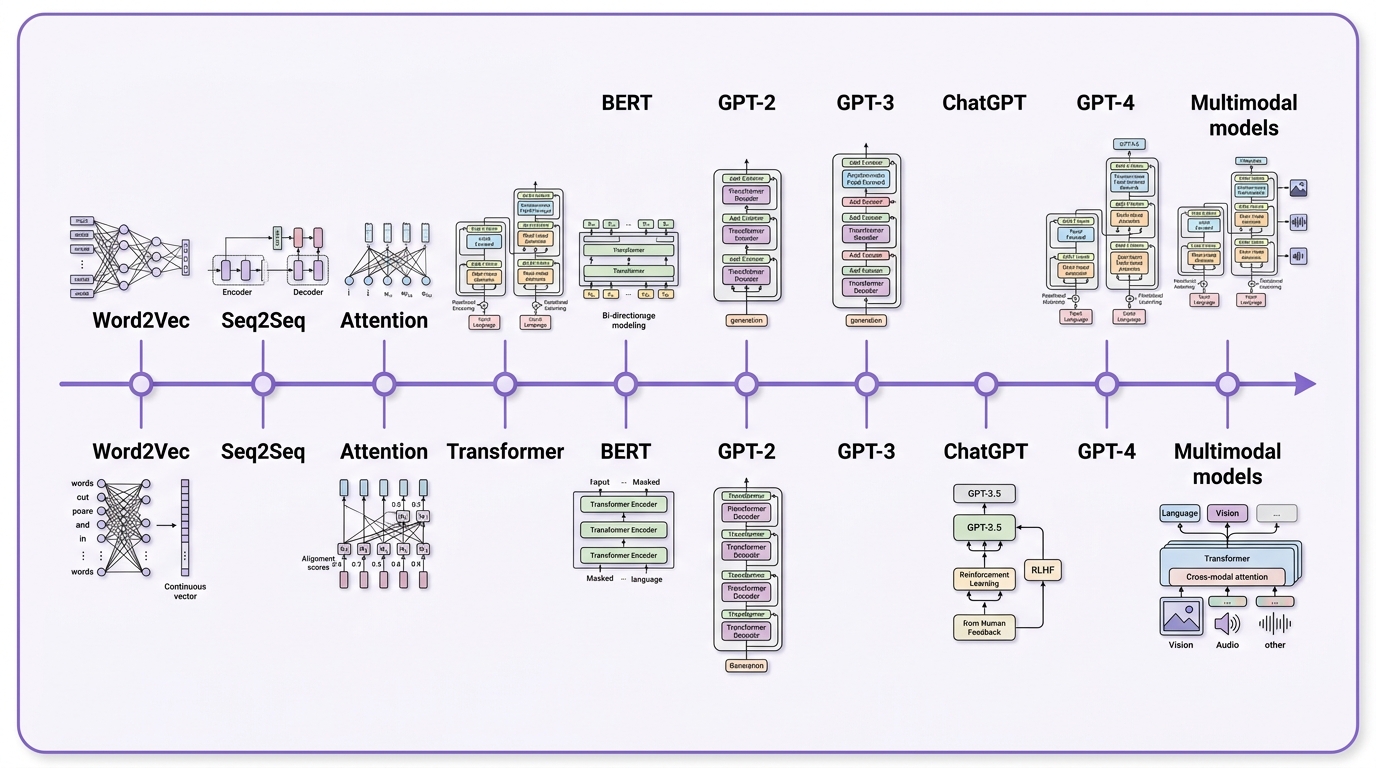
The "Generative AI Fundamentals" course, starting in January 2026, offers an in-depth exploration of various generative AI techniques and models, tailored for students embarking on a Minor in AI/Generative AI. Throughout this comprehensive program, students are introduced to essential AI tools like ChatGPT and Canva for marketing applications, and progressively delve into more sophisticated topics such as RNNs, LSTMs, and Transformers. The course emphasizes hands-on experience with coding sessions in Python, utilizing platforms like Google Colab to build and implement models. Students gain expertise in building Recurrent Neural Networks from scratch and learn to tackle their limitations, understanding advanced architectures such as LSTMs and their practical applications in language translation and text generation. The curriculum further explores attention mechanisms, their significance in NLP, and the robust capabilities of transformers in text generation tasks. In the latter part of the course, learners engage with Generative Adversarial Networks (GANs) for image generation, including creating realistic images using GANs on the CIFAR-10 dataset and generating fake human faces. Additionally, the course covers diffusion models for image generation, emphasizing their application in generating complex structures like logographic language characters. This course is ideal for students eager to understand generative AI's diverse applications, from foundational algorithms to cutting-edge techniques in AI-driven creativity and artistry. The structured mix of theory and practical coding sessions ensures students not only comprehend these technologies but also apply them creatively in real-world scenarios.
Build LLM from scratch [Jan 2026]
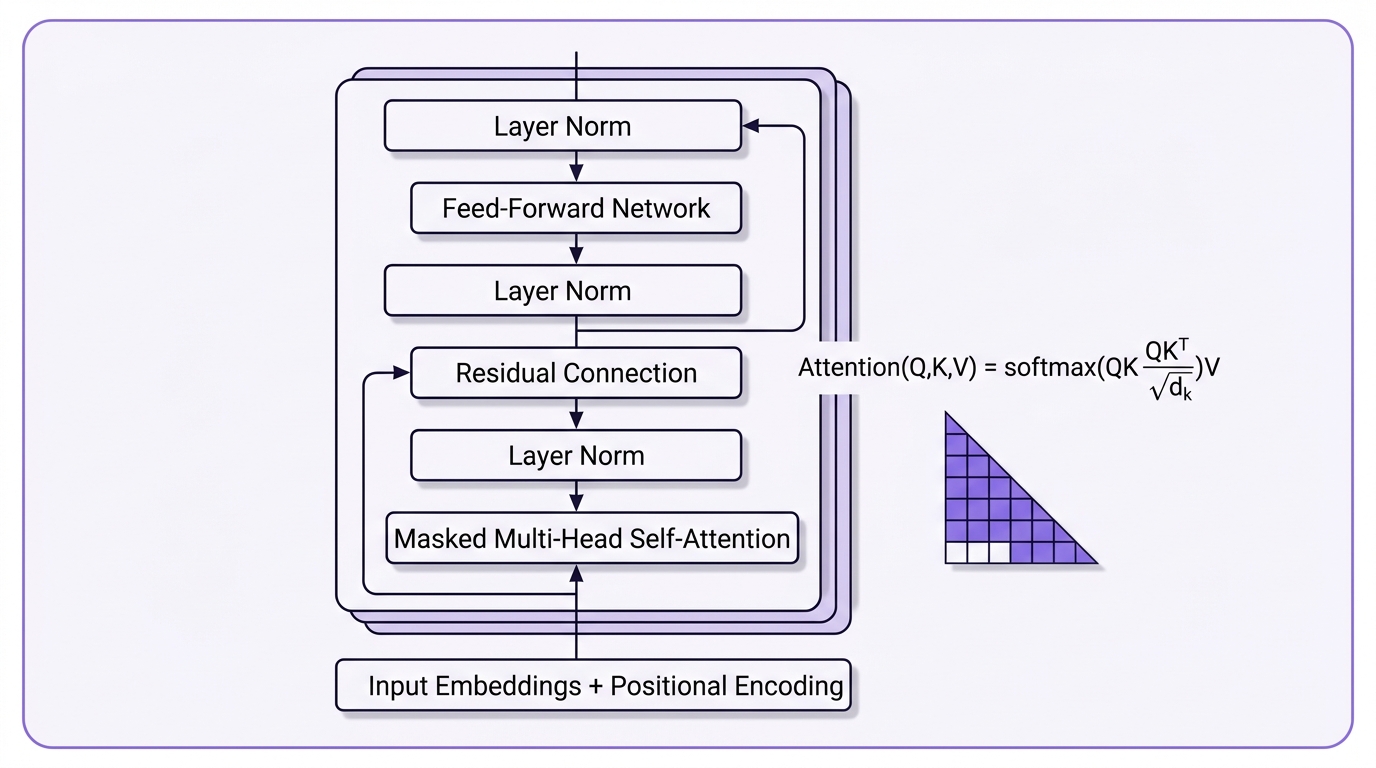
The "Build LLM from Scratch" course is designed for students eager to delve into the intricacies of large language models (LLMs) and is particularly suitable for those pursuing a minor in AI or Generative AI. This comprehensive course provides a robust foundation in understanding and constructing LLMs, starting with the basic principles and mechanics such as token prediction, handling non-coherent input, and interpreting probability distributions. Students will gain insight into the scaling laws and emergent properties of LLMs, tracing the historical evolution from early models to sophisticated architectures like GPT-4. Core components such as tokenization, Byte Pair Encoding, and token embeddings are thoroughly discussed, with hands-on opportunities to implement these techniques using Google Colab notebooks. As the course progresses, learners explore advanced concepts like self and multi-head attention, positional encoding, layer normalization, and the complete GPT architecture. Each topic is complemented by theoretical and coding lessons aimed at facilitating a deeper understanding of the attention mechanism, neural networks, and loss function calculations. Designed to be interactive, the course includes regular office hours to address technical questions and project-based capstone components to reinforce learning.
LLMs: Deployment in Production [Jan 2026]
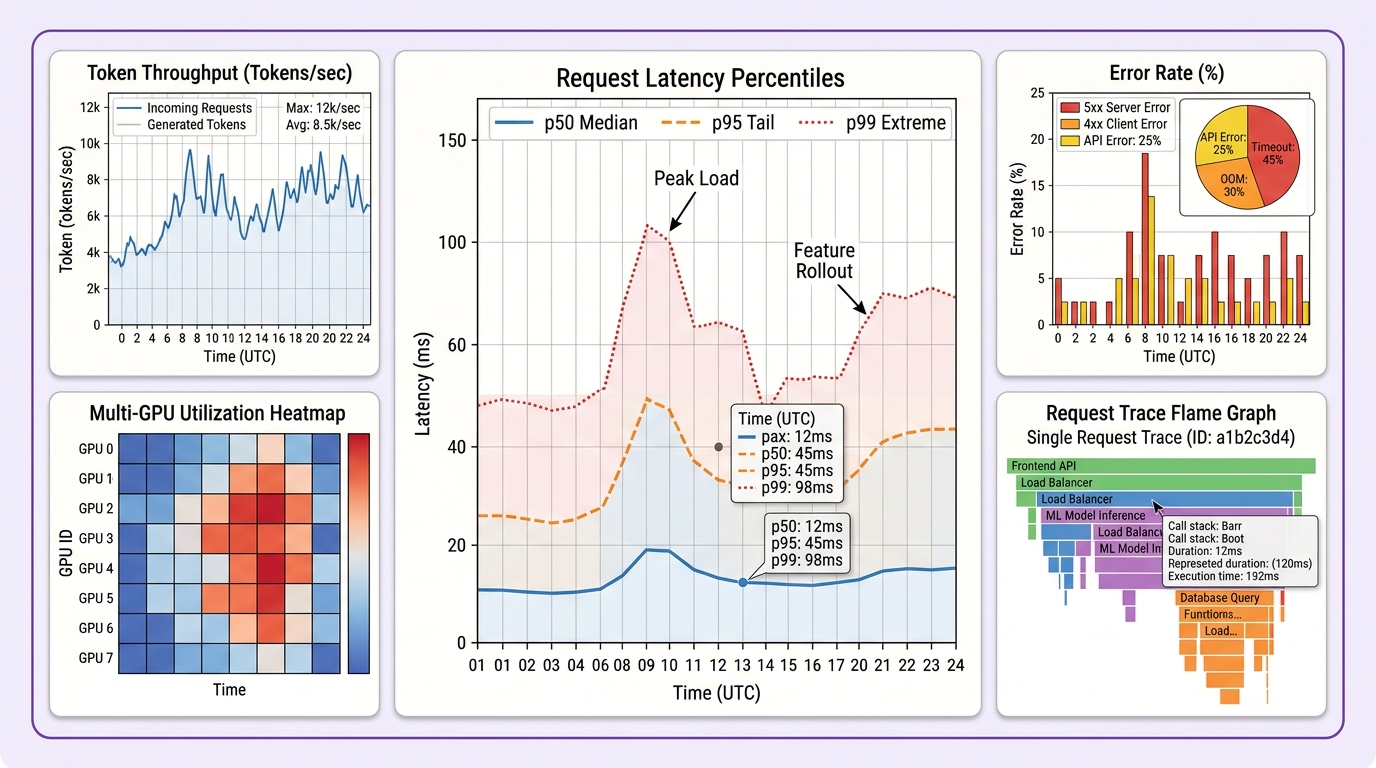
The course "LLMs: Deployment in Production" set for January 2026, is an advanced program designed for AI enthusiasts, machine learning engineers, and data scientists who aim to enhance their knowledge and skills in deploying large language models (LLMs) in real-world applications. The curriculum delves deeply into the nuances of fine-tuning LLMs, offering a comprehensive exploration of foundational techniques, proprietary data integration, and cost-efficient strategies like parameter efficient fine-tuning (PEFT). It examines cutting-edge subjects like subliminal learning and retrieval-augmented finetuning, emphasizing practical research applications using OpenAI and Hugging Face tools. With a strong focus on deployment-ready skills, students learn about RAG workflows, prompt engineering, and advanced text classification and clustering methods, leveraging popular models like BERT and GPT-2. Complemented by extensive resources, including video lectures, Google Colab tutorials, and industry insights, the course equips participants with the necessary competencies to implement, optimize, and manage LLMs in production environments effectively. This program is ideal for professionals and students wishing to specialize in the development and deployment of language models within various industrial and research contexts.
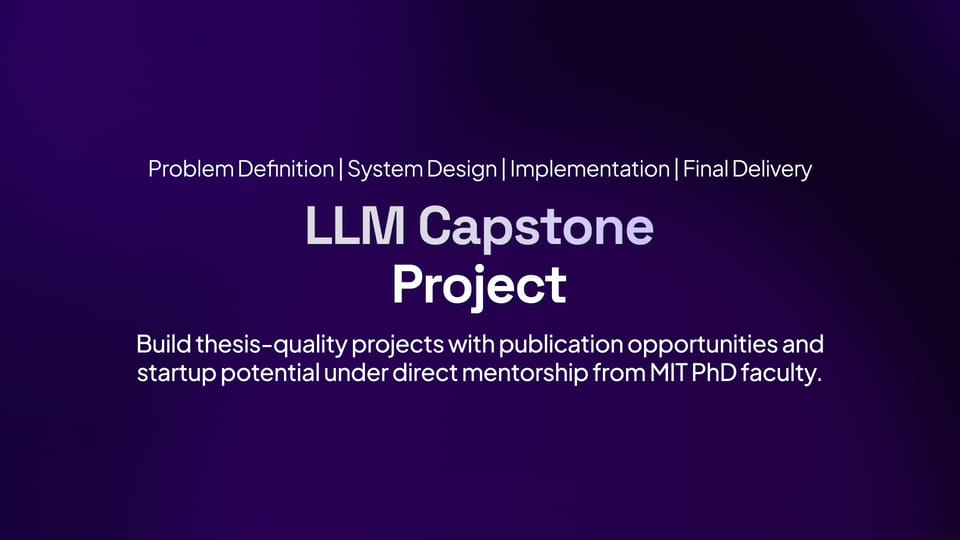
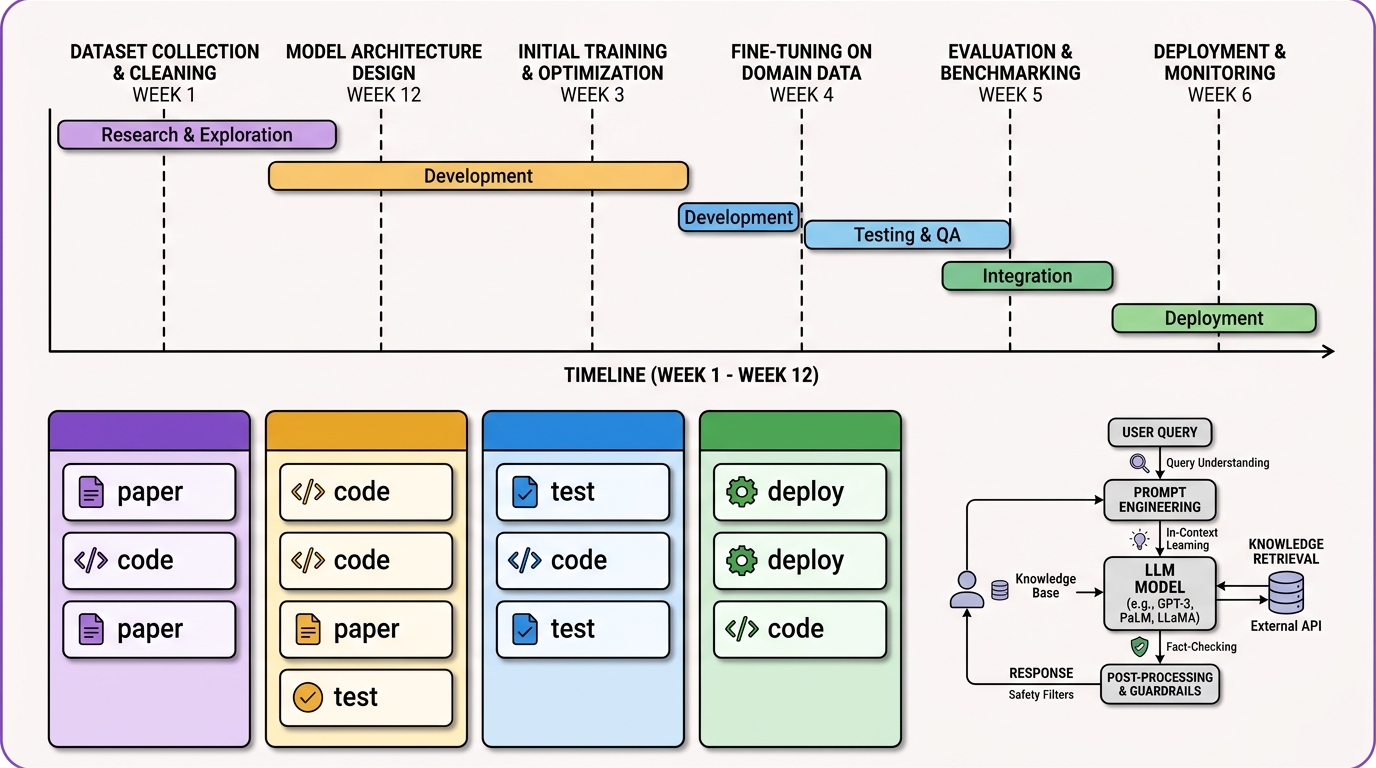
LLM Capstone Project [Jan 2026]
The LLM Capstone Project [Jan 2026] is a project-based course designed for students pursuing a Minor in AI/Generative AI, aiming to leverage their learning and skills towards innovative and impactful outputs. This course, introduced through a video lecture, emphasizes collaboration with the LLM Production course, encouraging participants to propose projects that have the potential to evolve into products, research papers, or public repositories. Participants, who were part of a robust kick-off meeting attended by approximately 100 individuals, will not have traditional lecture videos but will receive guidance and next steps during office hours led by Dr. Raj and Dr. Sreedath. Office hours details and access to recordings of any meetings will be streamlined to accommodate the students' schedules and facilitate ongoing engagement. The course is tailored to students enthusiastic about contributing to the field of artificial intelligence and generative AI, providing them with the opportunity to work on real-world problems and showcase their learning through a tangible capstone project.
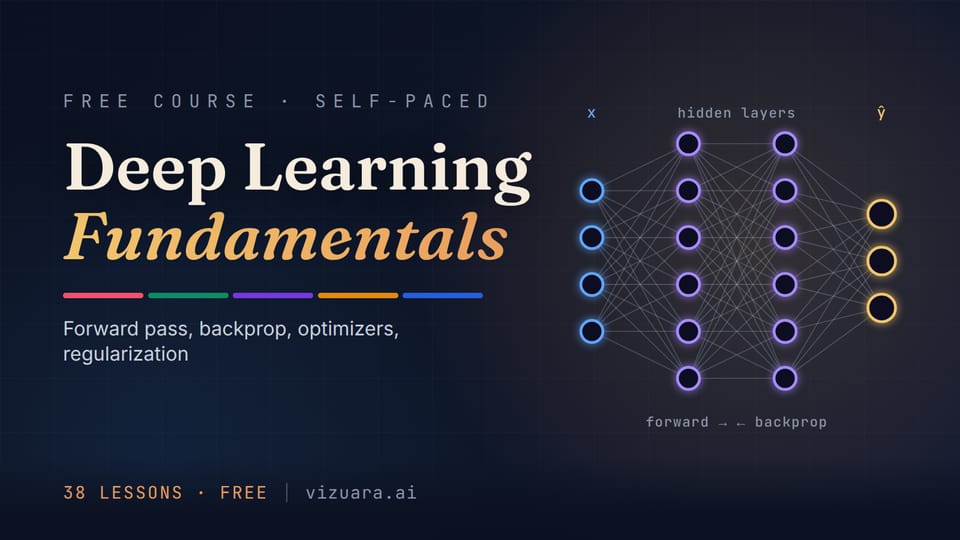
Build Deep learning fundamentals
Write a complete neural network library in NumPy and understand every line of it. This course follows the same order a framework like PyTorch uses internally: layers, forward pass, loss, backward pass, optimisers, regularisation, then real projects. What you will learn Neurons, dense layers, activation functions and the cross-entropy loss in code Backpropagation derived and implemented through softmax, ReLU and the loss Six optimisers built and compared: gradient descent, momentum, learning-rate decay, Adagrad, RMSProp and Adam Dropout, L1 and L2 regularisation, k-fold cross validation and honest testing Two end-to-end projects: California housing regression and Fashion-MNIST classification What is included 38 lessons with about 18 hours of video Google Colab notebook for every step Detailed lecture notes and a 20-minute summary of the whole series Course end test Who it is for Anyone who has used a deep learning framework and wants to know what happens underneath. Basic Python and NumPy are enough.
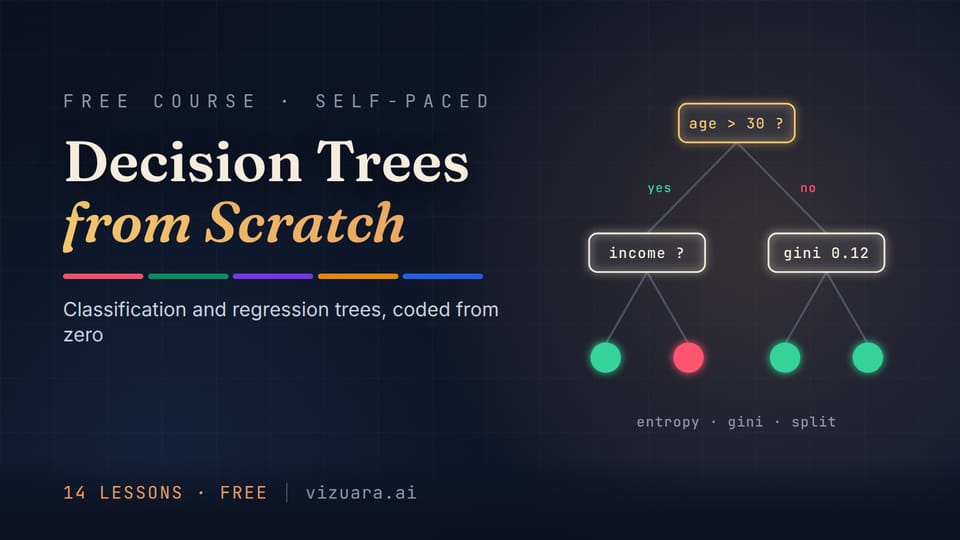
Build Decision Trees From Scratch
Build classification and regression decision trees from scratch in Python and understand the model behind random forests and gradient boosting. Trees are the most readable models in machine learning, and once you have written one you can reason about any ensemble built on them. What you will learn What a split has to decide and how Gini impurity measures it for categorical and numerical data Growing a full classification tree in code, then pruning it Regression trees from a single feature to many features How to explain trees clearly in an interview What is included 14 focused lessons with about 7 hours of video, all code written live Complete lecture notes Interview preparation summary Course end test Who it is for Learners who know basic Python and want their first complete, from-scratch ML algorithm.
Build Machine Learning Fundamentals
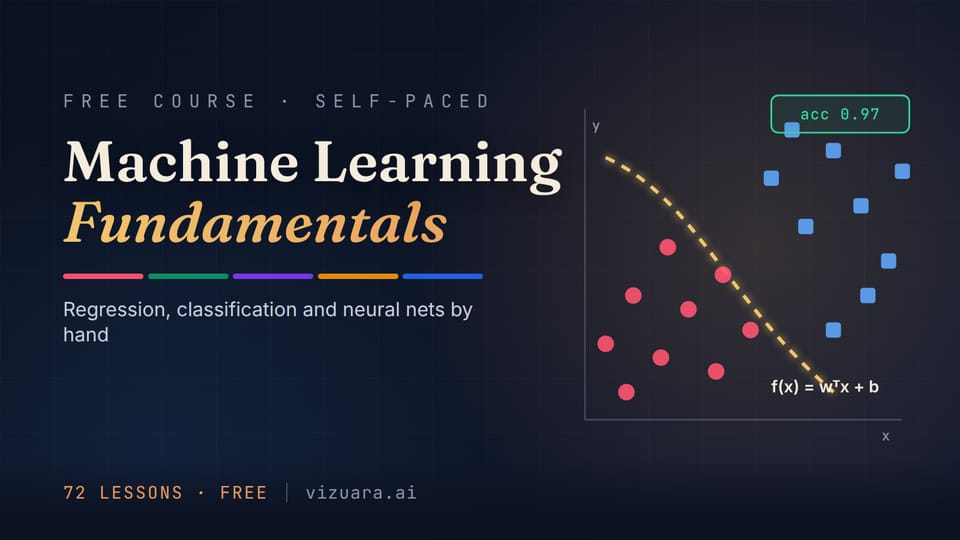
Learn machine learning by building the models yourself, not by calling a library. Starting from what ML is and the six steps of every ML project, you code linear classifiers, logistic regression, linear and ridge regression and a small neural network from the ground up in Python, and you understand what each parameter is doing. What you will learn The types of ML models and how a real ML project is structured Logistic regression, gradient descent, cross-entropy loss and regularisation, all coded from scratch Linear regression, ordinary least squares and ridge regression with full derivations Neurons, layers, activation functions and backpropagation, ending with hands-on network training What is included 72 lessons with about 19 hours of video Lecture notes for every section Interview-style recaps of classification and regression Course end test Who it is for Beginners with basic Python who want a solid, code-first grounding before moving on to deep learning.
Build SLM from Scratch Workshop [PRO]
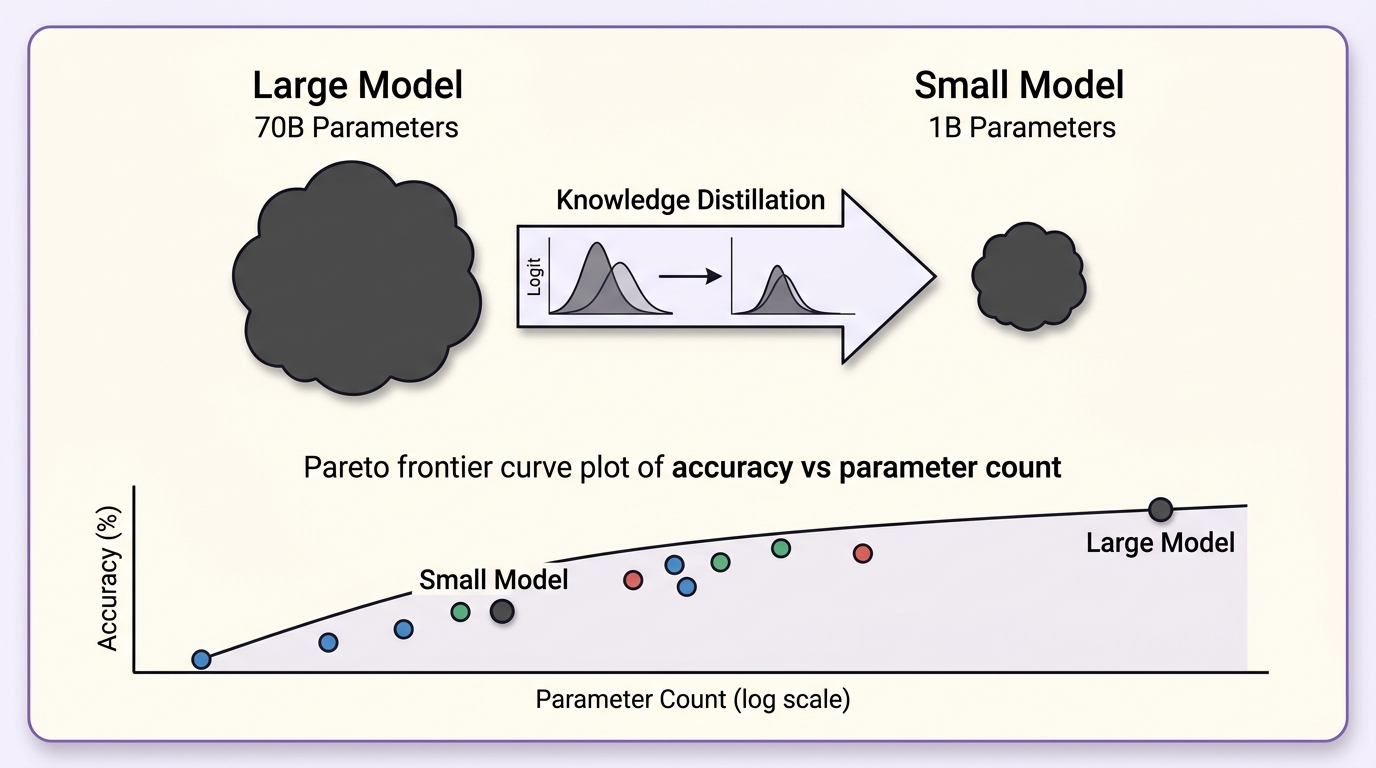
The "Build SLM from Scratch Workshop [PRO]" course is a comprehensive program designed for intermediate to advanced learners interested in developing their own small language models (SLMs) from the ground up. Over the course of four detailed sessions, participants are introduced to the foundational concepts of SLMs, including their differences from large language models (LLMs), and the key processes of dataset preparation, tokenization, and creating input-output pairs. The course takes a hands-on approach, employing Google Colab for practical exercises, as students learn to assemble the architecture of SLMs and handle the distinct roles of processor and output blocks. In addition, learners will establish a training and inference pipeline, refine techniques for parameter tuning, and overcome challenges related to data handling. The final session delves into the replication of renowned models like GPT-2 and BioGPT, emphasizing pre-training, domain-specific fine-tuning, and the strategic use of model parameters. As part of their learning journey, students will engage with various data sets and repositories, ensuring they gain practical, in-depth experience applicable to professional contexts in AI and machine learning. This workshop is ideal for tech enthusiasts looking to expand their expertise in AI model development or professionals aiming to implement customized language models in specific sectors, such as the biomedical field.
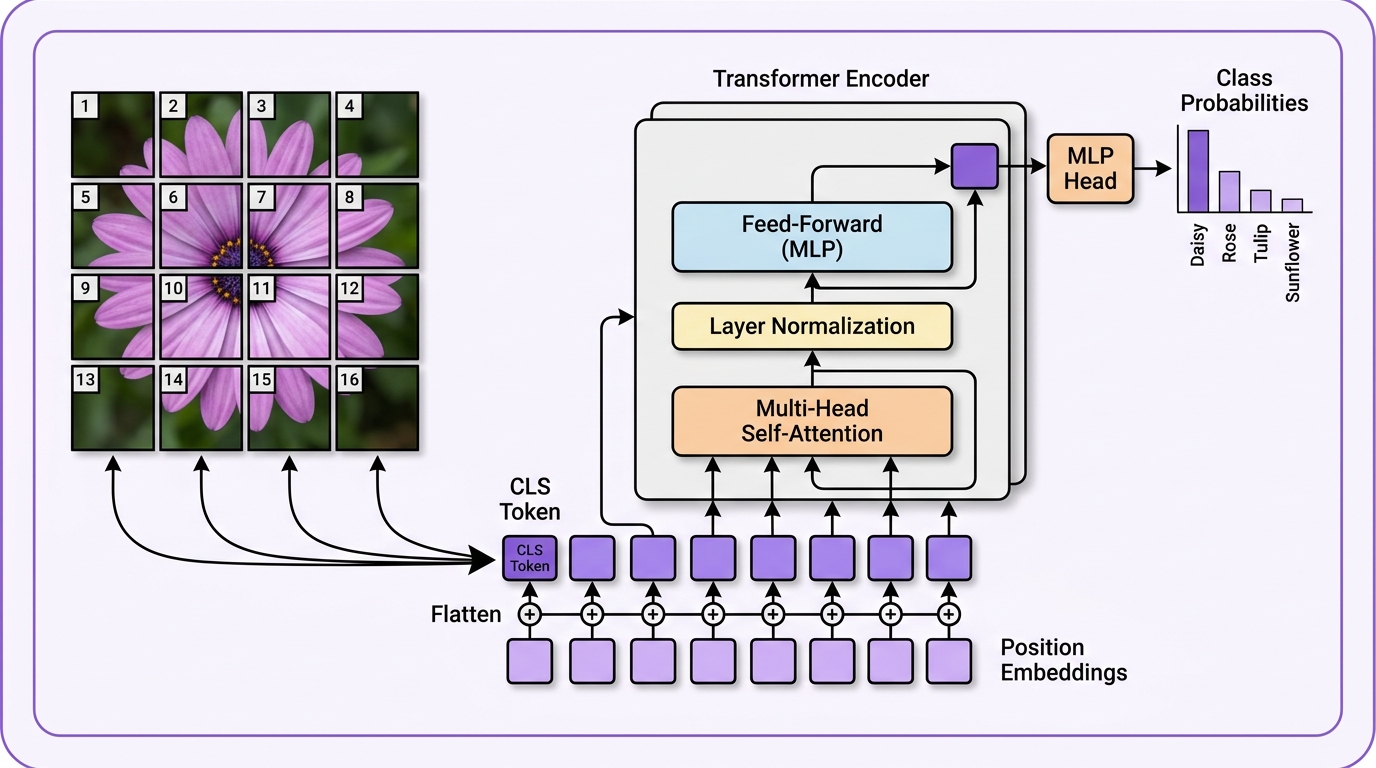
Build Vision Transformer (ViT) From Scratch
"Build Vision Transformer (ViT) From Scratch" is an intensive course designed for tech enthusiasts, data scientists, and AI researchers interested in deepening their understanding of transformer architectures, specifically Vision Transformers (ViTs). Participants will engage in a hands-on learning experience where they will construct a ViT model from the ground up. Through a combination of live lectures, a comprehensive PDF guide, and practical coding assignments on Google Colab, students will gain valuable insights into the workings of ViTs, how they differ from traditional convolutional neural networks, and their application in computer vision tasks. By the end of the course, students will be equipped with the skills necessary to implement ViTs and apply them to real-world problems. This course is ideal for individuals with prior experience in machine learning and a keen interest in the latest advancements in AI technology.
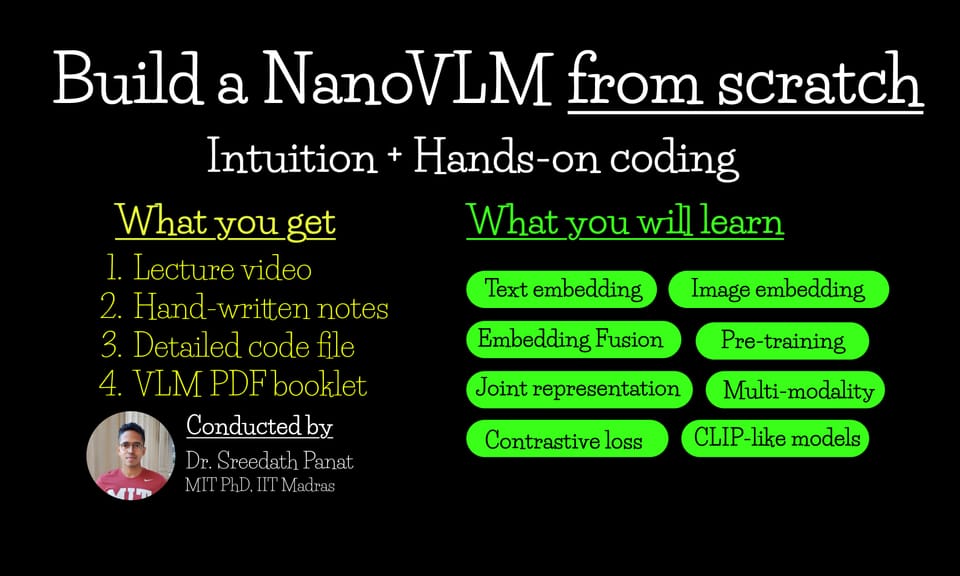
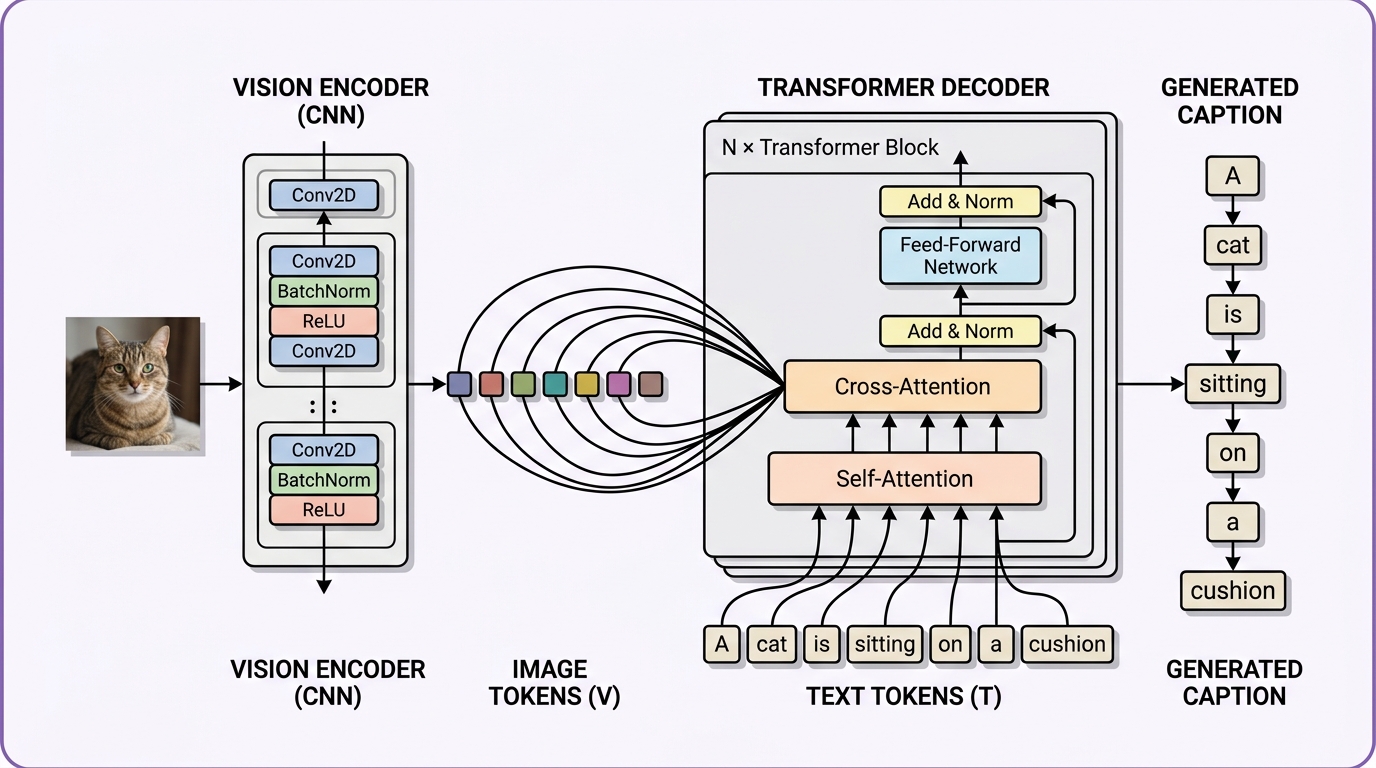
Build a NanoVLM from scratch
The course "Build a NanoVLM from scratch" is designed for individuals interested in gaining hands-on experience in developing a Nano Vision Language Model (VLM). Throughout the course, students will delve into the core aspects of constructing a NanoVLM, utilizing various resources provided, including video lectures, hand-written notes, and practical code files. Participants will have access to interactive sessions via a Zoom link and can enhance their understanding through detailed materials such as a comprehensive VLM PDF booklet by Vizuara. This course is particularly suited for aspiring machine learning practitioners and researchers keen on expanding their skills in the burgeoning field of vision language models, offering them a structured pathway to create a functioning model from the ground up.
Build your own GPT from Scratch [Jan 2025 cohort archive]
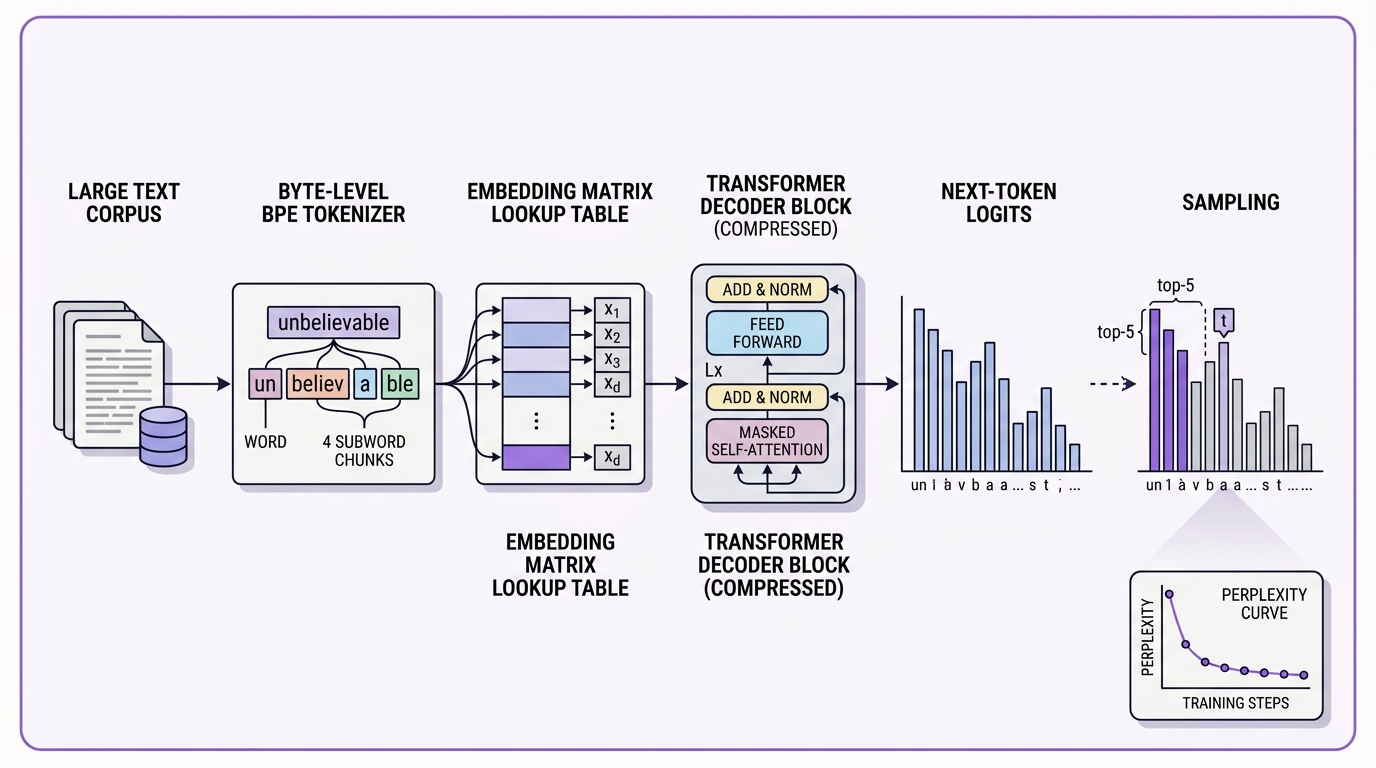
"Build Your Own GPT from Scratch" is an intensive course designed to empower students with the skills and knowledge required to understand and construct large language models (LLMs) from the ground up. This course dives deeply into the core concepts of language models, including pre-training, fine-tuning, and the emergent properties that arise as models scale. Through a series of lectures and practical coding exercises, students will explore fundamental processes such as tokenization, byte pair encoding, and attention mechanisms, all critical to building an efficient GPT model. Detailed lessons guide participants through creating word-based tokenizers, implementing self-attention from scratch, and understanding multi-head attention and feed-forward networks within the transformer architecture. The curriculum goes beyond theoretical concepts with hands-on experience using Google Colab for coding assignments and constructing production-level language models tailored for children's linguistic capabilities. The course also addresses technical challenges like loss function optimization and instruction and classification fine-tuning, ensuring learners can adapt large models for specific tasks such as spam detection. This program is ideal for aspiring AI professionals, machine learning enthusiasts, and researchers eager to deepen their expertise in natural language processing and model deployment. Active participation is encouraged through assignments and discussions on Discord, fostering a collaborative learning environment. With a blend of advanced theoretical insights and extensive coding practice, students will complete this course ready to innovate in the fields of AI and LLMs, meeting both industrial and academic demands.
Convolutional neural Networks Fundamentals
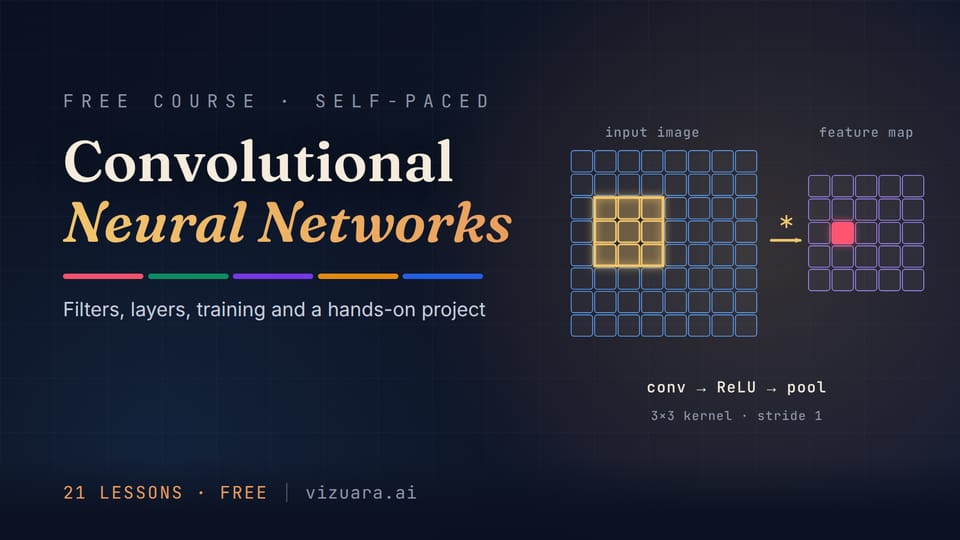
Convolutional neural networks are how computers see. Build one and train it to detect brain tumours in MRI scans. The course starts with the filter, the smallest idea in a CNN, and builds up to a full architecture and a working medical imaging project. What you will learn Filters in one and two dimensions and the convolution operation itself The two building blocks of a CNN: filtering layers and max-pooling layers How the layers stack into a complete CNN architecture How backpropagation flows through a convolutional layer A hands-on brain tumour classification application What is included 21 lessons with about 8 hours of video Complete project walkthrough Course end test Who it is for Learners who have finished a neural networks course and want their first computer vision model.
Foundations in AI and ML [Jan 2025 cohort archive]
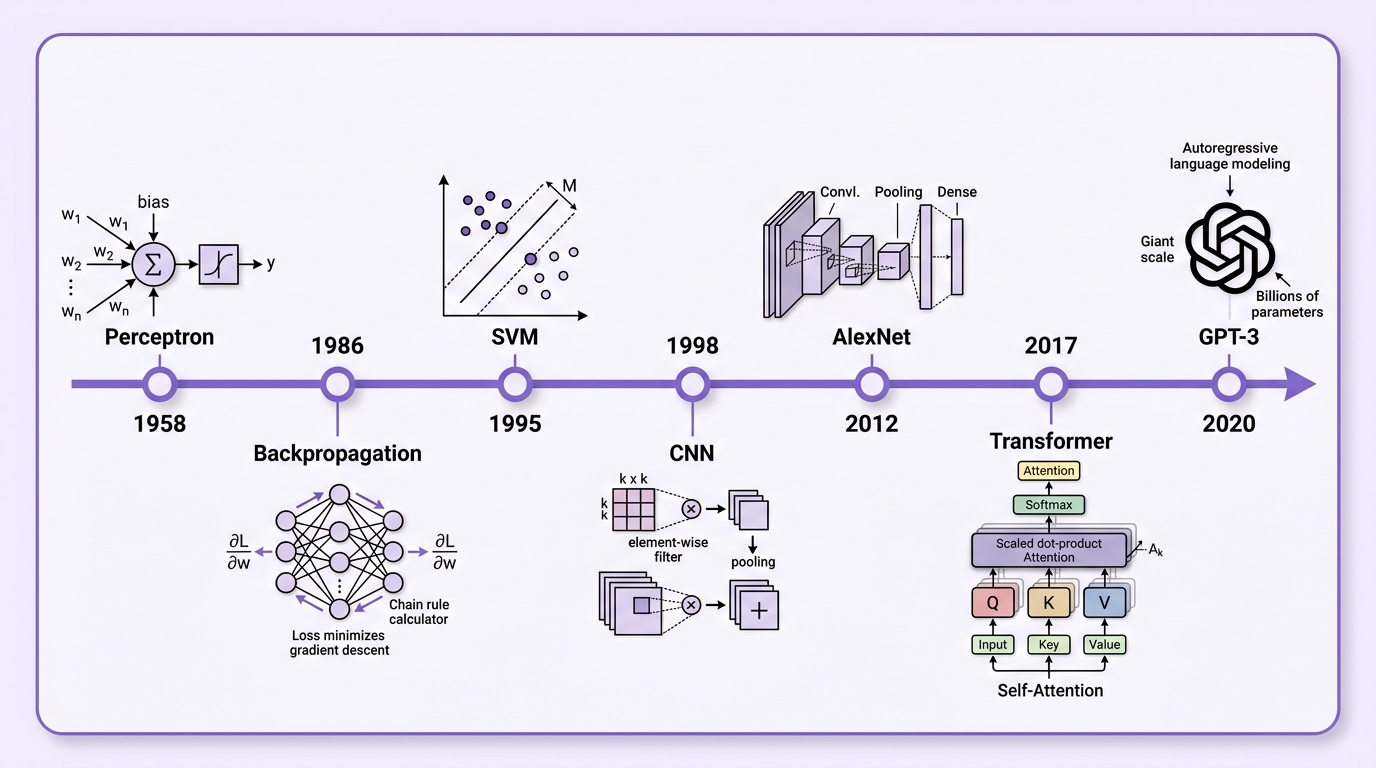
The "Foundations in AI and ML" course is designed to provide a comprehensive introduction to the essential concepts in artificial intelligence and machine learning, tailored for a live learning experience. Scheduled to run from January 25, 2025, this course is structured over weekends with interactive lectures conducted through Zoom, ensuring a thorough understanding of the topics covered. The course emphasizes active participation, with attendance being mandatory for eligibility for certification. It caters to students who have access to a computer, as mobile devices are discouraged for effective learning. Coding exercises are incorporated using Google Colab, negating the need for pre-installed software. A strong emphasis on note-taking is advocated, with tools like Wacom tablets and Miro recommended for digital note-taking, enhancing the learning process. The course includes various forms of assignments—team-based in-lecture problems, weekly take-home exercises, and unique teaching assignments where students create a video presentation of learned concepts. Notable topics include the exploration of linear algebra concepts such as the geometric intuition of eigenvalues, eigenvectors, and the dot product as a linear transformation, along with calculus foundations essential for machine learning. Supplementary resources include lecture recordings and assignment documents accessible post-lecture, allowing students to catch up on missed sessions. This course is ideal for beginners and anyone looking to solidify their foundational knowledge in AI and ML with a hands-on, interactive approach.
Generative AI Fundamentals [Jan 2025 cohort archive]
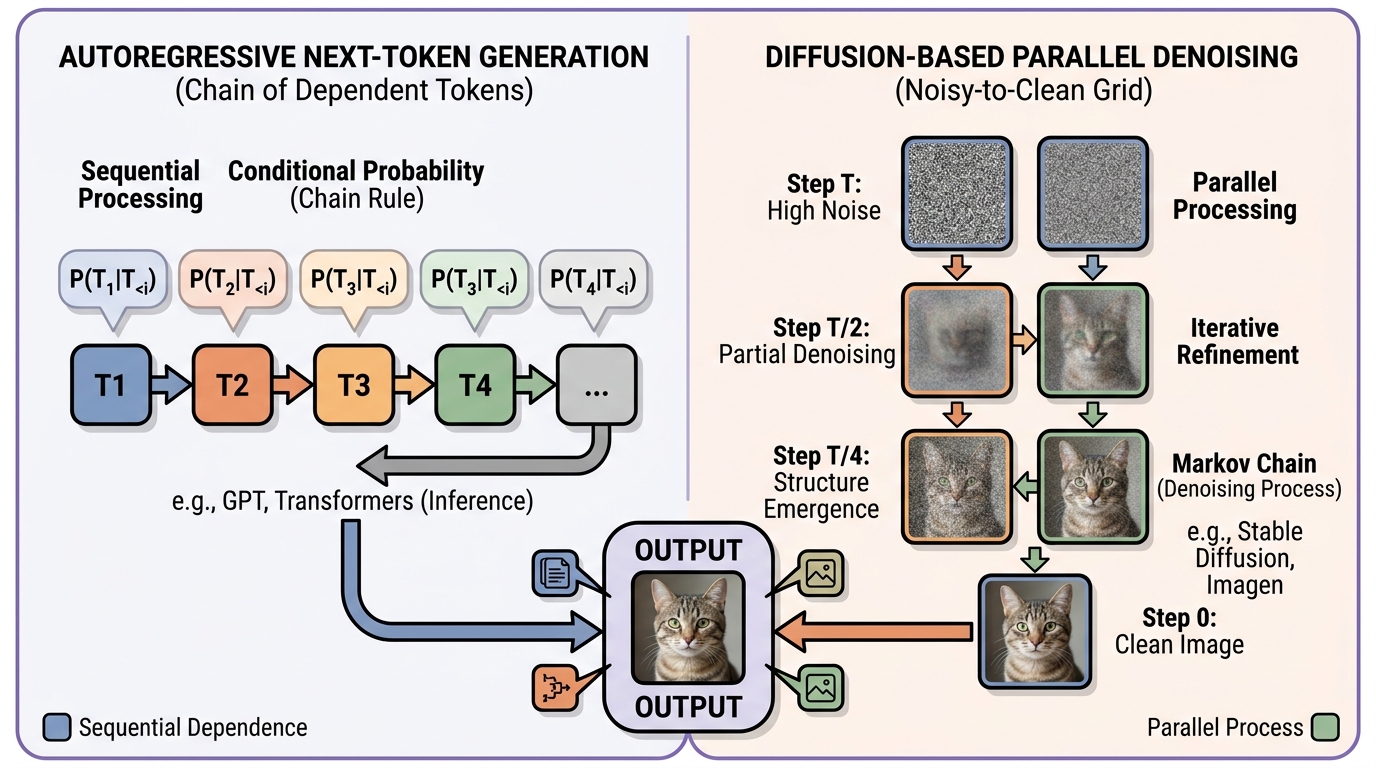
Generative AI Fundamentals is a comprehensive course designed for individuals looking to explore the evolving domain of generative artificial intelligence. Throughout this intensive course, students will embark on an educational journey covering the foundational and advanced aspects of generative AI technologies, including Recurrent Neural Networks (RNNs), Long Short-Term Memory (LSTM) networks, Generative Adversarial Networks (GANs), transformers, and diffusion models. The early lessons set the stage with an introduction to generative AI and its historical context, before diving deep into the specifics of building and coding RNNs from scratch. Students then engage with LSTMs for tasks like language translation and text generation, explore the emerging field of GANs for image generation with detailed coding exercises using the CIFAR-10 dataset, and unravel the complexities of transformers for text generation. The course culminates with cutting-edge diffusion models, examining their application in image and text generation, and concludes with a study of stable diffusion. With a practical approach, including coding exercises on Google Colab, students will gain hands-on experience in model building and implementation, making the course ideal for AI enthusiasts, developers, and data scientists eager to apply generative AI concepts in various industrial contexts. The course supports live lectures through Zoom, interactive Q&A sessions via Discord, and requires active engagement through team-based in-lecture assignments and individual take-home projects. Students are encouraged to leverage digital note-taking tools and contribute to the learning community by teaching learned concepts, ensuring a holistic and in-depth understanding of generative AI.
Hands-on Computer Vision Bootcamp [PRO]
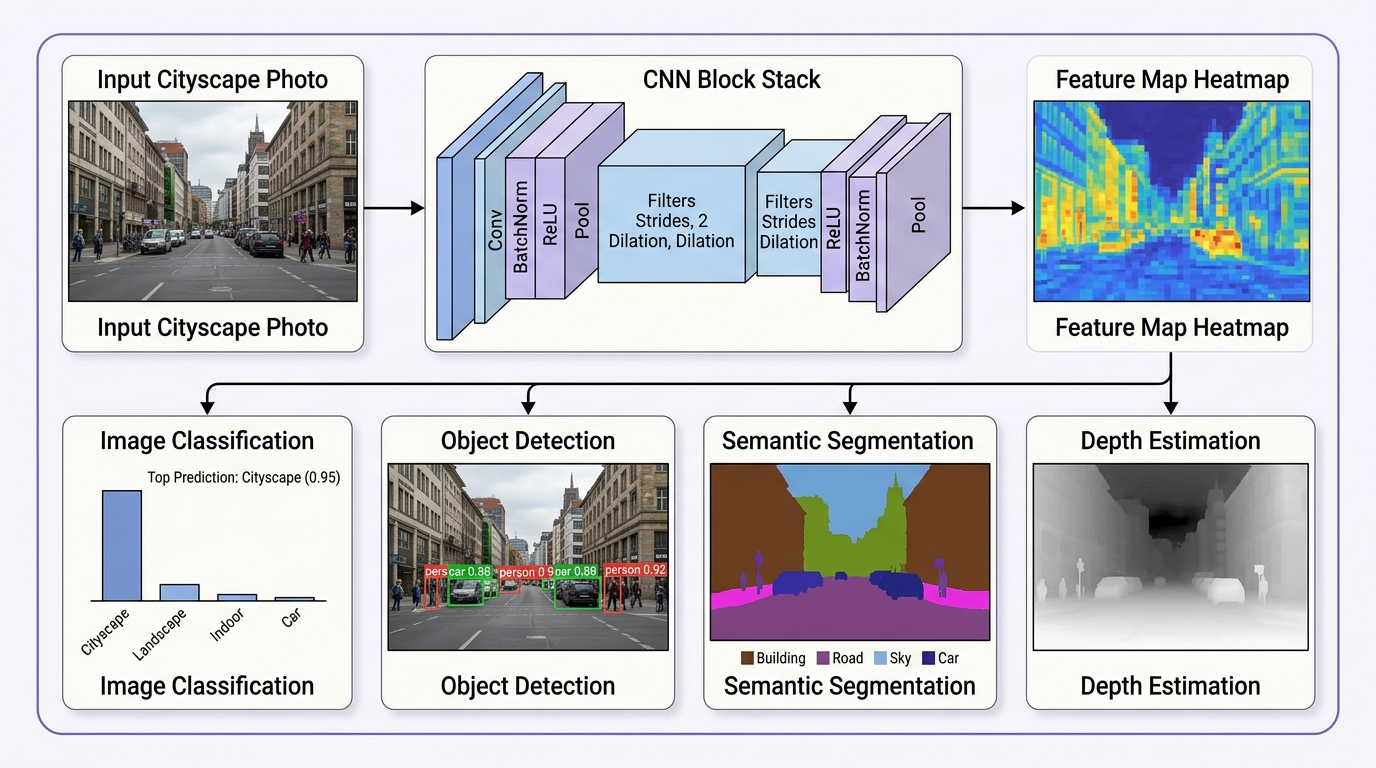
The "Hands-on Computer Vision Bootcamp [PRO]" offers an immersive experience into the world of computer vision, ideal for learners seeking to apply theory to real-world applications. The course begins with an introduction to computer vision through practical implementations using OpenCV and progresses to more advanced topics like object detection and tracking using YOLO and RCNN architectures. Students will explore the robust capabilities of YOLO models for real-time analysis and image segmentation techniques using R-CNN variations such as Mask R-CNN, learning to differentiate between methods like semantic and instance segmentation. Practical tools like Roboflow and Streamlit are introduced for building and deploying end-to-end computer vision applications, enhanced by hands-on projects such as creating a fall detection system for elderly care. The curriculum is rounded out with an exploration of modern architectures like U-Net for image segmentation tasks and generative AI applications. This bootcamp, suitable for those with a foundational understanding of computer vision, prepares students to execute advanced tasks and implement models effectively in various domains, providing the necessary resources, including collaborative coding files, datasets, and guided community engagement through Discord and GitHub. The course's thorough, practice-oriented approach ensures that participants not only understand the theoretical underpinnings of computer vision but are also proficient in deploying practical solutions.
Hands-on Reinforcement Learning Bootcamp [Pro]
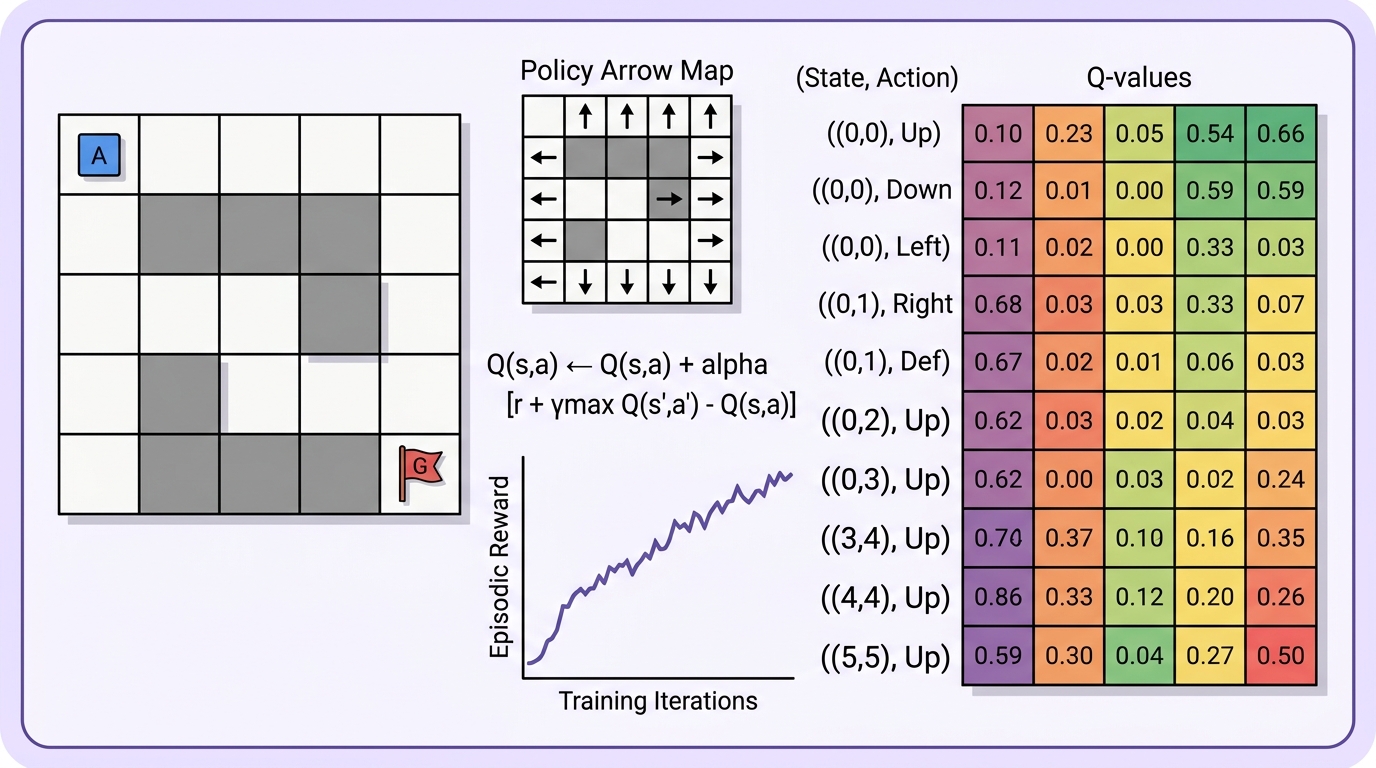
The Hands-on Reinforcement Learning Bootcamp [Pro] is an intensive and practical course designed to deepen understanding and application of reinforcement learning (RL) techniques, ideal for practitioners and enthusiasts eager to advance in AI and machine learning. The course starts with foundational concepts of RL using OpenAI Gymnasium, delving into the dynamics of action and state interactions. Students will explore classical RL algorithms, such as dynamic programming and temporal difference methods, emphasizing their implementation in solving prediction and control problems. The curriculum advances into modern techniques, including deep Q-networks (DQN) for building Atari agents, and policy gradient methods applied to large language models, showcasing algorithms like REINFORCE and its variations. A significant portion is dedicated to Reinforcement Learning with Human Feedback (RLHF) and its integration with Proximal Policy Optimization (PPO) for tasks such as summarizing content and refining language models. The innovative approaches continue with Group Relative Policy Optimization (GRPO), focusing on improving reasoning capabilities and the agentic aspect of RL in language models. Practical projects, such as teaching a model to reason on medical datasets and transforming tiny stories' sentiment, not only build technical skills but also promote the application of RL in diverse, real-world scenarios. Complete with collaborative tools like Colab notebooks, a supportive Discord community, and resources from a GitHub repository, this bootcamp offers comprehensive, hands-on learning for those seeking to specialize in advanced reinforcement learning applications.
LLM Finetuning Workshop
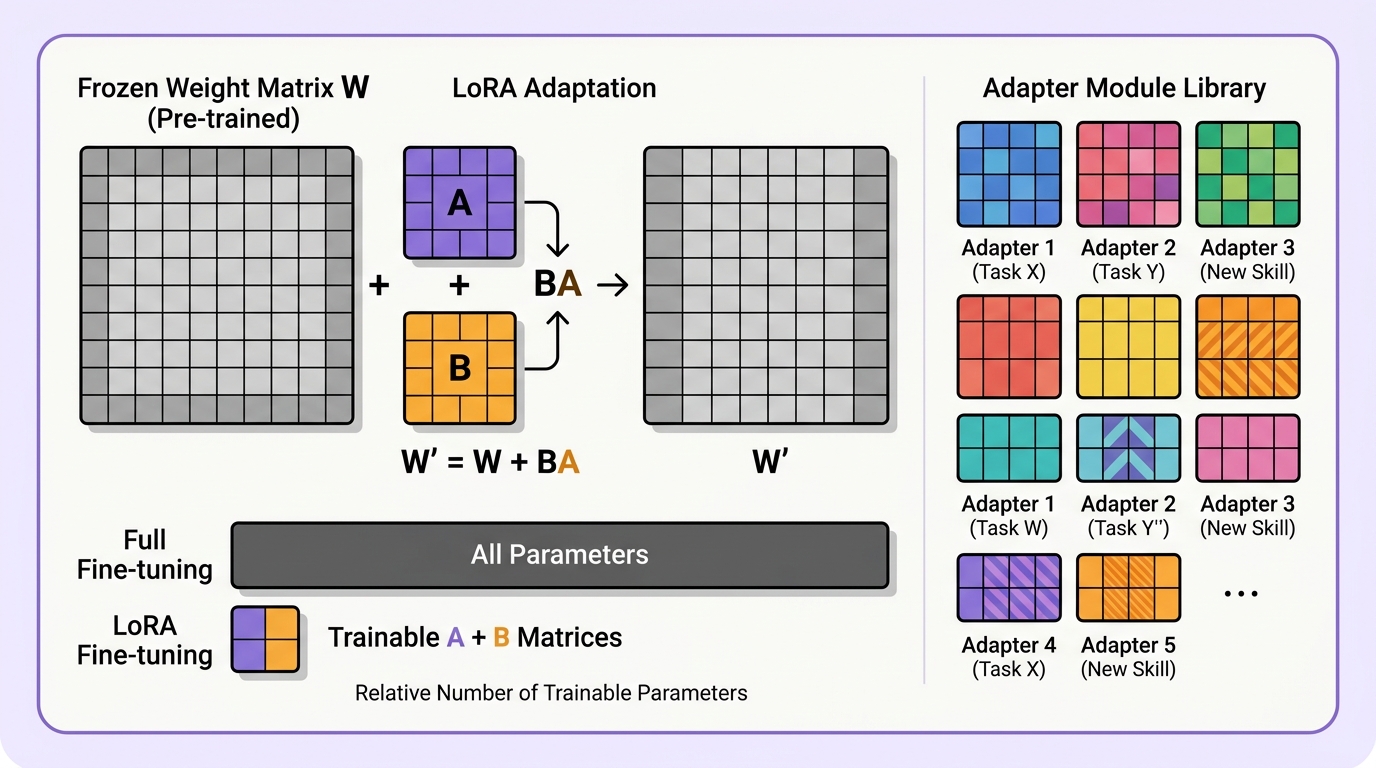
The "LLM Finetuning Workshop" is an intensive course designed for individuals and small companies looking to deepen their understanding of fine-tuning large language models (LLMs) for specific tasks. Throughout the workshop, participants will explore the concept of instruction fine-tuning, learning how to transform pre-trained models into tools that excel in context-specific situations. The course begins with a comparison of the benefits and drawbacks of fine-tuning versus retrieval-augmented generation (RAG), illustrating the intrinsic dimensionality involved in 'rewiring' a model's capabilities. Participants will then gain hands-on experience building an instruction fine-tuned model from scratch, with a particular focus on the efficiency of fine-tuning over resource-intensive pre-training processes. Subsequent lessons cover the use of Hugging Face and Unsloth libraries to adapt model architectures and the application of parameter-efficient techniques like LoRA to optimize and reduce computational costs. Additionally, attendees will delve into cutting-edge projects such as subliminal learning and RAFT, offering insights into latent preference transfers and retrieval-augmented fine-tuning, respectively. The workshop also provides essential resources, including code files and guides, to support participants in applying what they've learned. This course is ideal for those interested in advancing their skill set in AI model customization and application within various contexts.
Machine Learning and Deep Learning Mastery [Jan 2025 cohort archive]
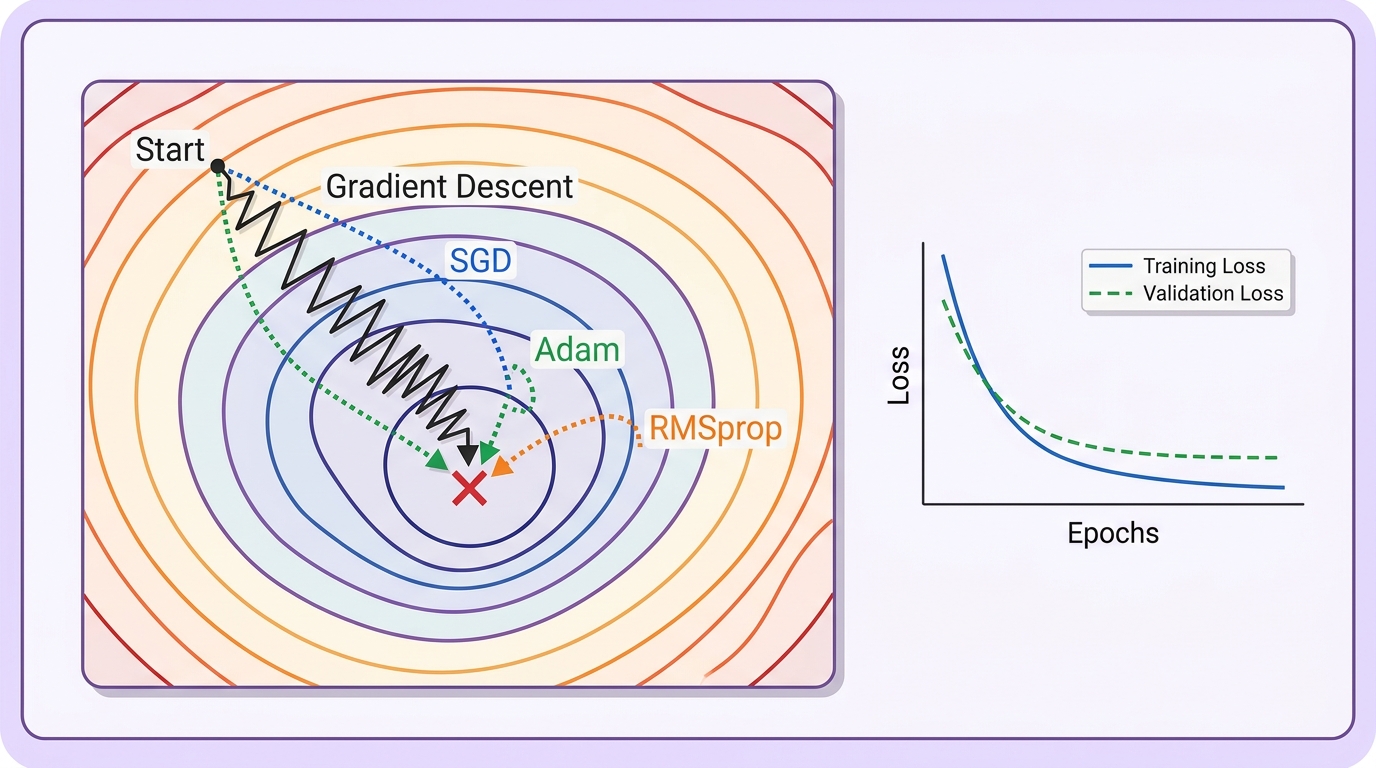
The "Machine Learning and Deep Learning Mastery [Jan 2025 cohort archive]" is an exhaustive course designed for individuals targeting a comprehensive understanding of machine learning and deep learning, suitable for beginners and experienced learners aiming to deepen their expertise. Through a series of meticulously structured lectures, the course imparts foundational knowledge such as regression models, types of machine learning, and linear classifiers, gradually progressing to more intricate topics like neural networks and optimization algorithms. The curriculum features theoretical and practical aspects, emphasizing the application of tools like Google Colab for hands-on learning. Learners gain insights into crucial concepts like regression theory, k-fold cross-validation for model evaluation, logistic regression, and advanced neural network techniques including backpropagation, regularization, and convolutional neural networks (CNNs). Additionally, the course covers practical skills such as feature encoding and the construction of decision trees. A unique feature involves exploring different methods for engaging with AI research papers, equipping students with skills to stay at the forefront of the field. This course is ideal for those who prefer structured learning environments with live lectures, assignments, and interactive components such as Discord for doubt resolution, facilitating a thorough grasp of machine learning and deep learning essentials.
Memory Workshop
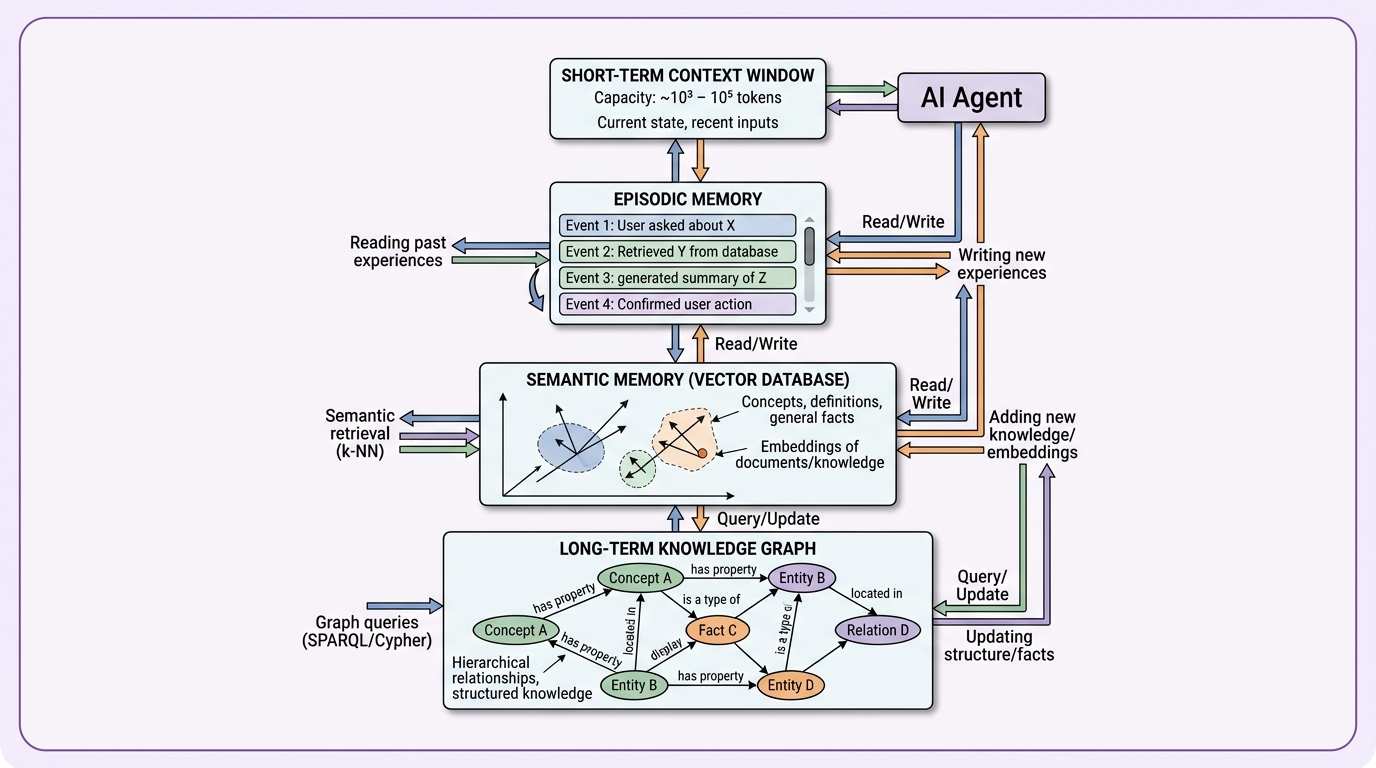
The Memory Workshop is an insightful course designed for developers and technologists keen on understanding the application of memory in language models. It begins by introducing the fundamental concept of memory in language models, with a focus on context engineering as a pivotal element in developing effective applications. Students will learn about various types of memory, including summary, episodic, buffer, and hybrid memory, which are critical in designing robust LLM systems. The course highlights the importance of making strategic decisions regarding prompts, knowledge, memory, and tools to optimize these systems. Additionally, practical learning is facilitated through Google Colab projects, where students will get hands-on experience coding memory layers from scratch and building a personalized AI education tutor using Mem0. Overall, this course caters to individuals looking to deepen their understanding of memory systems in AI and apply these concepts in real-world scenarios.
Production ready RAG workshop
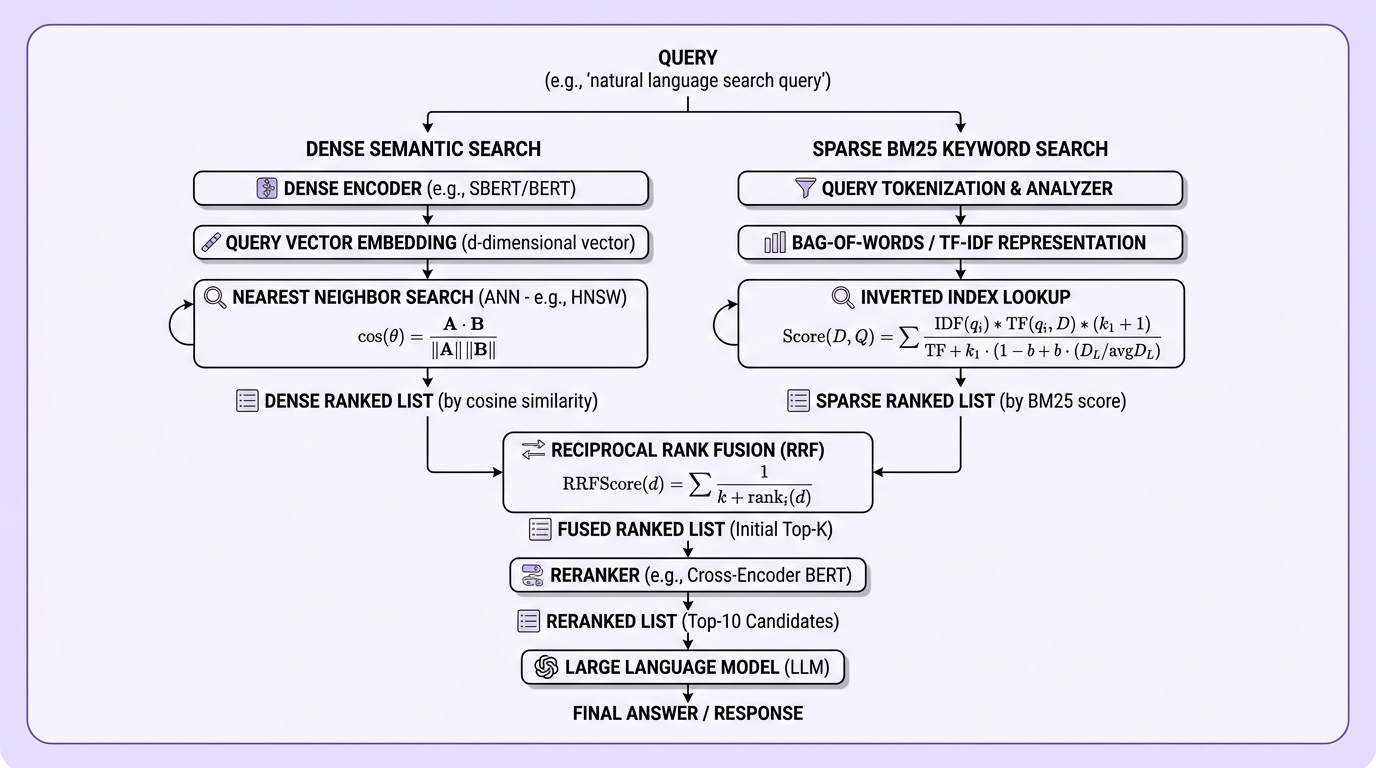
The "Production Ready RAG Workshop" is designed to equip participants with a robust understanding of retrieval-augmented generation (RAG) systems, offering both theoretical and practical components to prepare individuals for real-world applications. This course begins with a focus on document ingestion using PyMuPDF, teaching students how to extract and preprocess text from PDF files for subsequent data processing tasks. It then moves into a detailed exploration of RAG, including its evolution and industrial applications, as well as the engineering decisions involved in implementing RAG pipelines. Participants will gain hands-on experience through step-by-step Google Colab tutorials on various chunking strategies crucial for efficient RAG system implementation. By the end of the workshop, students will be equipped with the knowledge to build advanced RAG systems, exemplified by a case study on developing a nutritional chatbot grounded in a knowledge base. The workshop is ideal for data scientists, machine learning engineers, and professionals interested in enhancing their skills with cutting-edge RAG technologies for improved information retrieval and generation.
Scientific Machine Learning [Jan 2025 cohort archive]
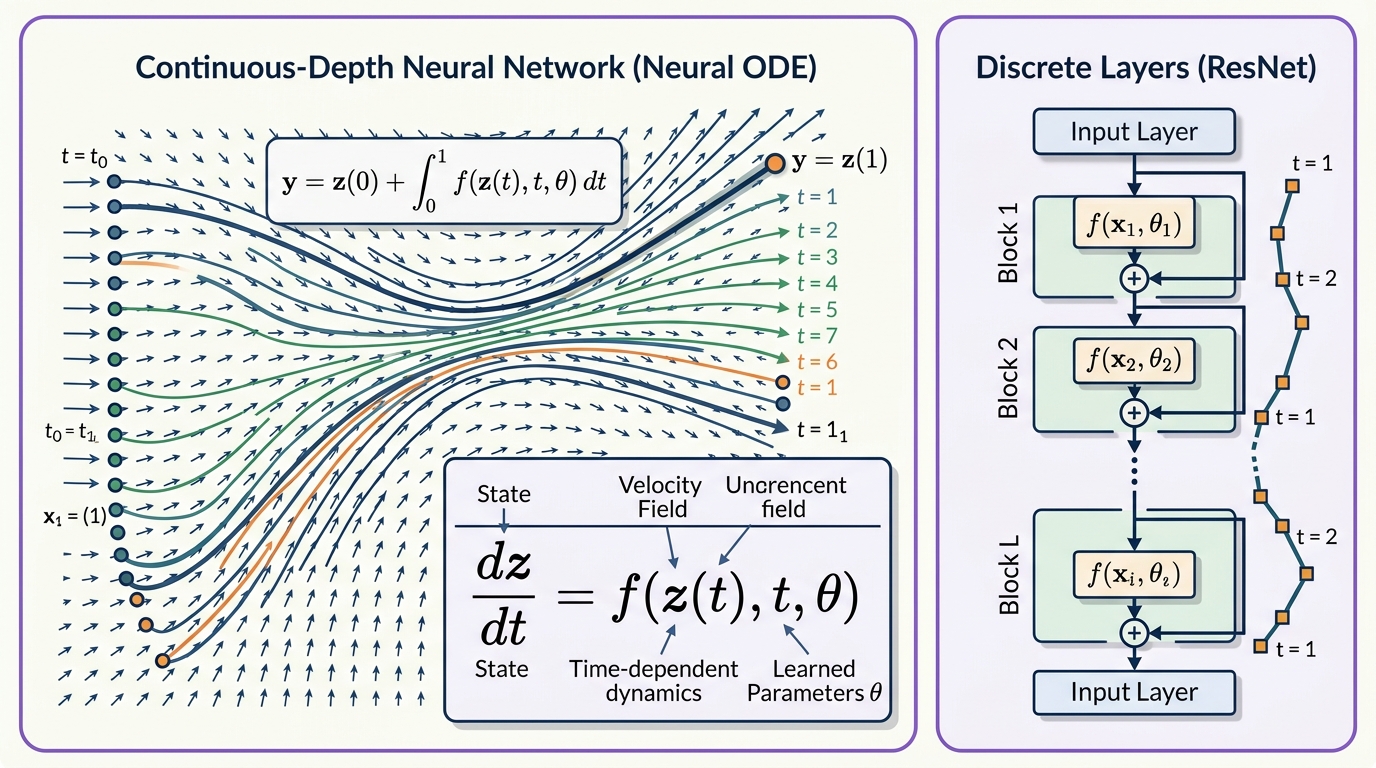
The "Scientific Machine Learning" course for the January 2025 cohort is a comprehensive exploration designed for learners interested in integrating mechanistic models with machine learning to tackle complex systems. The curriculum emphasizes real-time, interactive learning sessions split into two 1.5-hour lectures each week, primarily conducted over Zoom every Thursday and Friday evening in Indian Standard Time. This course is tailored for those committed to a structured learning environment, as attendance is mandatory for certification eligibility, complemented by access to recorded sessions for any missed classes. Participants will engage in various assignments, including in-lecture problem-solving, take-home tasks, and innovative teaching assignments where students reinforce their understanding by teaching concepts, inspired by the Feynman learning technique. Evaluations hinge on attendance rather than assignment completion, although assignments serve as pivotal learning tools. Students will primarily use Julia in the Jupyter Notebook environment for practical coding exercises. Emphasizing the importance of note-taking, the course recommends digital handwriting using tools like Wacom tablets and the Miro app to enhance learning efficacy. This course is ideally suited for students eager to delve into scientific machine learning methodologies while embracing both theoretical and practical applications.
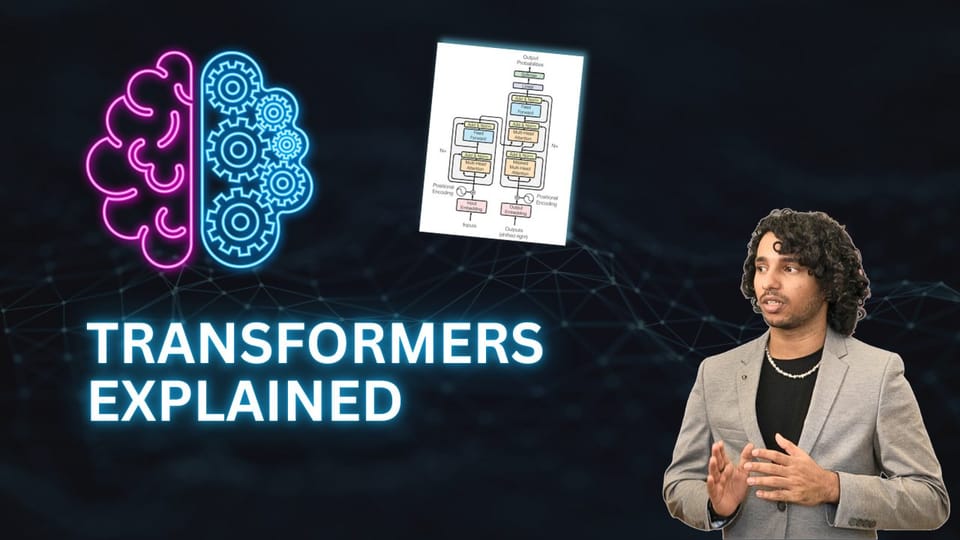
Transformers: Theory, intuition, and Building from Scratch
content
High School Student Courses
11 coursesRobotics [Grade 3]

Robotics (Class 5-8)

[GRADE 10] AI Pioneers: Building Foundations in AI, ML, and DL
Designed for high school beginners aged 15-16 Establishes strong foundations in AI, ML, and DL Entry-level course introducing concepts of AI and intelligence Highlights the importance of AI and the five senses of intelligence Explores different types of AI models and neural networks Hands-on lab projects for practical experience: Image classification Regression analysis Covers the AI project cycle and evaluation of AI models Introduces Natural Language Processing (NLP) and Computer Vision (CV) Projects include: Building their own chatbot Creating a Spotify song classifier Completion of the course earns a certificate from Vizuara AI Labs

[GRADE 1] AI Explorer

AI Masters: Advanced AI, Data Analysis & Neural Networks (Class 11-12)
Advanced course for high school students aged 16-17 Aims to deepen understanding of AI, data analysis, and neural networks Covers advanced topics such as: Intricacies of AI in everyday life Mathematical foundations for AI Detailed studies on types of AI models Ethics in AI AI storytelling Comprehensive lab projects for practical application: Creating mental health chatbots Detecting fake news Emphasizes hands-on learning with data visualization techniques and mastering neural networks Equips students with a profound understanding of AI's potential and challenges Certificates from Vizuara AI Labs awarded upon completion
AI Innovators: Beyond the Basics of AI and Machine Learning (Class 9)
AI High School Researcher Program: Research
AI High School Researcher Program: Foundation
AI High School Researcher Program: Complete

AI Explorers: Introduction to Artificial Intelligence (Class 5-8)
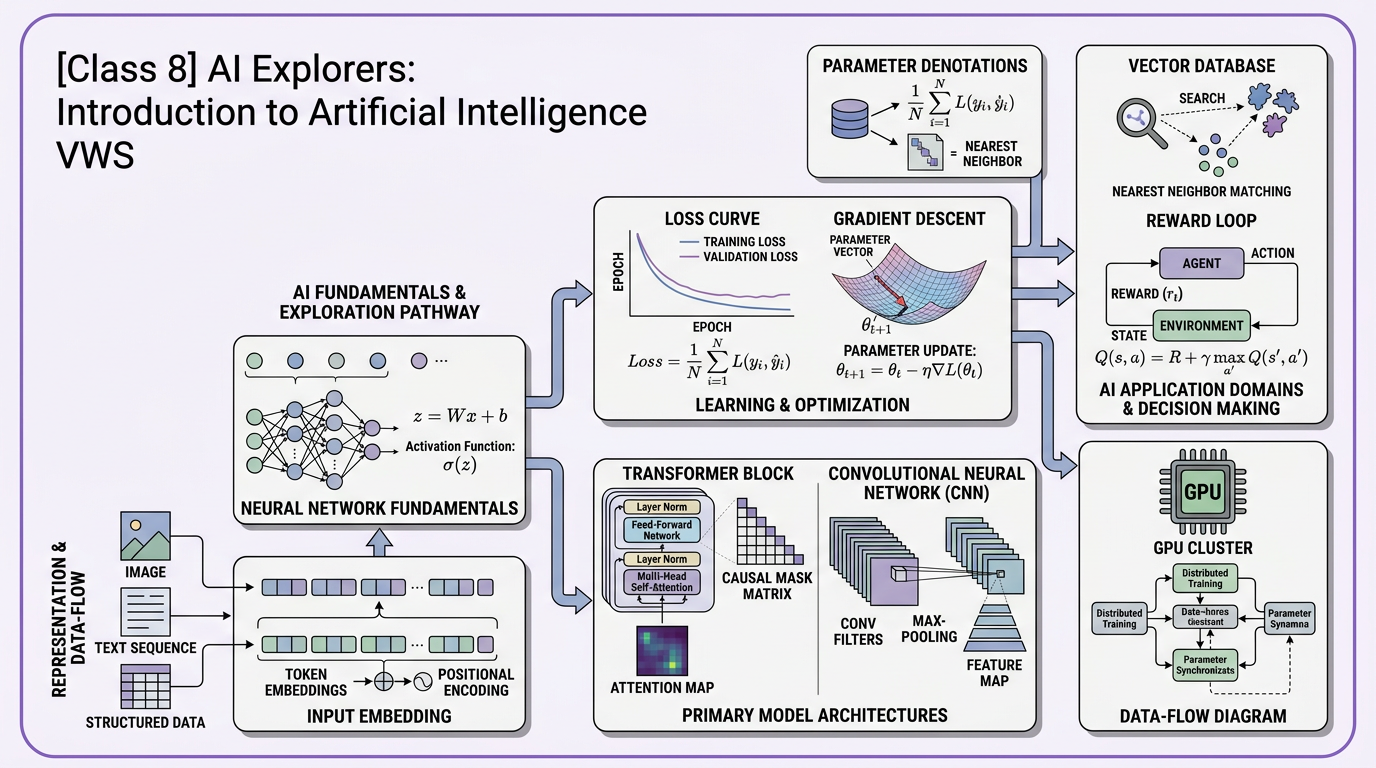
Designed specifically for middle school students aged 10-13 Engaging and interactive course format Covers the basics of AI, including definition and real-world applications Distinguishes between AI and non-AI machines Highlights the importance of AI in the modern world Introduction to ChatGPT and its capabilities Hands-on projects for practical learning: Image classification Voice recognition Introduction to machine intelligence, including how computers: See Listen Move Make decisions Exciting lab projects to apply learning: Bananometer Sleep Detector Focus on the ethical implications of AI Discusses AI's potential to contribute to global goals Completion of the course earns a certificate from Vizuara AI Labs

(Class 11-12) AI Masters: Advanced AI, Data Analysis & Neural Networks
Establishes strong foundations in AI, ML, and DL Entry-level course introducing concepts of AI and intelligence Highlights the importance of AI and the five senses of intelligence Explores different types of AI models and neural networks Hands-on lab projects for practical experience: Image classification Regression analysis Covers the AI project cycle and evaluation of AI models Introduces Natural Language Processing (NLP) and Computer Vision (CV) Projects include: Building their own chatbot Creating a Spotify song classifier Completion of the course earns a certificate from Vizuara AI Labs
More courses
168 courses
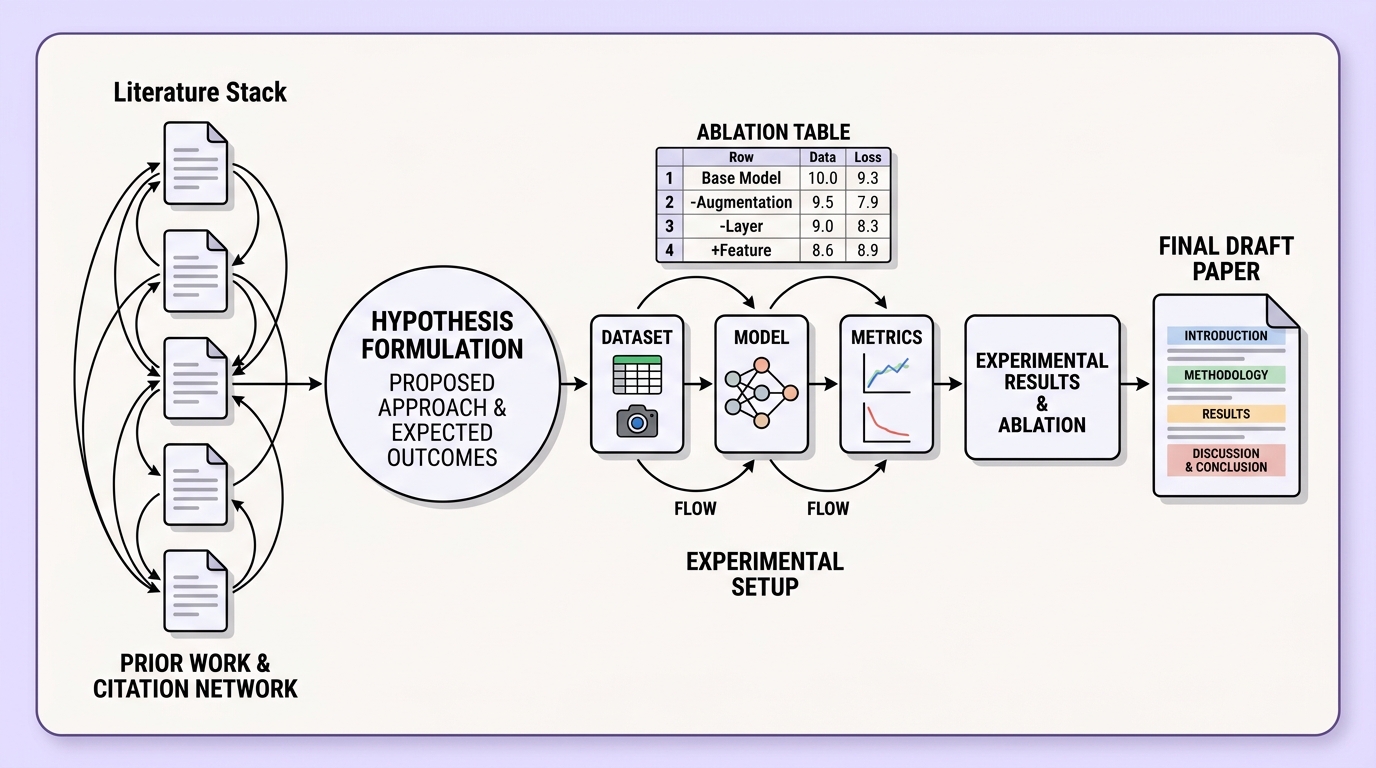
RL-CV Research Assisted Bootcamp
Vizuara's assisted research cohort for reinforcement learning and computer vision, mentored personally by Dr. Sreedath Panat (MIT PhD) and Dr. Rajat Dandekar (Purdue PhD). For two months, a Vizuara research team works on your paper with you: they draft the literature review, the methodology and the experiment plan, review your results and run experiments themselves. Topics start from papers accepted at NeurIPS, ICML, ICLR, ECCV, CoRL and RSS in the last year, in areas such as self-supervised RL, world models, vision-language-action models, Vision Transformers and JEPA. Entirely asynchronous, on the Vizuara Research Mentorship Portal. Batch 1 runs from 20 November 2026 to 20 January 2027. The goal is a manuscript ready for a venue whose paper deadline falls after the bootcamp. No venue's acceptance can be guaranteed; what you pay for is the research effort. Full details: https://rl-cv-research-bootcamp.vercel.app
Inference Research Assisted Bootcamp (Nov 2026 cohort)
Vizuara's first assisted research cohort, mentored personally by Dr. Raj Dandekar (MIT PhD). For two months, a Vizuara research team works on your paper with you: they draft the literature review, the methodology and the experiment plan, review your results and run experiments themselves. Entirely asynchronous, on the Vizuara Research Mentorship Portal. 1 November 2026 to 1 January 2027. The goal is a publication-ready manuscript for an OpenReview venue whose deadline falls after the bootcamp. No venue's acceptance can be guaranteed; what you pay for is the research effort. Full details: https://inference-research-bootcamp.vercel.app
Paid Course B
Paid Course B
Paid Course A
Paid Course A
AI Agents for Enterprises — 1:1 Research Mentorship
A three-month mentorship program pairing you with an experienced AI researcher for personalized, asynchronous guidance. Whether you're developing a research direction, building a pilot project, or working through technical challenges in enterprise AI agents, your mentor reviews your progress and provides tailored feedback and recommendations to help you move forward with confidence.
AI Agents for Enterprises — Research Starter Kit
A self-guided research package for anyone looking to explore enterprise AI agents on their own timeline. It includes a personalized research roadmap tailored to your goals, plus a starter scaffold of templates, reference implementations, and sample datasets, so you can begin building and experimenting with AI agents without having to set up the groundwork yourself.
AI Agents for Enterprises — Full Bootcamp
An 8-session, hands-on bootcamp that teaches professionals and teams how to connect AI to their company's documents, tools, and business processes. Through guided workflows and realistic problem-solving, participants work through LLM fundamentals, frameworks like LangGraph and Temporal, and knowledge retrieval and tool orchestration patterns, culminating in an enterprise capstone project. No prior coding experience required.
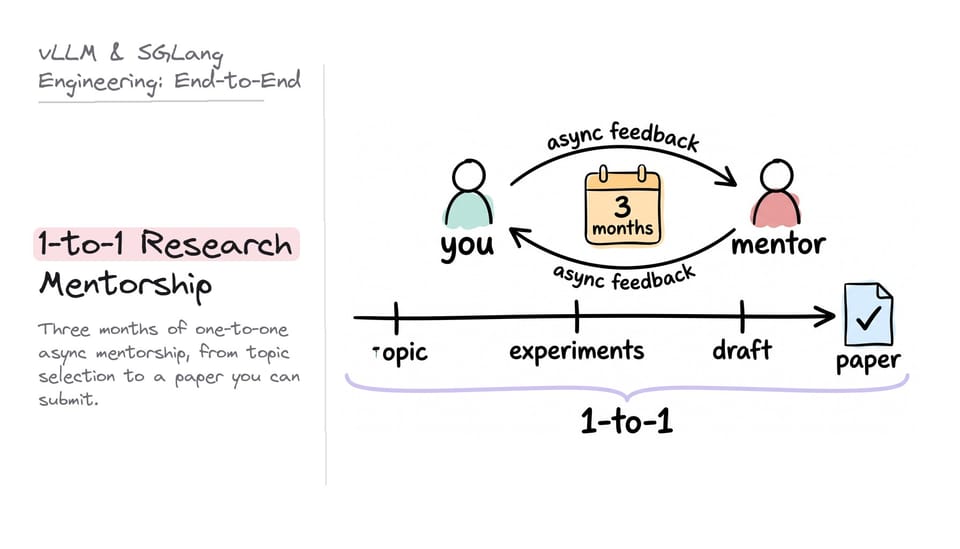
[vLLM & SGLang Engineering] 1-to-1 Research Mentorship
Three months of one-to-one, asynchronous research mentorship that takes you from topic selection to a paper you can submit. You work at your own pace and send your progress to your mentor; the mentor replies with detailed written feedback and concrete next steps at every stage. What the mentorship covers: - Choosing a research topic in LLM inference or serving systems that is feasible with your time and compute, and framing a clear research question. - Literature review guidance, including which papers to read and how to position your work against them. - Experiment and benchmark design: baselines, ablations, evaluation protocol, and how to interpret results. - Paper reading guidance with curated lists as your topic develops. - Feedback on drafts, figures, and writing, and help preparing a submission. Every exchange ends with actionable next steps and clear deliverables, so you always know what to do before the next check-in. Sold as an add-on to Foundations.
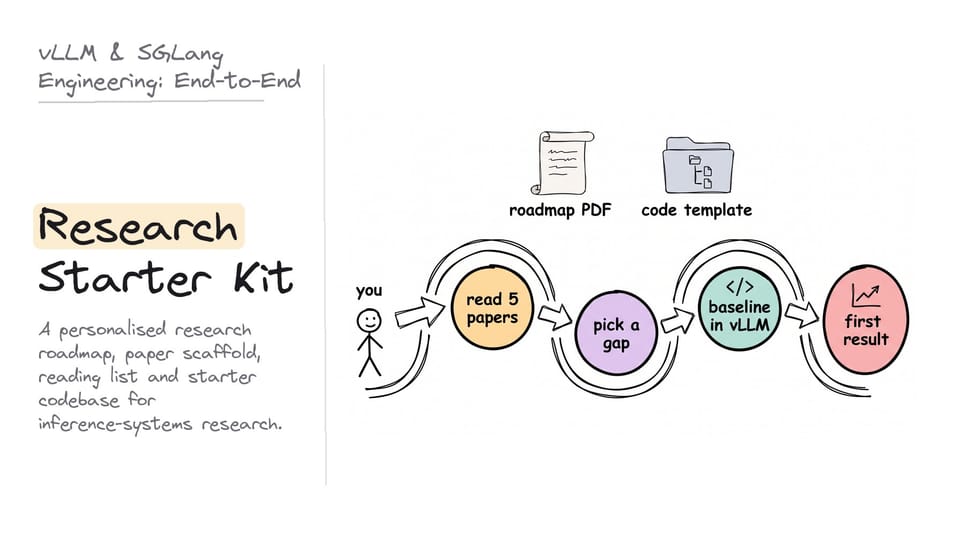
[vLLM & SGLang Engineering] Research Starter Kit
The Research Starter Kit turns the bootcamp into the start of a research project in LLM inference and serving systems. You tell us the topic you want to work on, and the mentor prepares a personalised set of materials so you never begin from a blank page. What you receive: - A personalised 8-week research roadmap (PDF) with milestones, deliverables, and acceptance criteria: literature scope, experiment matrix, benchmark design, and manuscript timeline. - An initial paper scaffold of 6 to 8 pages with the research questions framed, the method outlined, related work surveyed, and the experiment setup defined. - A curated reading list of 12 to 15 papers for your topic, with a reading order, key takeaways, and the connections between them, plus a literature matrix template. - A clean, documented starter codebase for an inference-systems research project: model loading, a serving harness for vLLM and SGLang, benchmark and trace collection, evaluation, and experiment config, ready to run on day one. This is a one-time deliverable, not an ongoing engagement. It is sold as an add-on to Foundations.
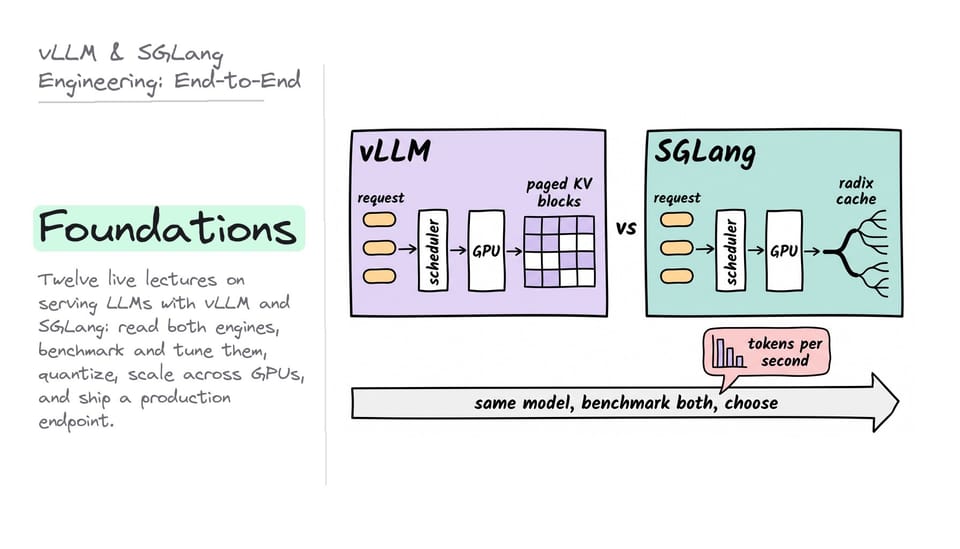
[vLLM & SGLang Engineering] Foundations
vLLM & SGLang Engineering: End-to-End is a twelve-lecture live bootcamp on serving large language models with the two leading open-source inference engines. Over six weeks, with two lectures a week and two hours per lecture, you read both engines and trace a request through each, build an OpenAI-compatible server on vLLM and an SGLang program with structured outputs and LoRA adapters, benchmark both with one harness, tune vLLM's scheduler and KV cache manager and SGLang's radix cache and overlap scheduler against a latency target, quantize a model to FP8 and INT4 and measure what changed on each engine, scale across GPUs with tensor, pipeline, data and expert parallelism, add speculative decoding and disaggregated prefill, and finish by deploying a production endpoint on Kubernetes with a cache-aware router, metrics, autoscaling and a cost model. The inference fundamentals (prefill and decode, the KV cache, batching, quantization basics, parallelism basics, the idea of speculative decoding) are covered in self-paced videos you watch before week 1, so every live hour is spent inside the two engines. You work in one repository that grows across the lectures: the benchmark harness from lecture 5 measures every change you make after it, on both engines. The capstone serves one model on vLLM and on SGLang, benchmarks both, and defends the choice. Notes, slides, notebooks, cloud GPU scripts, assignments and quizzes are included. Sessions are live on Zoom and recorded; you keep lifetime access to the recordings, code and notes, and receive a certificate on completion. Suitable for engineers who serve, or will serve, open-weight models and are comfortable with Python, the command line and a GPU.
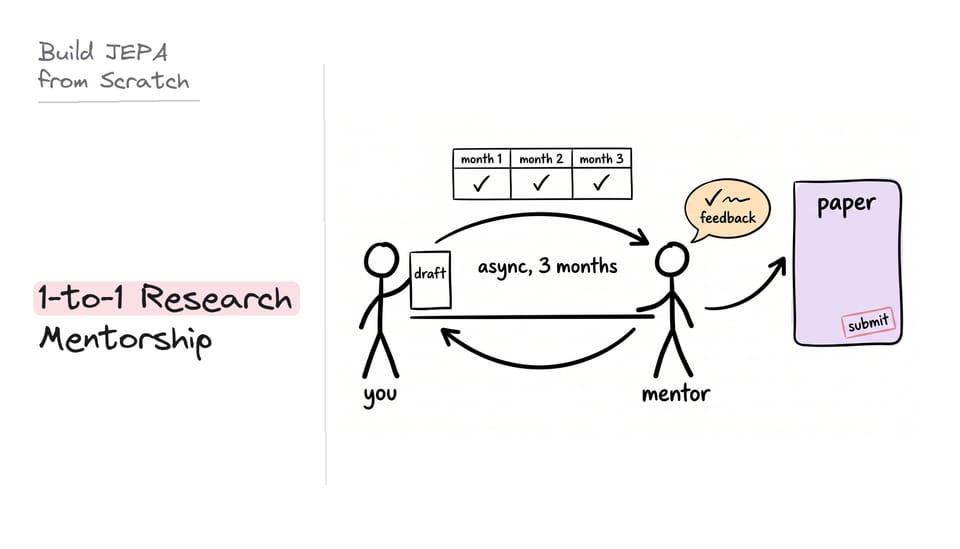
[Build JEPA from Scratch] 1-to-1 Research Mentorship
Three months of one-to-one, asynchronous research mentorship that takes you from topic selection to a paper you can submit. You work at your own pace and send your progress to your mentor; the mentor replies with detailed written feedback and concrete next steps at every stage. What the mentorship covers: Choosing a research topic that is feasible with your time and compute, and framing a clear research question. Literature review guidance, including which papers to read and how to position your work against them. Experiment design: baselines, ablations, evaluation protocol, and how to interpret results. Paper reading guidance with curated lists as your topic develops. Feedback on drafts, figures, and writing, and help preparing a submission. Every exchange ends with actionable next steps and clear deliverables, so you always know what to do before the next check-in. Sold as an add-on to Foundations.
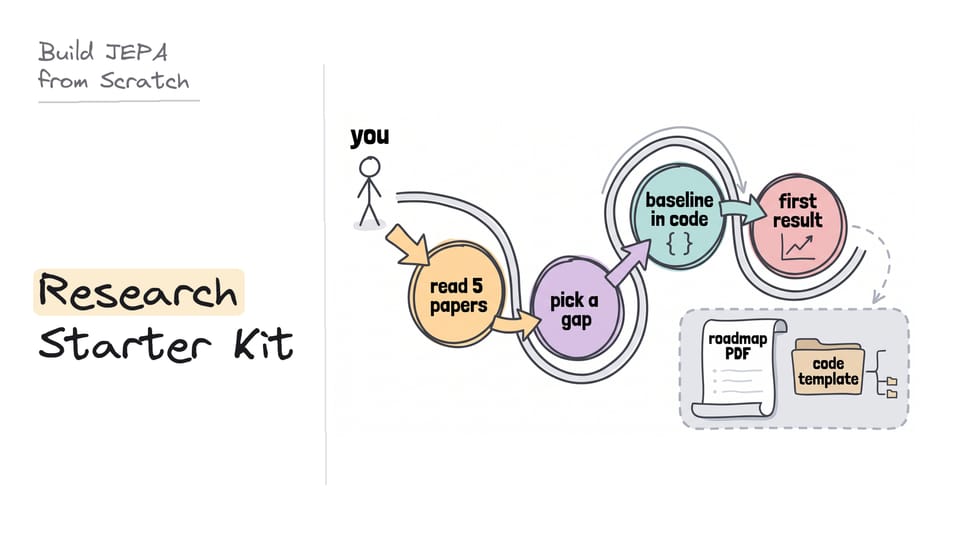
[Build JEPA from Scratch] Research Starter Kit
The Research Starter Kit turns the bootcamp into the start of a research project. You tell us the topic you want to work on within JEPA or self-supervised learning, and the mentor prepares a personalised set of materials so you never begin from a blank page. What you receive: A personalised 8-week research roadmap (PDF) with milestones, deliverables, and acceptance criteria: literature scope, training pipeline, experiment matrix, and manuscript timeline. An initial paper scaffold of 6 to 8 pages with the research questions framed, the method outlined, related work surveyed, and the experiment setup defined. A curated reading list of 12 to 15 papers for your topic, with a reading order, key takeaways, and the connections between them, plus a literature matrix template. A clean, documented starter codebase for a JEPA research project: data loading, masking, encoder and predictor, training loop, evaluation, and experiment config, ready to run on day one. This is a one-time deliverable, not an ongoing engagement. It is sold as an add-on to Foundations.
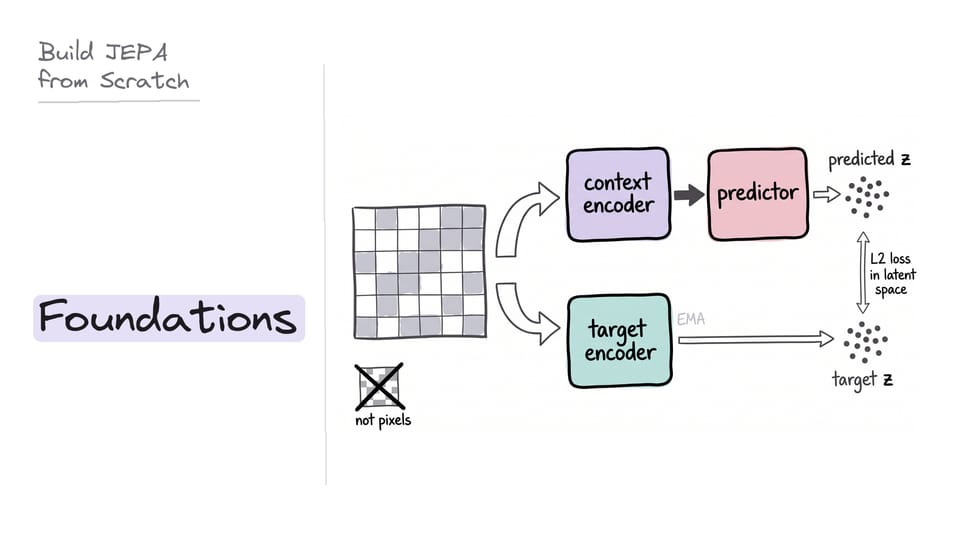
[Build JEPA from Scratch] Foundations
Build JEPA from Scratch is an eight-lecture live bootcamp on self-supervised learning in latent space. Over four weeks, with two lectures a week and two hours per lecture, you write a working Joint-Embedding Predictive Architecture yourself: the Vision Transformer encoder, the multi-block masking, the context and EMA target encoders, and the predictor, and then you train it on real GPUs, probe what it learned, extend it to video (V-JEPA), and finish with an action-conditioned predictor that plans in latent space. Every lecture pairs theory with a build that exercises the same idea. The theory is taught properly: why latent prediction beats pixel reconstruction, why representations collapse and what EMA and predictor asymmetry do about it, the energy-based view of JEPA, and how to evaluate a representation honestly with linear probes and kNN. Each lecture also includes one deliberate failure so you learn to recognise the problem before it costs you a training run. You work in one codebase that grows across all eight lectures (around 600 to 900 lines in total, added a piece at a time). A skeleton repository with shape tests, pre-trained checkpoints at every stage, hand-written notes and slides, notebooks, Modal training scripts, assignments, and quizzes are included. Sessions are live on Zoom and recorded; you keep lifetime access to the recordings, code, and notes, and receive a certificate on completion. Total GPU spend for the whole course stays under $100. Suitable for anyone comfortable with Python and PyTorch who wants to understand and build modern self-supervised learning systems rather than only read about them.
Post GitHub CI setup payment test
Post GitHub CI setup payment test
Test Course Payment Post Outage
Test Course Payment Post Outage

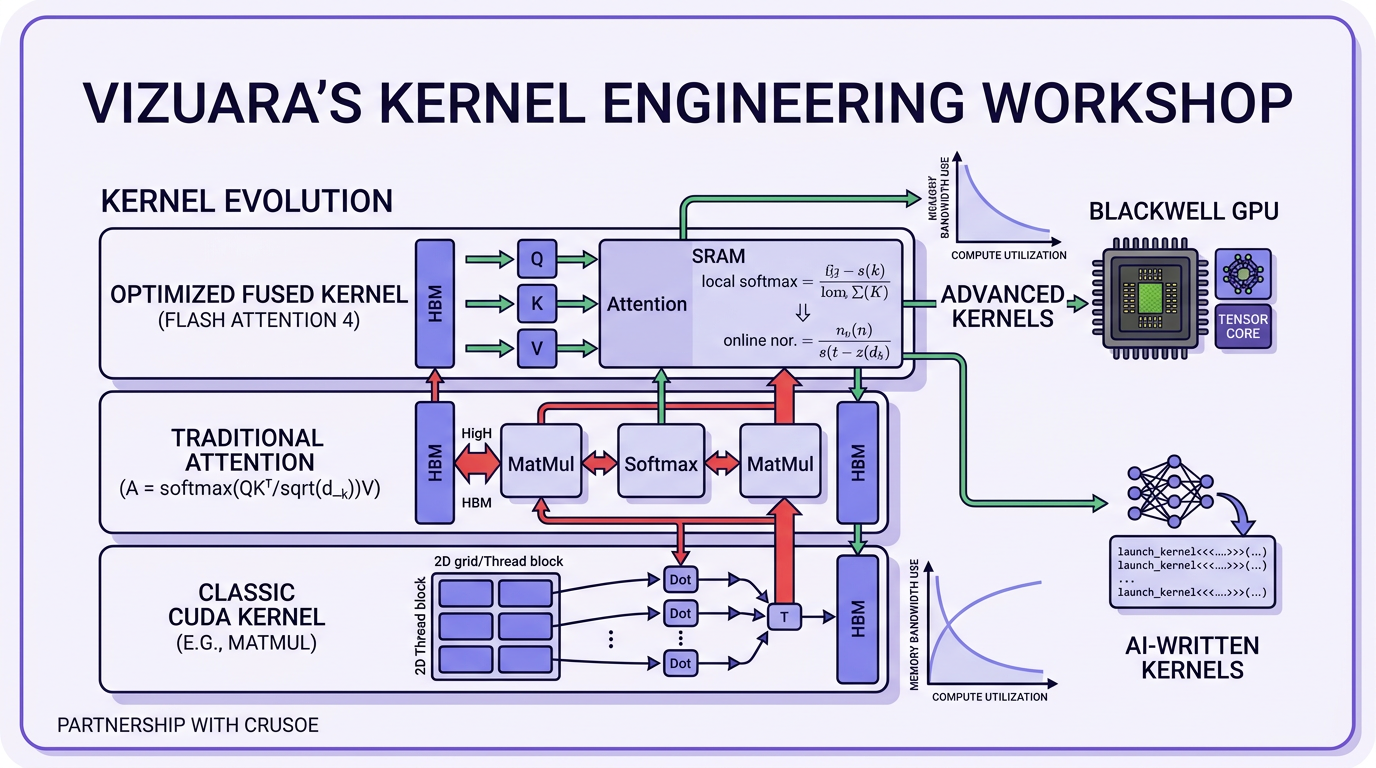
Vizuara's Kernel Engineering Workshop
Vizuara's Kernel Engineering Workshop. The third and final chapter of Vizuara's GPU trilogy, after 5D Parallelism and the Inference Engineering Workshop, running in partnership with Crusoe (a guest lecture during the cohort, and capstone project ideas from the Crusoe team). 25 live sessions, Monday · Wednesday · Friday, 7:00–9:00 AM, from October 12 to December 7, 2026 . Price: $3,000 (₹2,89,000). This launch price is valid July 22 – September 25, 2026 . After August 15 the price rises by 10%. Everything included: full access to Vizuara's Kernel Engineering Book (unlocked at registration), the Kernel Engineering Capstone Projects, the Kernel Engineering Interview Preparation website, all code files and session recordings, and as a bonus, one month of Vizz-AI and Vizuara AI Pods access. From the CPU up to Flash Attention 4, Blackwell, and AI-written kernels — every concept lecture is paired with a live-coding session, and the curriculum assumes nothing beyond Python and basic PyTorch.
LLM Capstone Project [July 2026]
LLM Capstone Project [July 2026]
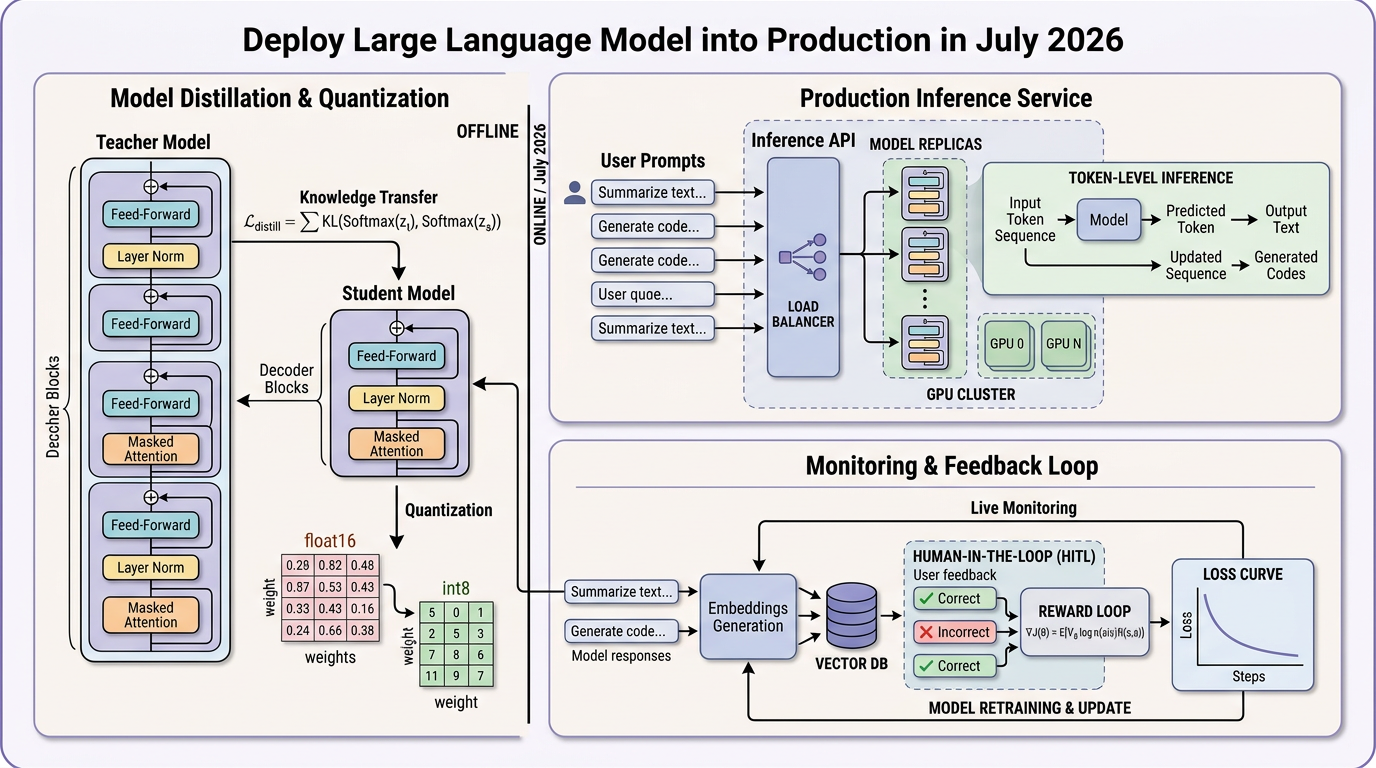
LLMs: Deployment in Production [July 2026]
LLMs: Deployment in Production [July 2026]
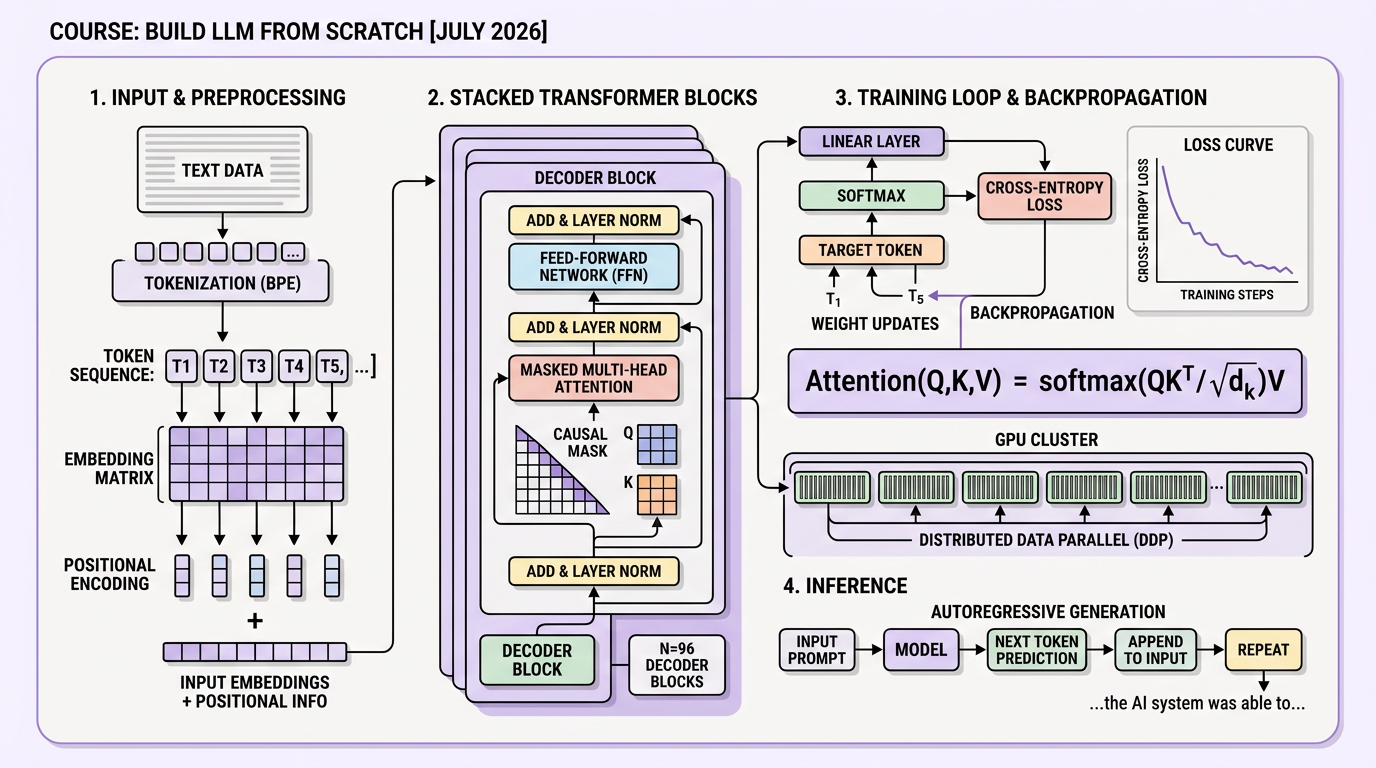
Build LLM from scratch [July 2026]
Build LLM from scratch [July 2026]
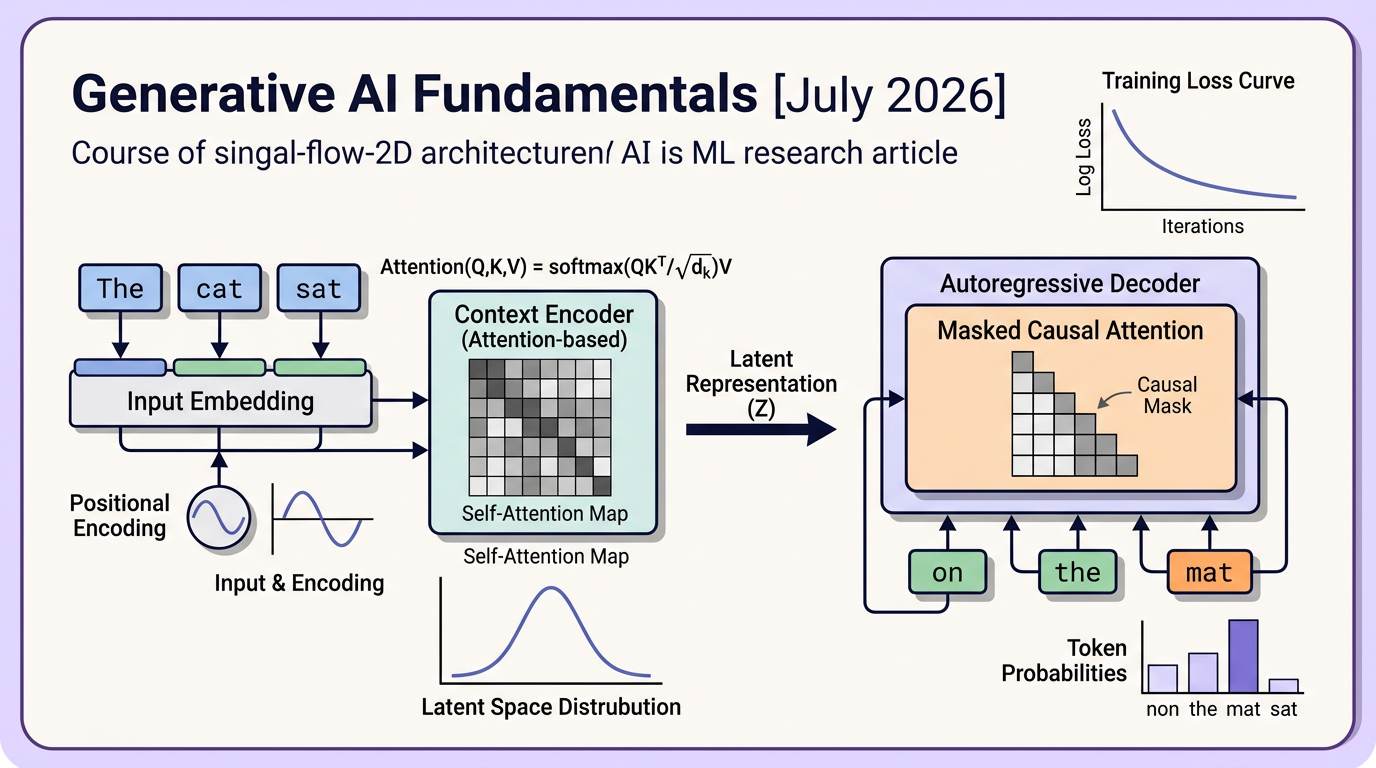
Generative AI Fundamentals [July 2026]
Generative AI Fundamentals [July 2026]
ML-DL Capstone Project [July 2026]
ML-DL Capstone Project [July 2026]
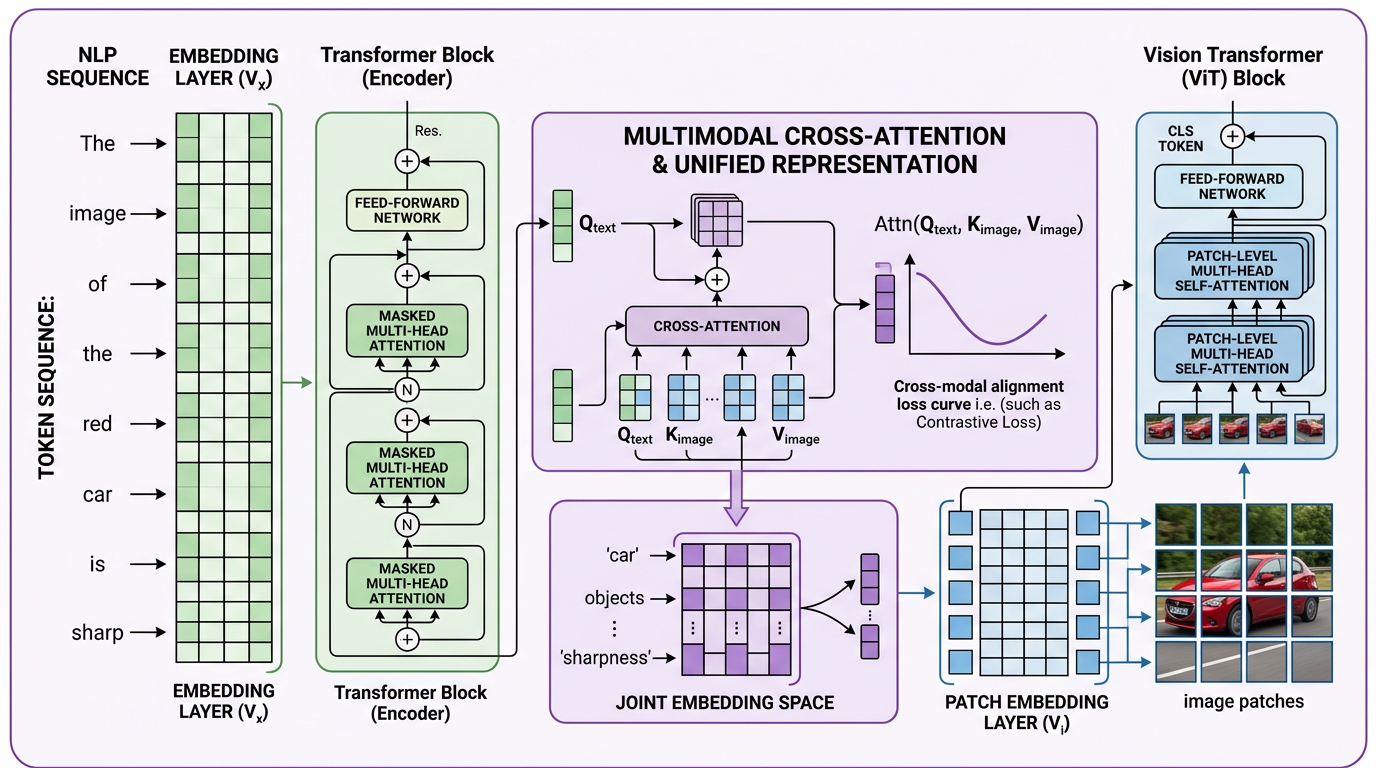
NLP and Computer Vision Mastery [July 2026]
NLP and Computer Vision Mastery [July 2026]
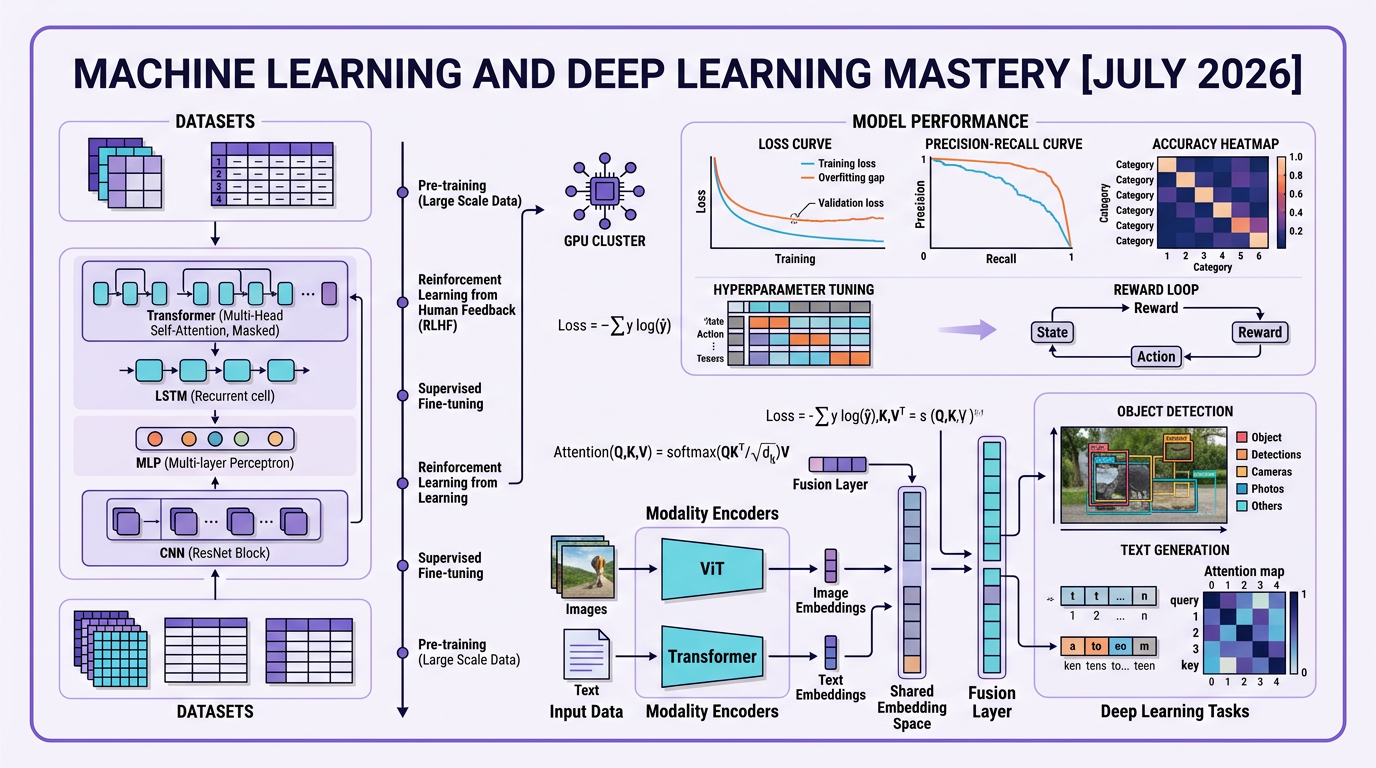
Machine Learning and Deep Learning Mastery [July 2026]
Machine Learning and Deep Learning Mastery [July 2026]
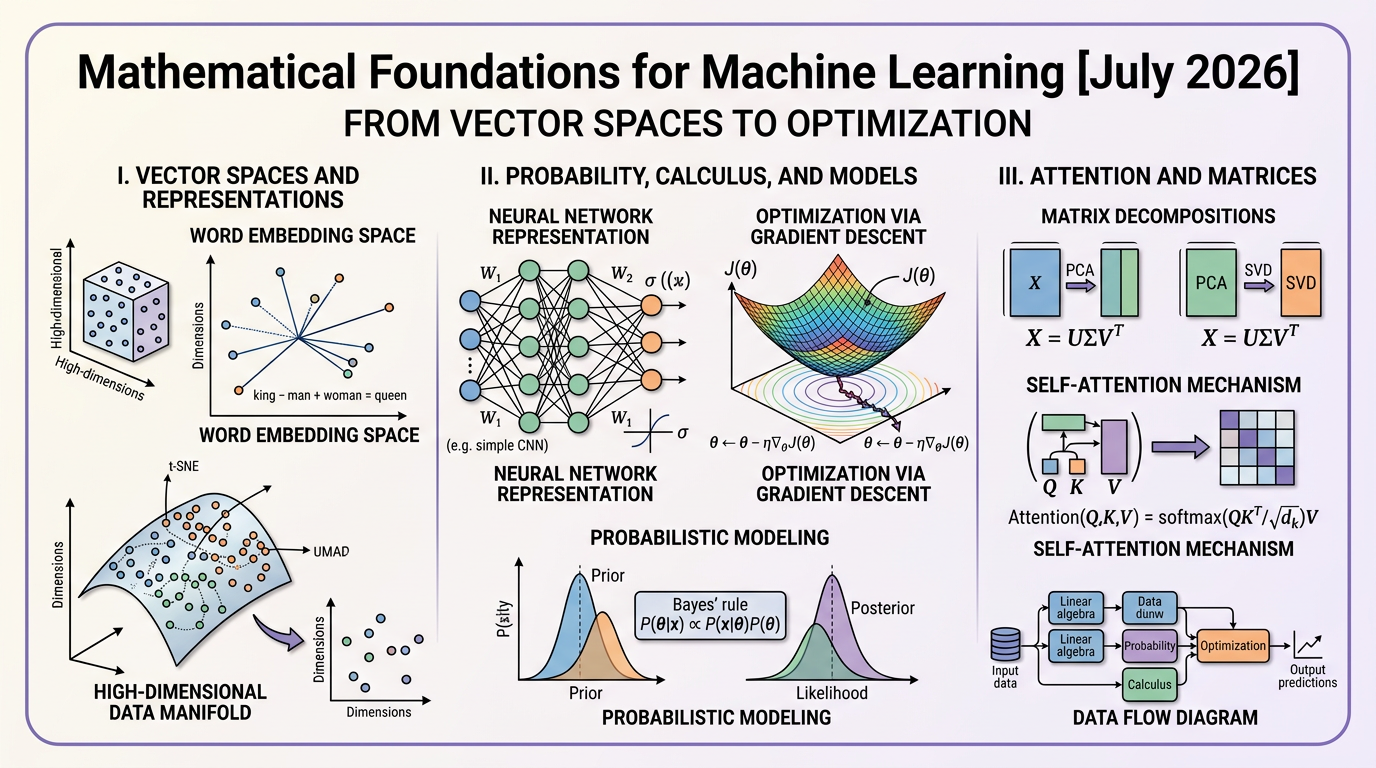
Mathematical Foundations for Machine Learning [July 2026]
Mathematical Foundations for Machine Learning [July 2026]
The World's First Harness Engineering Workshop by Vizuara
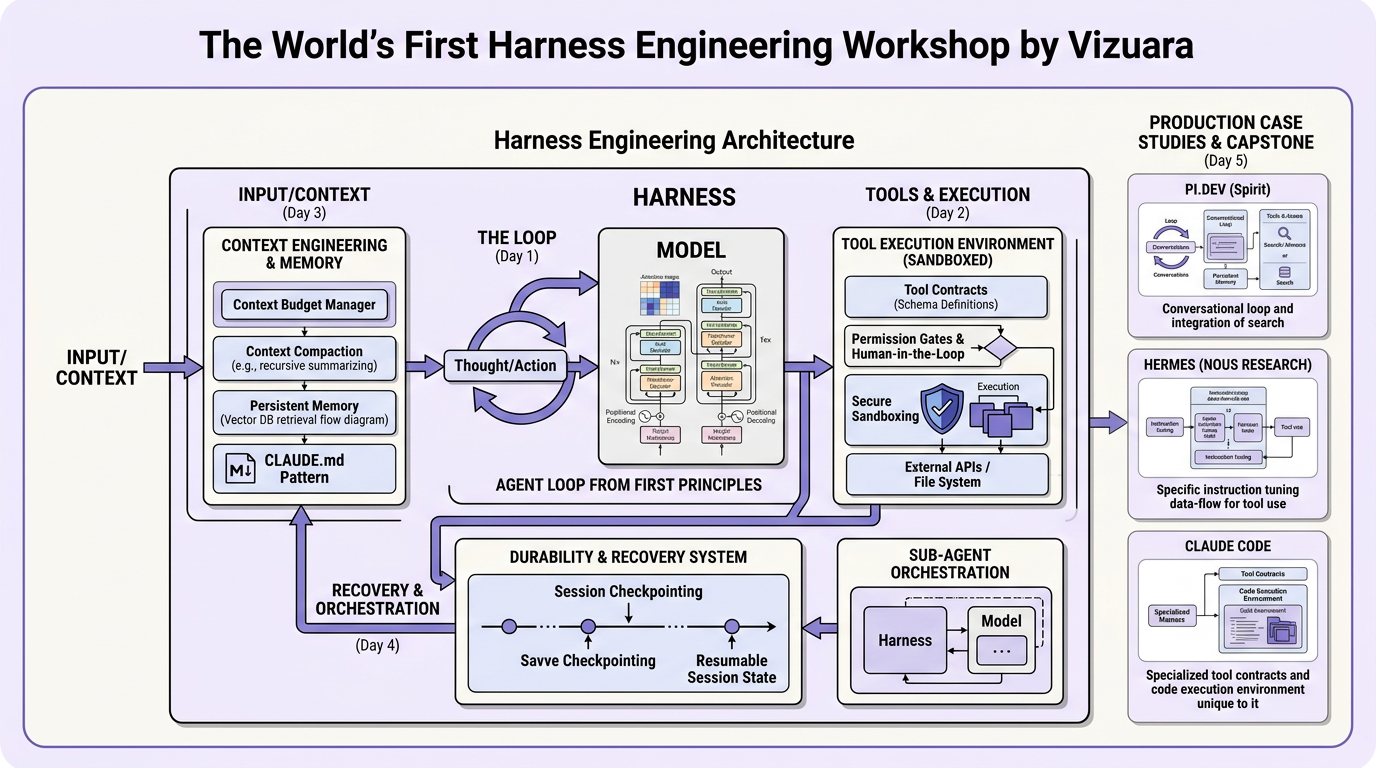
The World's First Harness Engineering Workshop by Vizuara. A 5-day live cohort, August 3 to 7, 2026 (Monday to Friday), 7:00 to 9:00 AM IST daily. Price: ₹60,000. This is the early-bird launch price for the first-ever cohort and is expected to rise for future cohorts. Enrolling now locks it in. Add-on. Pair it with the Claude Certified Architect track (complete recorded sessions plus mock exams, ₹45,000 on its own). Workshop and certification together cost ₹85,000 instead of ₹1,05,000, a saving of ₹20,000. Claude Code is not a model. It is a harness: the loop, the tools, the context machinery and the recovery systems wrapped around a model. In five mornings you build that layer from scratch and leave with your own working coding-agent harness, in the spirit of pi (pi.dev), studying Claude Code and Hermes (Nous Research) as production case studies. Your instructor. Dr. Raj Dandekar (PhD, MIT; co-founder, Vizuara), author of Manning's Build a DeepSeek Model (From Scratch) and creator of the Building LLMs from Scratch YouTube series. What you build, morning by morning: Day 1 (Mon Aug 3), The Anatomy of a Harness: the agent loop from first principles; prompt vs. context vs. harness engineering. Day 2 (Tue Aug 4), Tools and the Execution Environment: tool contracts, permission gates, sandboxing. Day 3 (Wed Aug 5), Context Engineering Inside the Harness: context budgets, compaction, memory, the CLAUDE.md pattern. Day 4 (Thu Aug 6), Durability, Recovery and Orchestration: checkpointing, resumable sessions, sub-agents, human-in-the-loop. Day 5 (Fri Aug 7), Production Harnesses and Capstone: pi, Hermes and Claude Code internals; demo your own harness. Includes daily recordings, code checkpoints for every module, and live review of every participant's harness. Prerequisites: comfort with Python or TypeScript and basic LLM API calls. Questions? Write to team@vizuara.com . Workshop site: harnessengineering.vizuara.ai
Claude Certified Architect Workshop [Recorded]
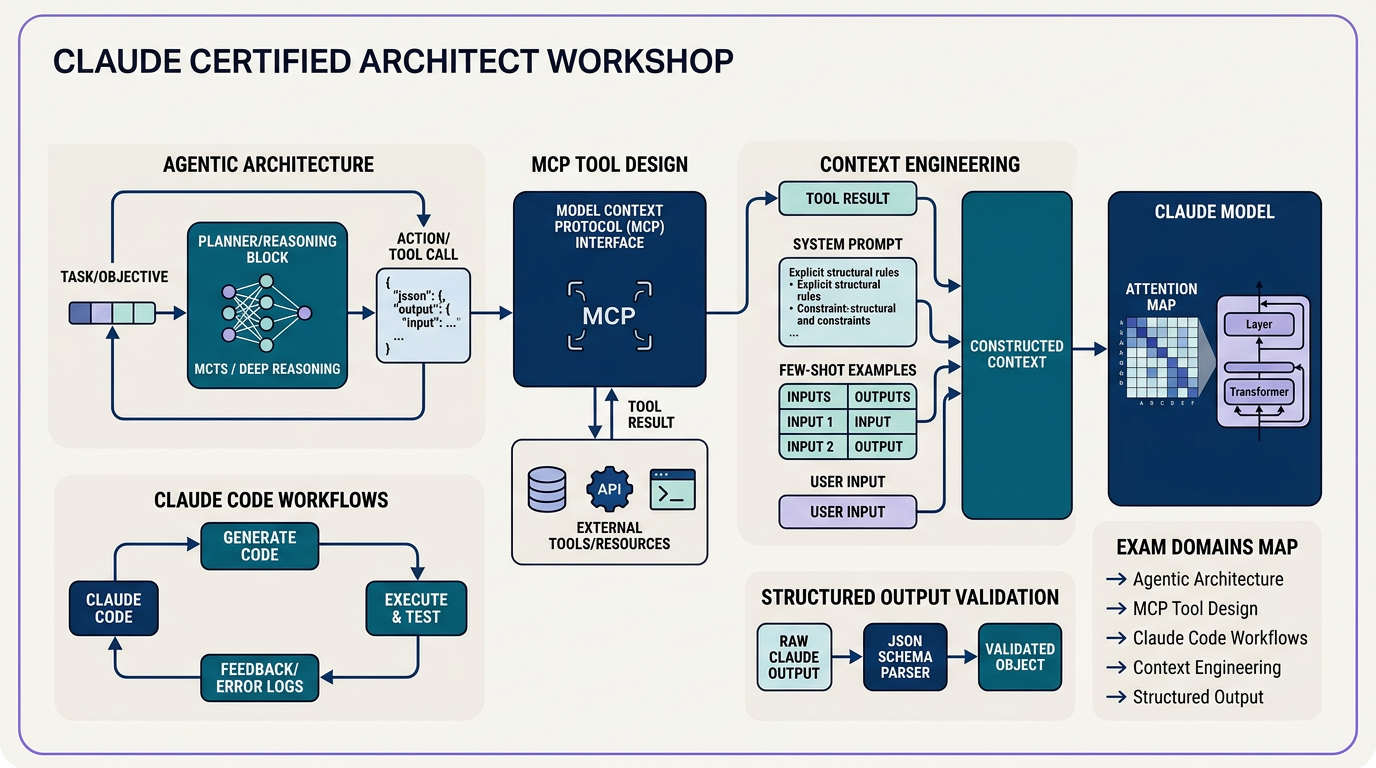
Become a Claude Certified Architect. A recorded 4-day workshop engineered around the official Claude Certified Architect – Foundations (CCAF) exam guide: agentic architecture, MCP tool design, Claude Code workflows, structured output, and context engineering, taught scenario-first. Recorded, not live. There are no Zoom sessions in this track. The lectures, labs and mock exam begin publishing on August 20, 2026, and you keep lifetime access to all of them. Included: 4 recorded sessions covering all 5 exam domains 4 hands-on labs from the official preparation exercises Full timed 60-question mock exam with scaled scoring and debrief Private cohort community Certificate of completion by Vizuara Note: independent training by Vizuara AI Labs, not affiliated with, endorsed by, or sponsored by Anthropic. Our certificate is a Vizuara credential, not the official CCAF certification (earned only via Anthropic's proctored exam, currently offered through the Anthropic Partner Network). Enterprises: for private team cohorts and Partner Network guidance, write to hello@vizuara.com .
[Class 10] AI Innovators: Beyond the Basics of AI and Machine Learning ICSE
class 10 ICSE Dashboard

[Class 6] AI Explorers: Introduction to Artificial Intelligence VWS

[Class 7] AI Explorers: Introduction to Artificial Intelligence VWS

[Class 8] AI Explorers: Introduction to Artificial Intelligence VWS
[Enterprise SLM from Scratch] 1-to-1 Research Mentorship
Three months of guided, asynchronous one-on-one mentorship that carries you from a research topic to a publishable paper. Includes topic selection, literature review and experiment design support, curated paper reading, and personalized feedback with a clear deliverable at every step.
[Enterprise SLM from Scratch] Research Starter Kit
A self-paced kit to launch your own small-language-model research. You get a personalized research roadmap mapped to your interest area, plus a clean, documented code template you can run from day one. Built for people who finish the bootcamp and want a clear path into original work.
[Enterprise SLM from Scratch] Foundations
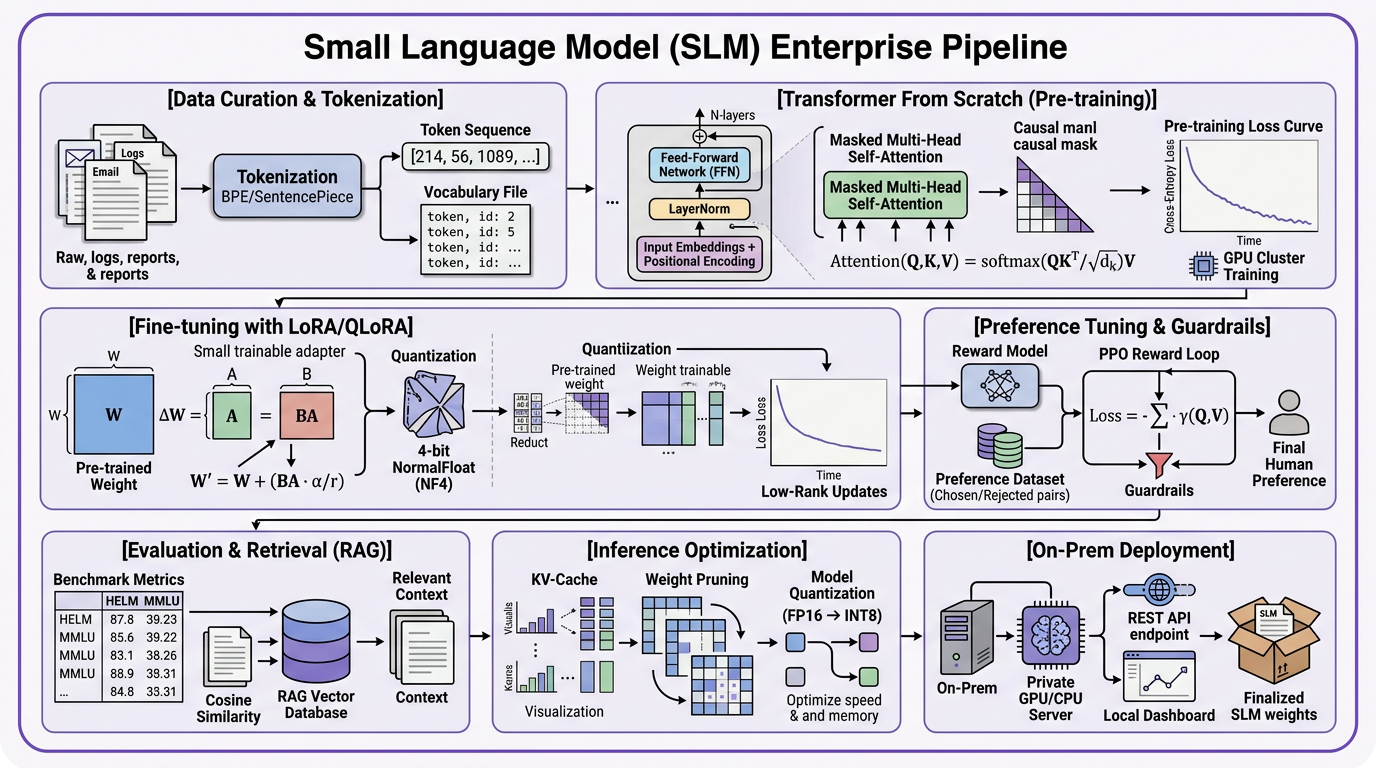
An eight-session, hands-on engineering bootcamp that takes you from raw data to a deployed small language model. You build the whole pipeline yourself: data curation and tokenization, a transformer trained from scratch, fine-tuning with LoRA and QLoRA, preference tuning and guardrails, evaluation and retrieval, inference optimization, and on-prem deployment. Concept-first teaching with live builds, runnable notebooks, and a model you can actually ship.

Class 3 & 4 - Fun With Computers!
Class 3 - Computational Thinking
Fun activities to develop logical thinking, problem-solving, patterns, and step-by-step learning skills through games and simple tasks.
Class 4 - Computational Thinking
Learn problem-solving, sequencing, patterns, and basic coding concepts through creative activities and real-life examples.
Class 5 - Computational Thinking
Build logical thinking, algorithmic skills, and creativity through interactive tasks, puzzles, and introductory AI concepts.
Class 6 - Computational Thinking and Artificial Intelligence
Computational Thinking and Artificial Intelligence introduces students to problem-solving, logical thinking, pattern recognition, algorithms, and basic AI concepts through fun activities and real-world learning.
Class 7 - Computational Thinking and Artificial Intelligence
Explore problem-solving, logic building, and the basics of Artificial Intelligence through fun activities and real-world applications in Class 7 Computational Thinking and AI.
Class 8 - Computational Thinking and Artificial Intelligence
An introductory course on Computational Thinking and Artificial Intelligence focused on problem-solving, logical thinking, creativity, and basic AI concepts.
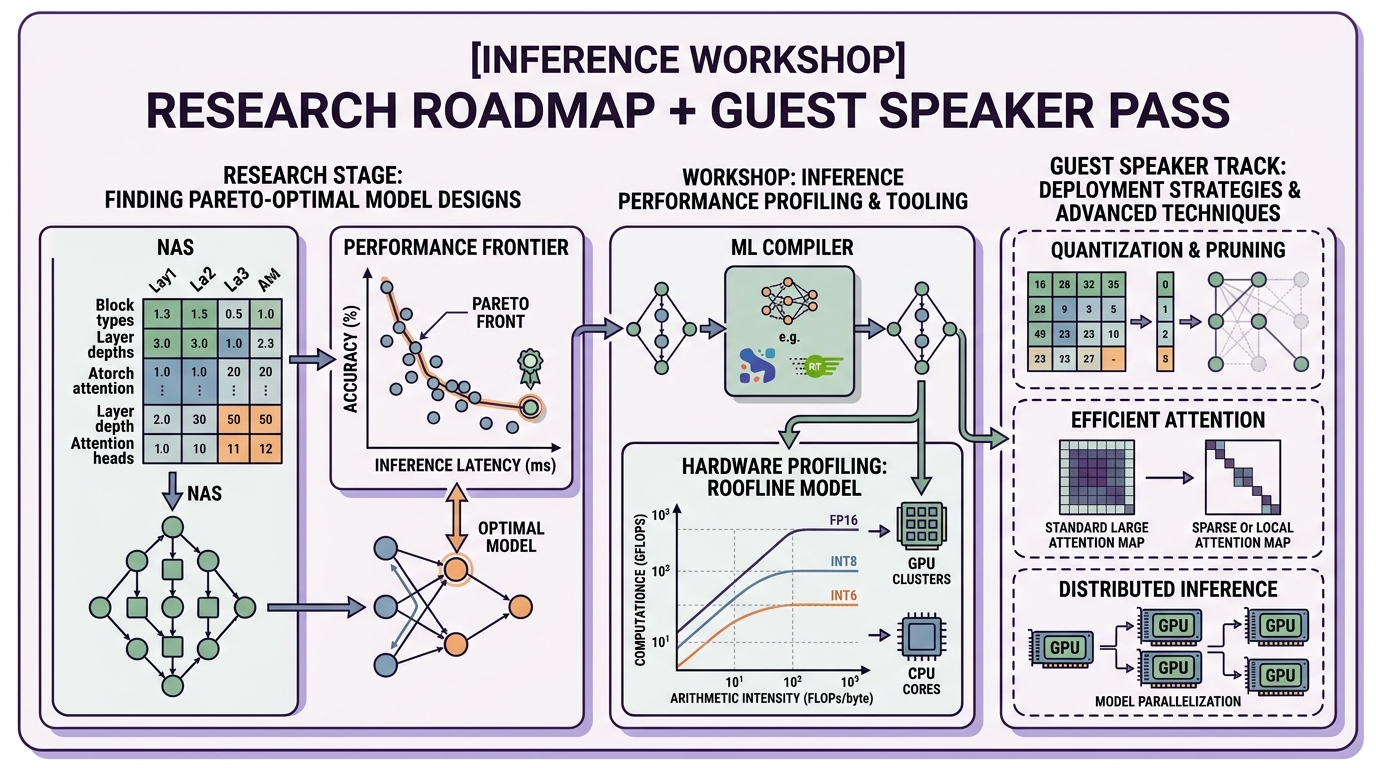
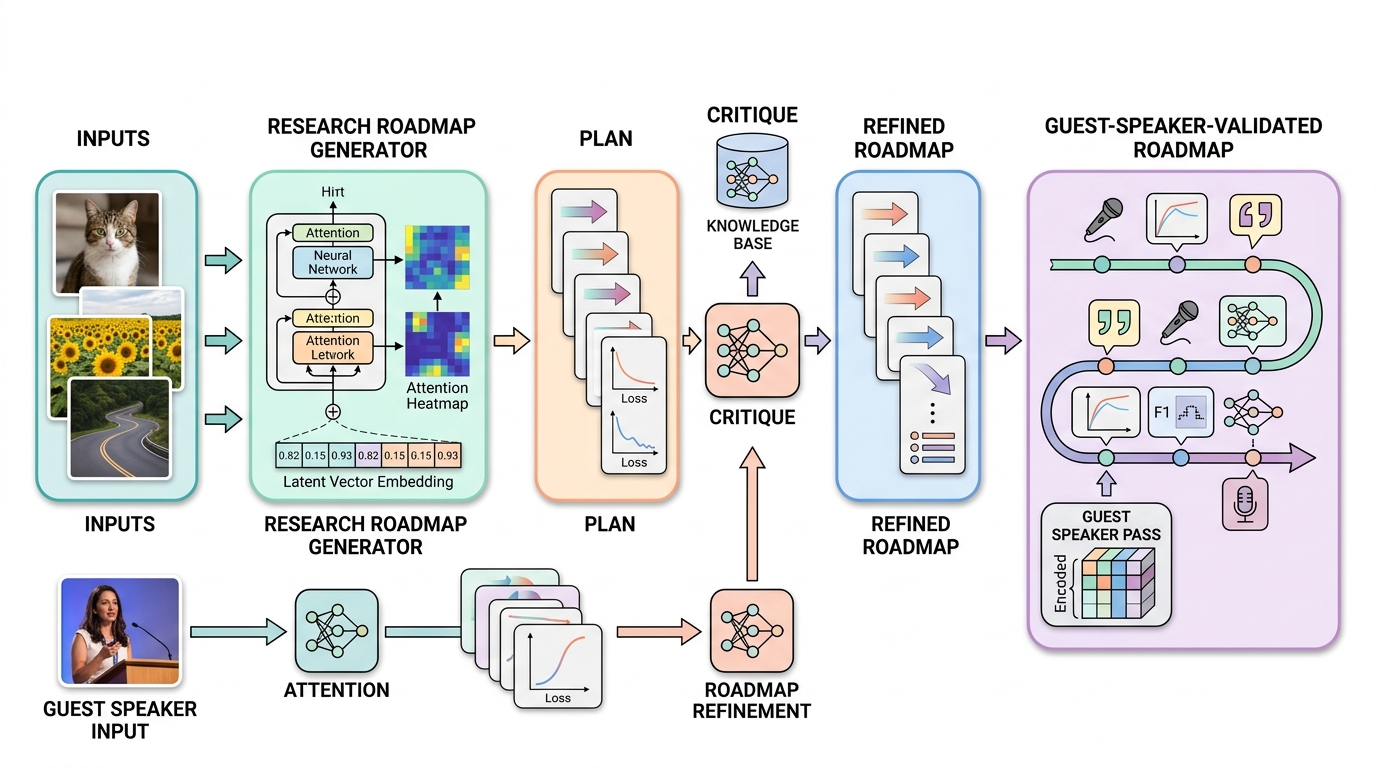
[Inference Workshop] Research Roadmap + Guest Speaker Pass
[Inference Workshop] Research Roadmap + Guest Speaker Pass
PayPal test course
PayPal test course
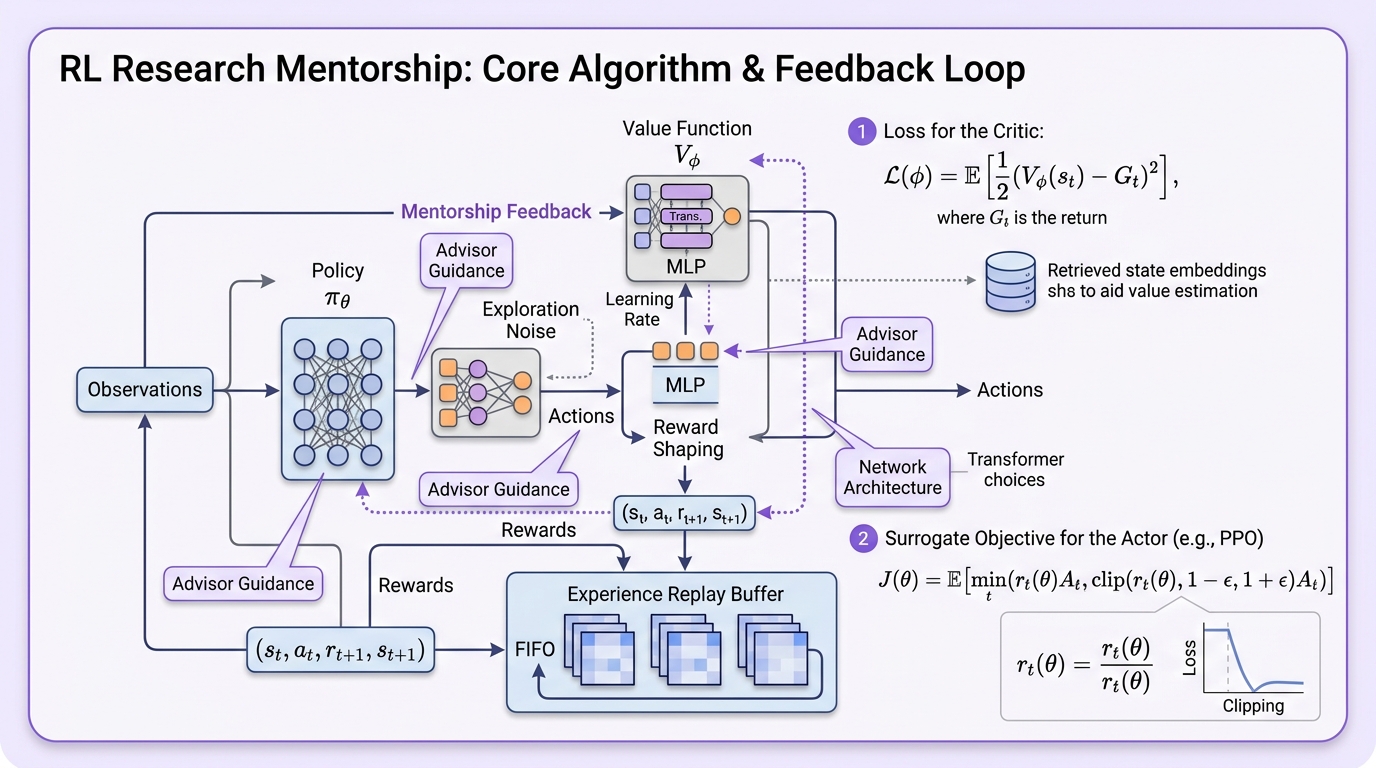
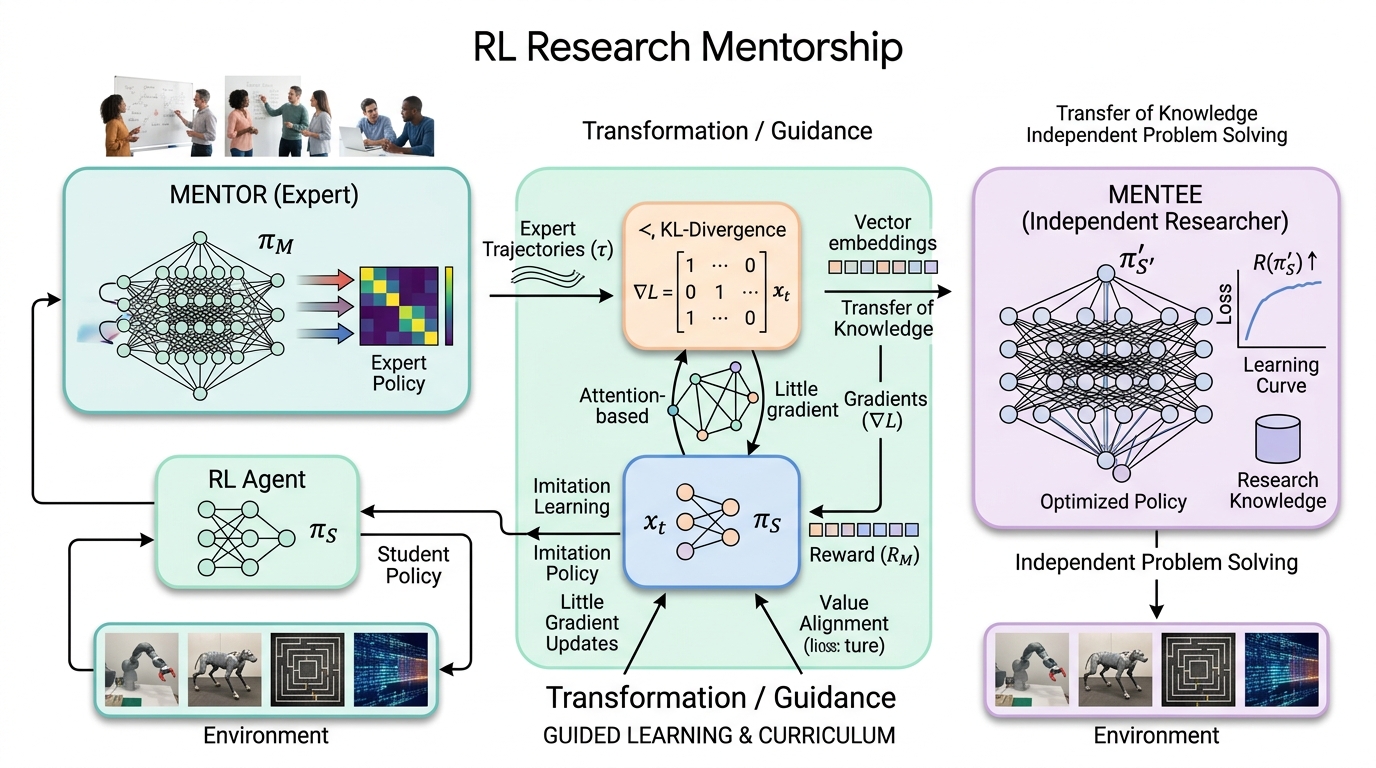
RL Research Mentorship
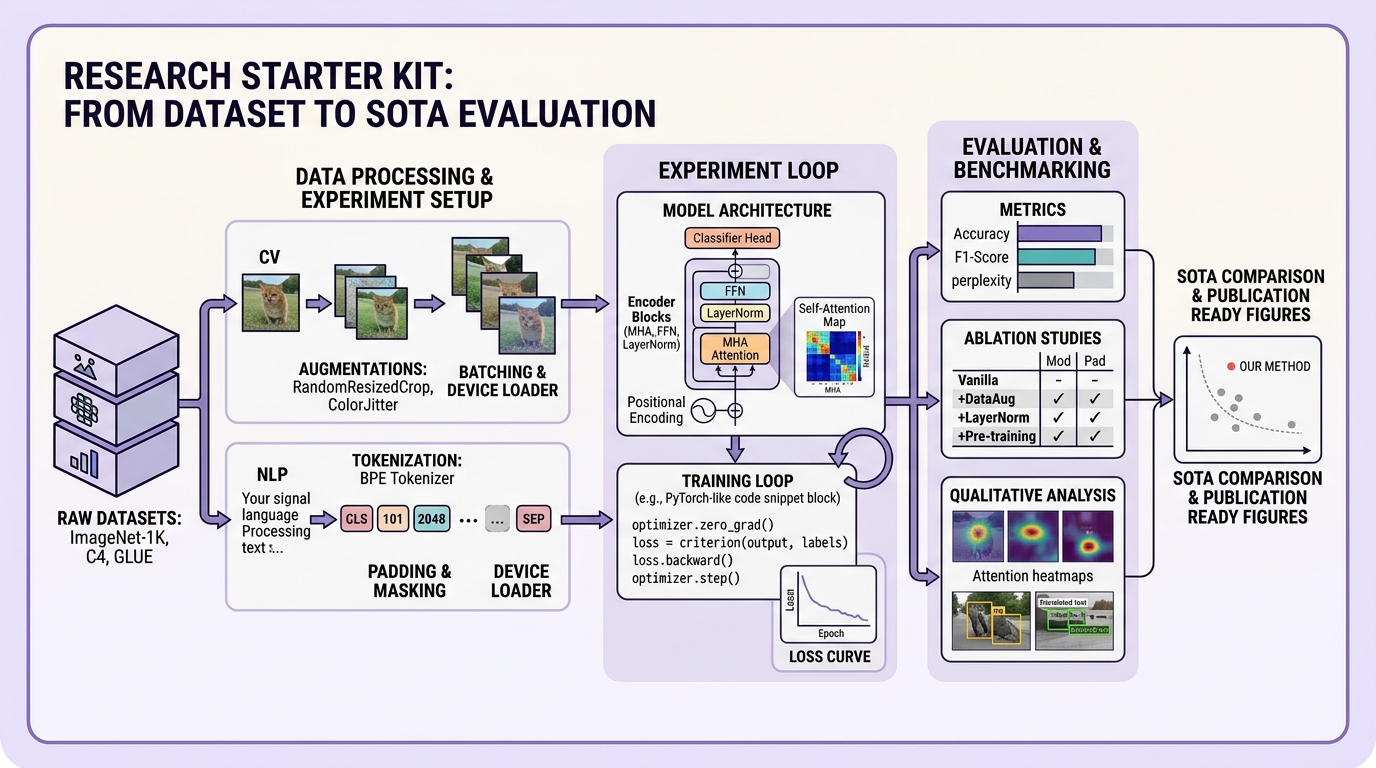
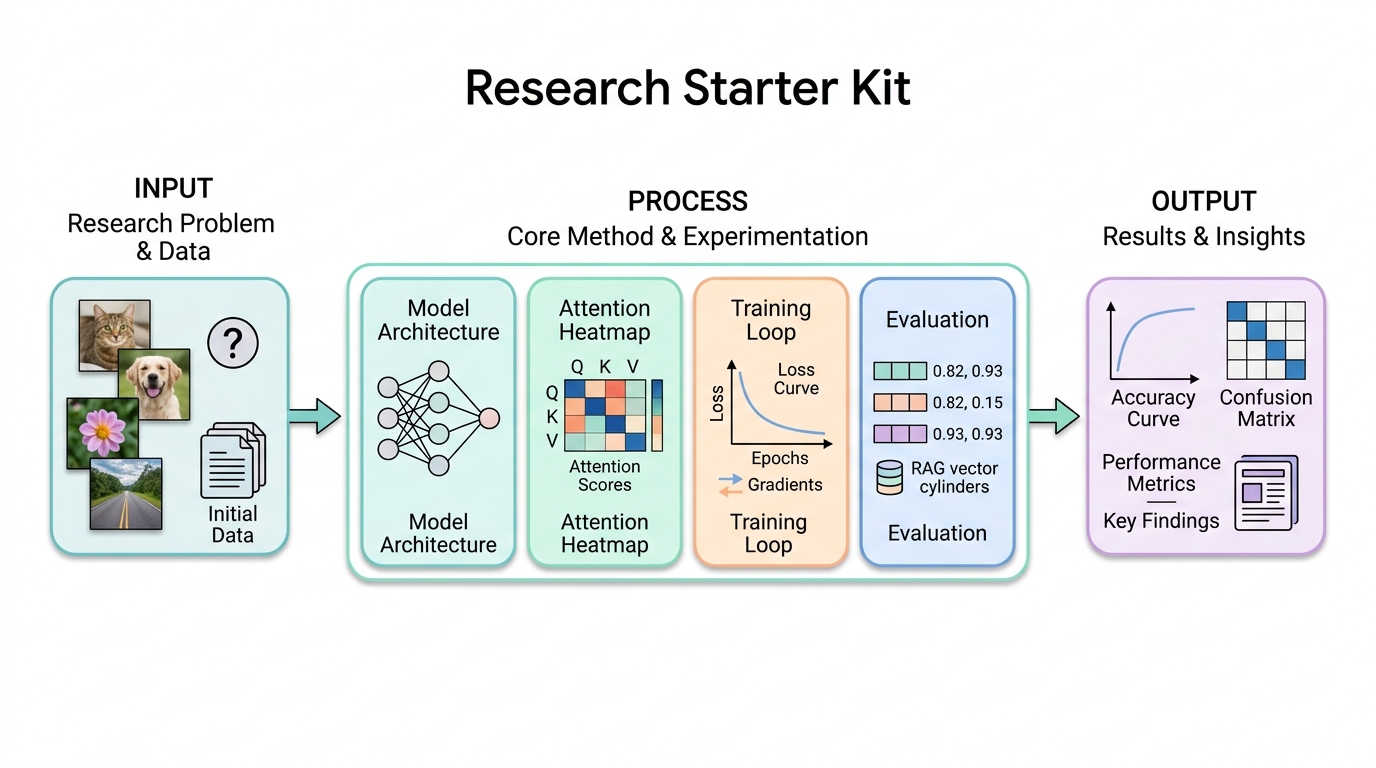
Research Starter Kit
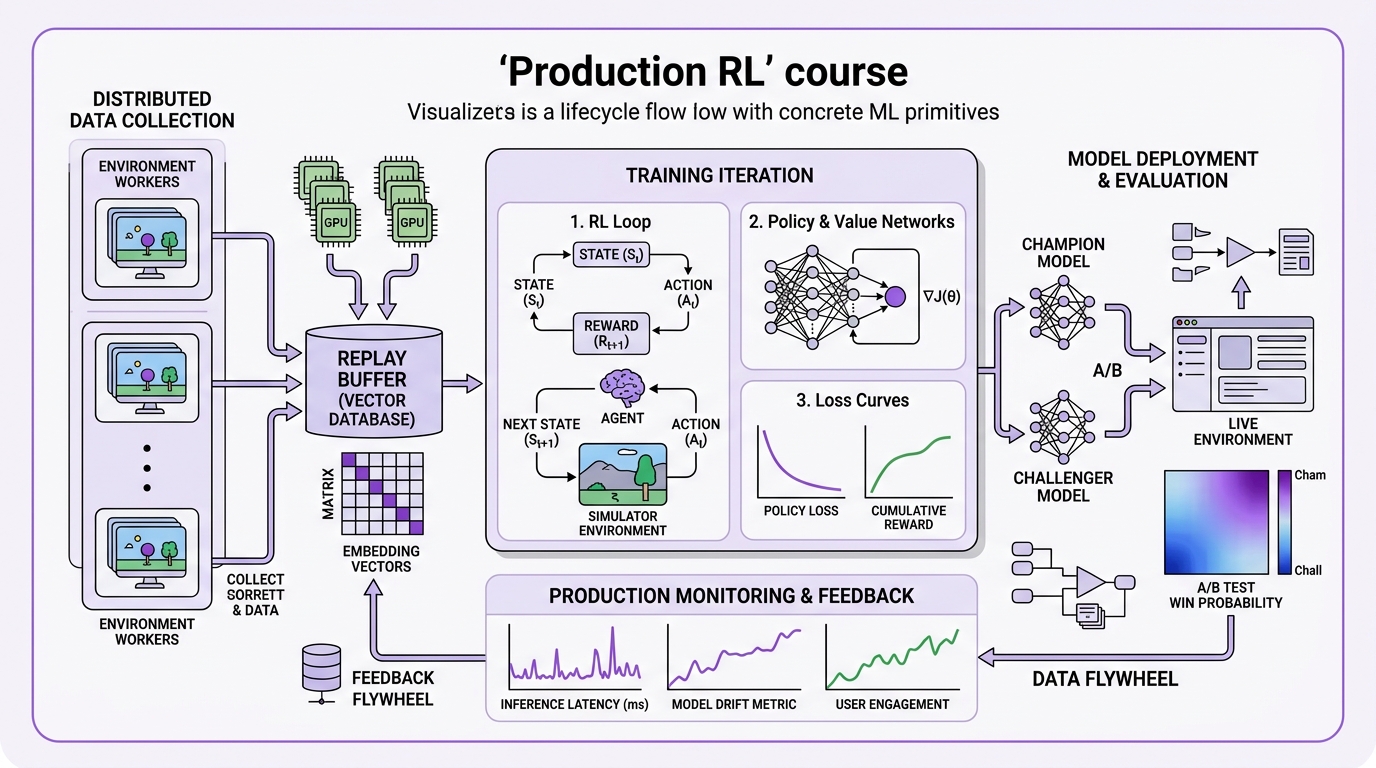
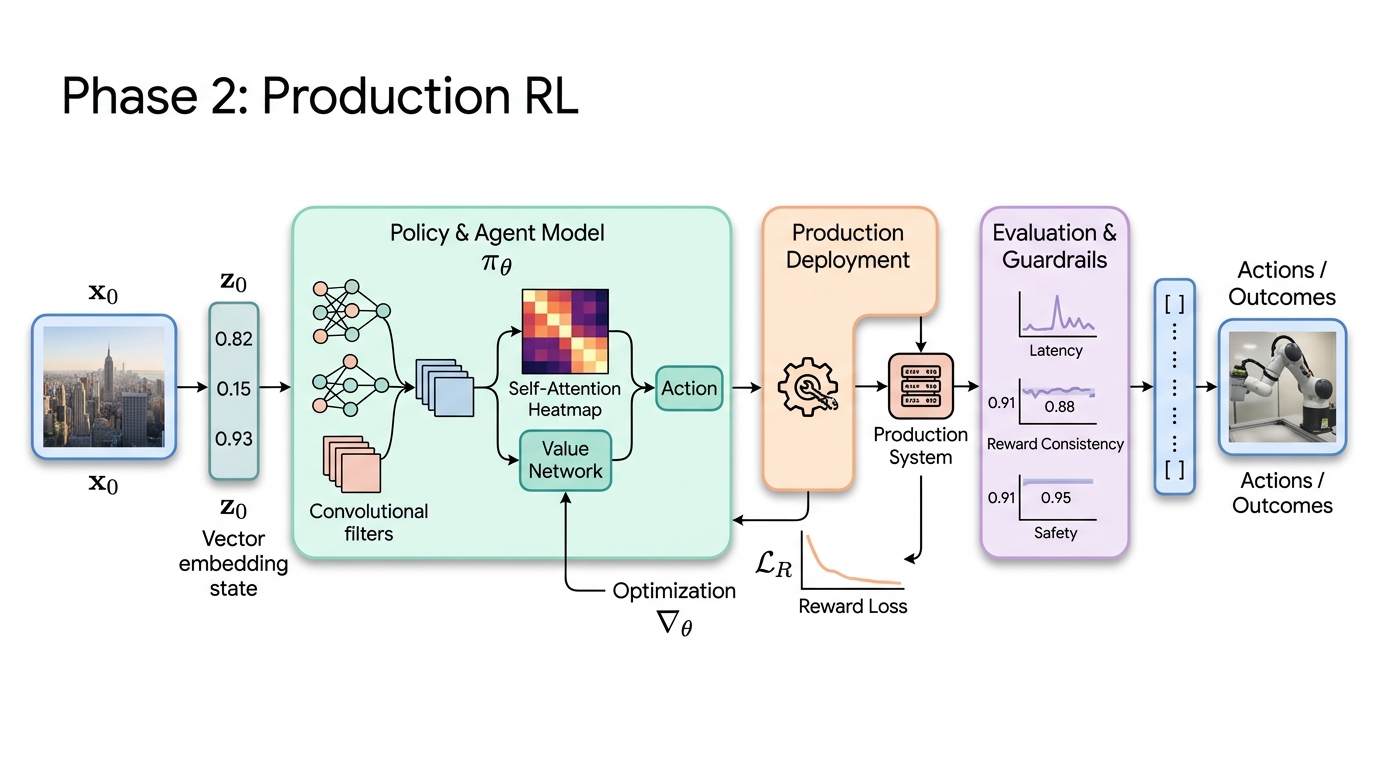
Phase 2: Production RL
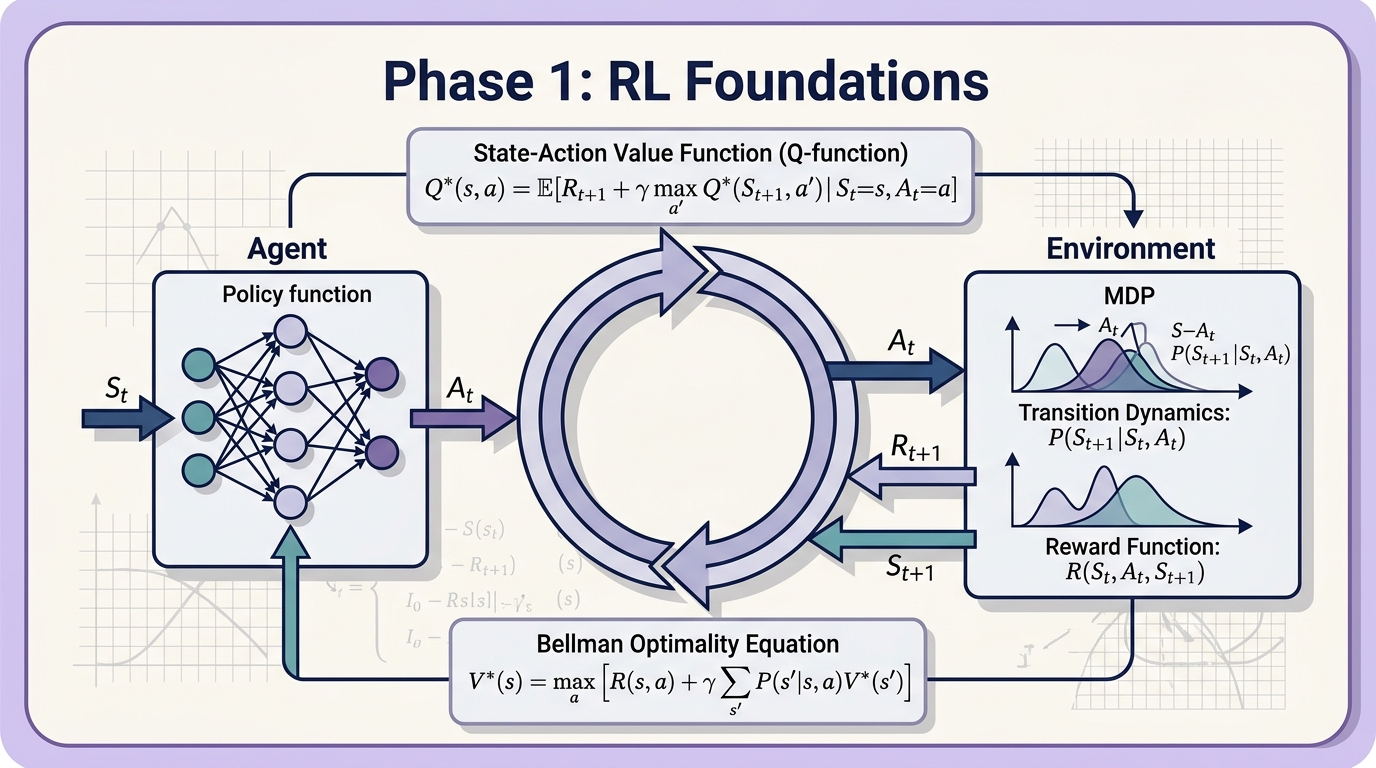
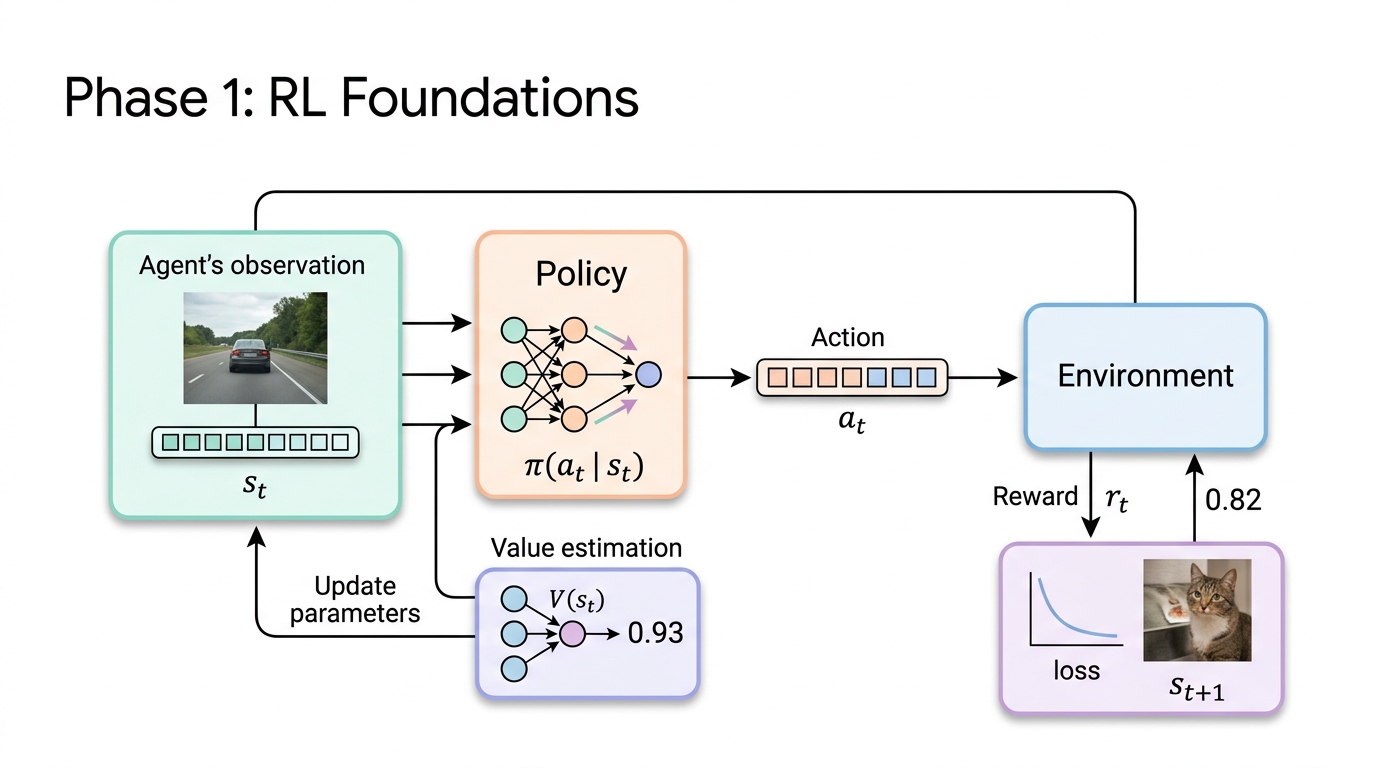
Phase 1: RL Foundations
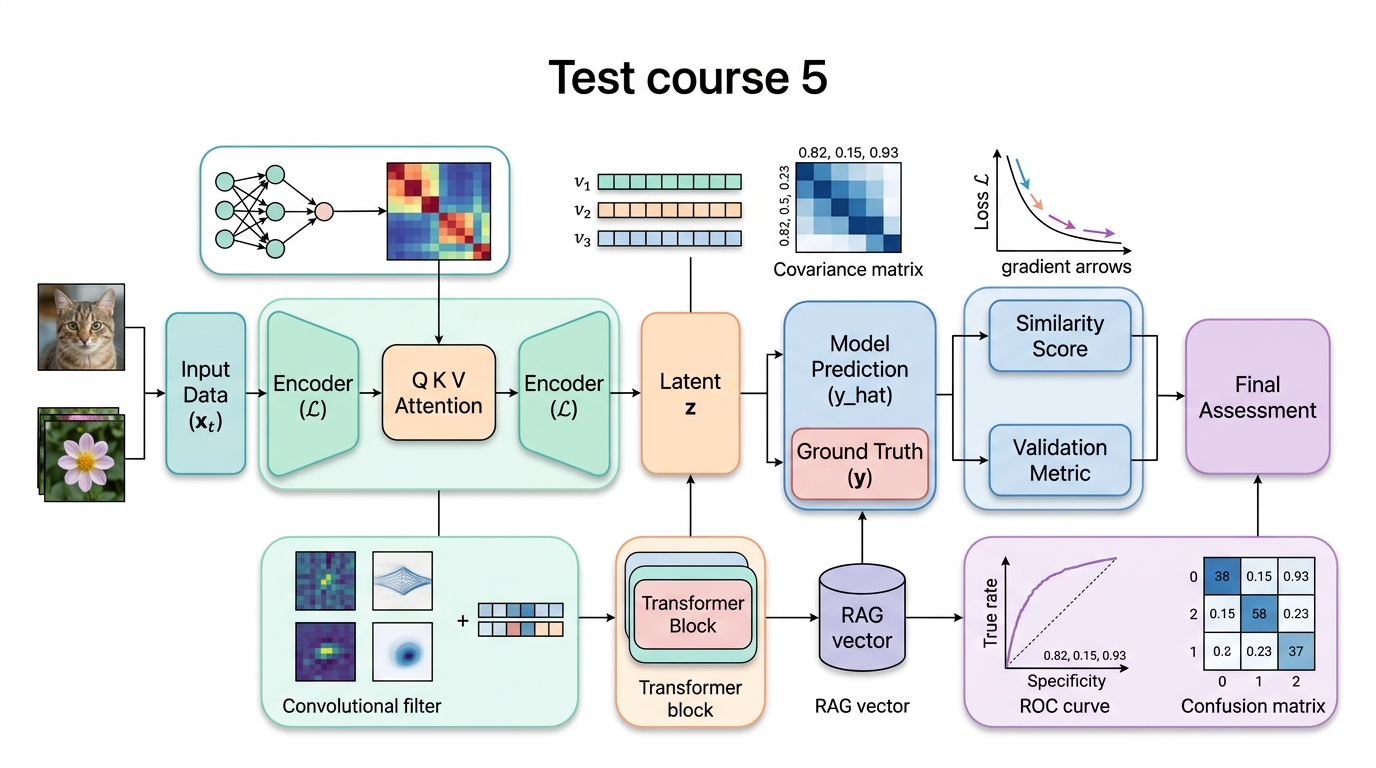
Test couse 5
test-couse-5
Build Voice Agents From Scratch [Research mentorship]
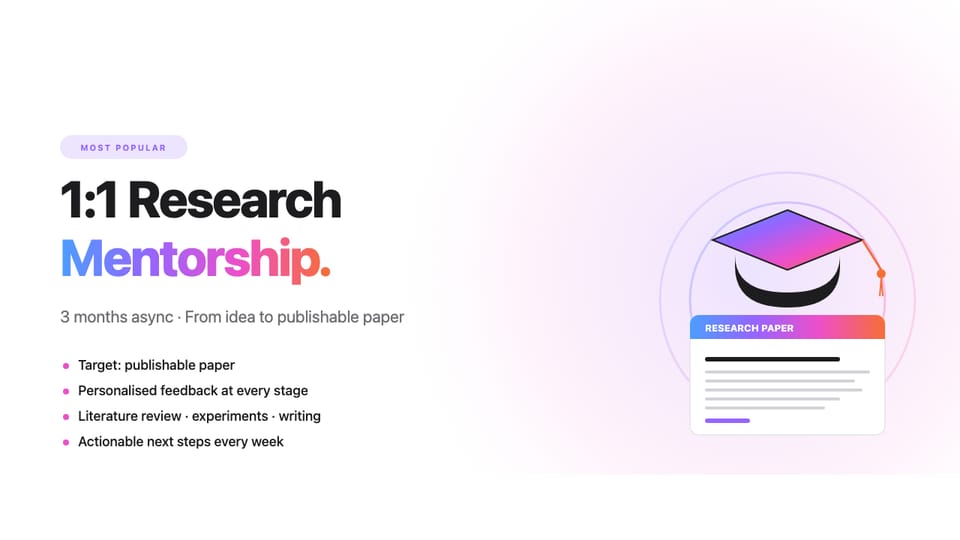
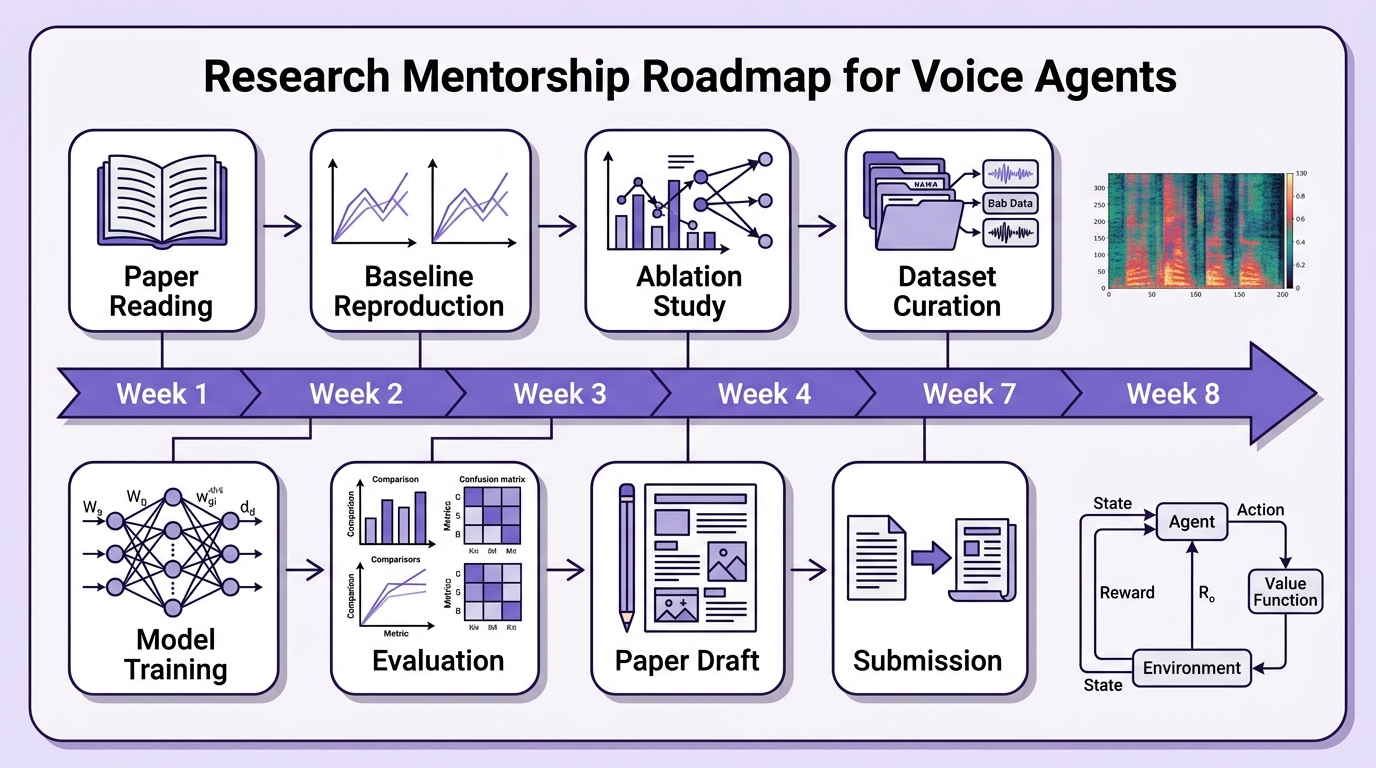
The Research Mentorship is a fully asynchronous, 3-month guided research program designed to take you from a research idea to a publishable paper in voice AI. Unlike traditional mentorship programs that rely on scheduled calls, this program is built around personalized async feedback at every stage of your research — so you can work at your own pace and across any timezone. You receive guidance on research topic selection, literature review, experiment design, ablation studies, paper writing, and submission strategy. Your mentor walks you through every step of the research process so you never feel stuck. The goal is clear: a publishable research paper that you can submit to top venues. The program includes Industry + Research Exposure where you get both career strategy and deep research guidance; Paper Reading Guidance with curated reading lists, paper discussions, and feedback on extracting insights from the literature; and Actionable Next Steps where every interaction ends with clear deliverables and deadlines. This mentorship is ideal for students preparing for graduate school, researchers who want to break into voice AI as a research domain, and engineers looking to publish their first paper in the field. You'll be guided by mentors who have deep expertise in voice AI, speech systems, and academic research — and you can see examples of our published research at https://research.vizuara.ai/publications.
Build Voice Agents From Scratch [Research starter kit]
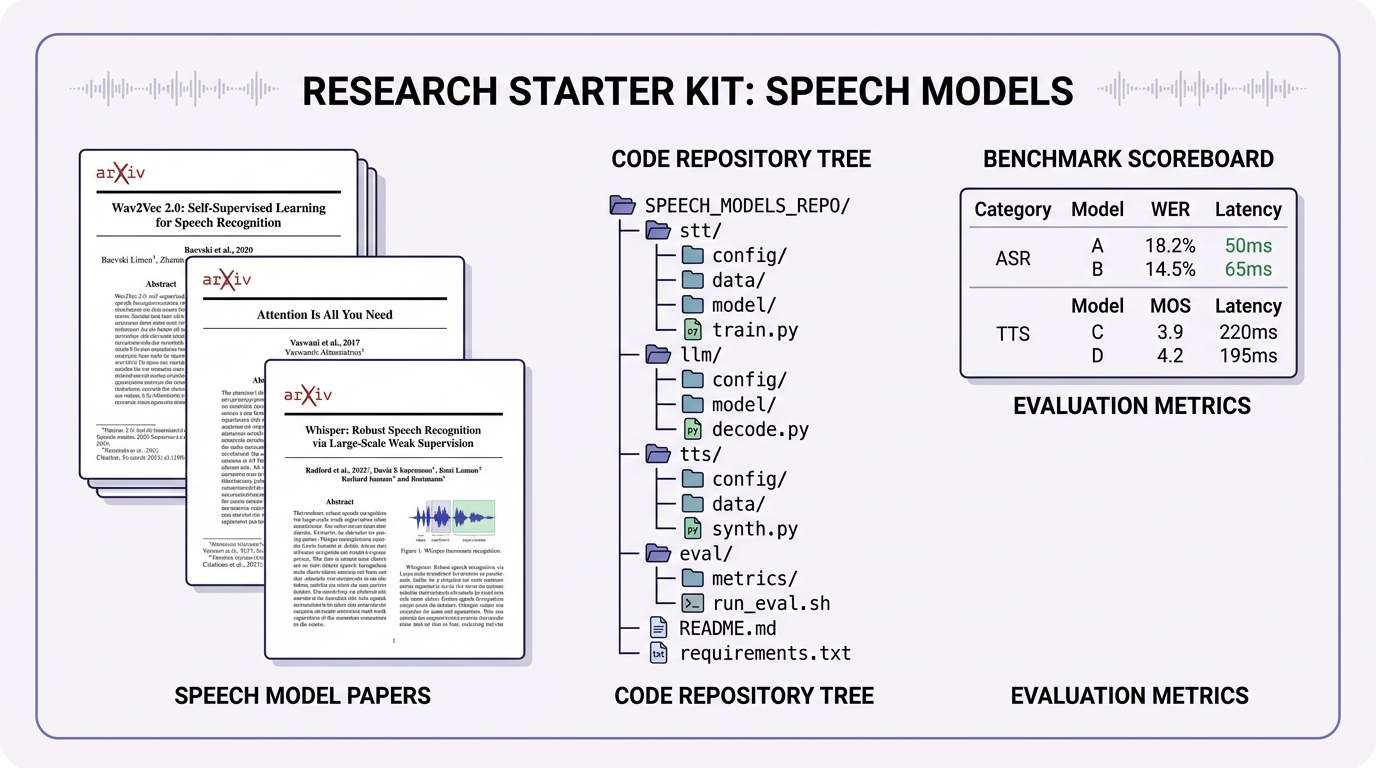
The Research Starter Kit is designed to give you a head start on your voice AI research journey — without forcing you to start from scratch. You tell us your topic of interest in voice AI (ASR optimization, low-latency TTS, voice agent memory systems, streaming architectures, on-device voice AI, or any other direction), and we deliver a personalized research roadmap and the foundation for your first research paper. The kit includes a Personalised Research Roadmap PDF — an 8-week structured plan with milestones, deliverables, and acceptance criteria tailored to your specific area of interest; an Initial Research Paper Draft with research questions framed, methodology outlined, related work surveyed, and experiment setup defined; a Curated Paper Reading List of 12-15 handpicked papers relevant to your topic with a recommended reading order and key takeaways; and a Starter Code Template with documentation and pipeline scaffolding for your voice AI research project, ready to extend with your own experiments. Everything is delivered asynchronously, so you can hit the ground running from day one without waiting for scheduled sessions. The Research Starter Kit is the perfect companion for students, early-career researchers, and engineers who want to explore voice AI as a research field but don't know where to begin or how to structure their first paper.
Build Voice Agents From Scratch [Foundations]
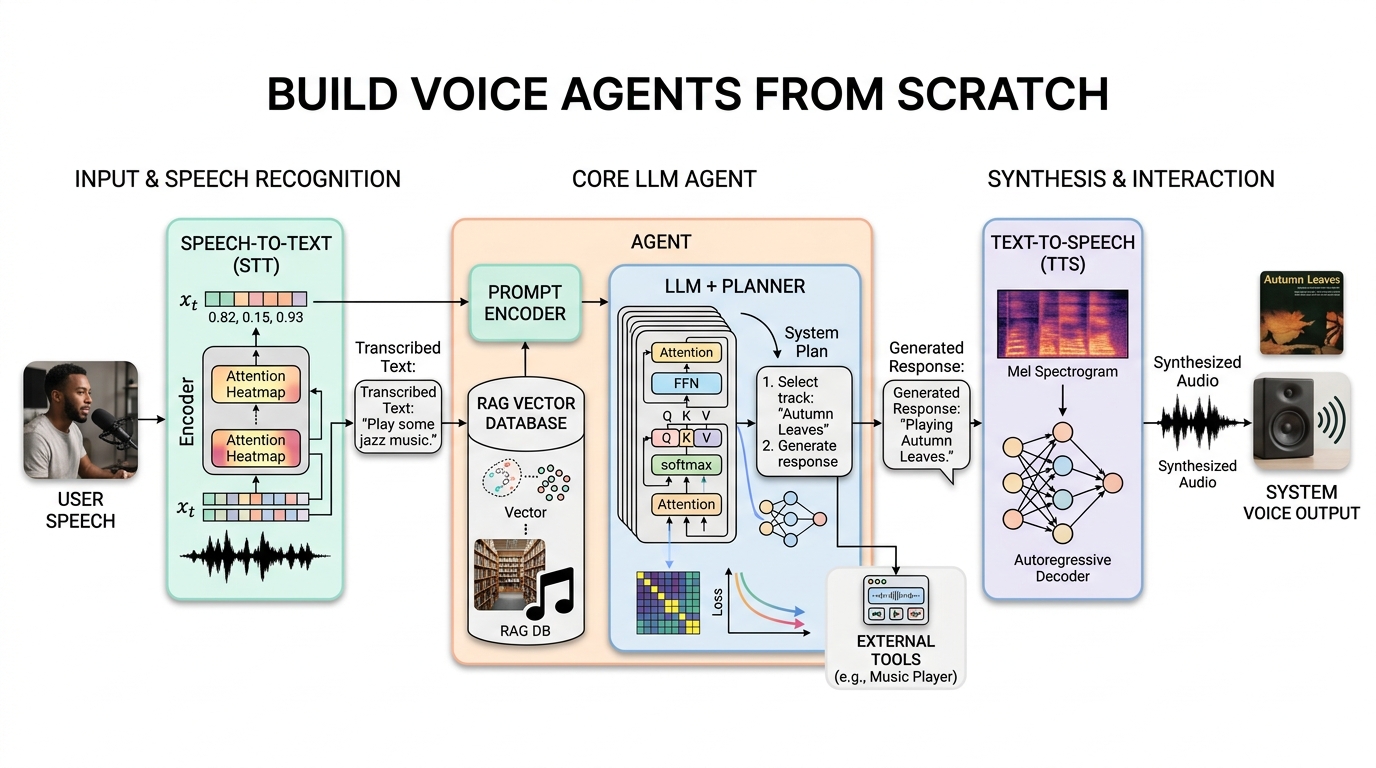
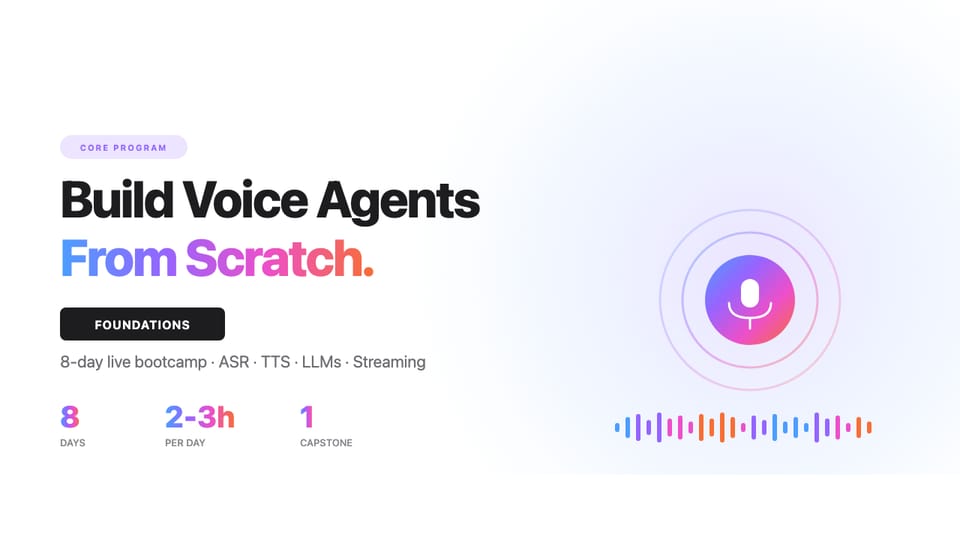
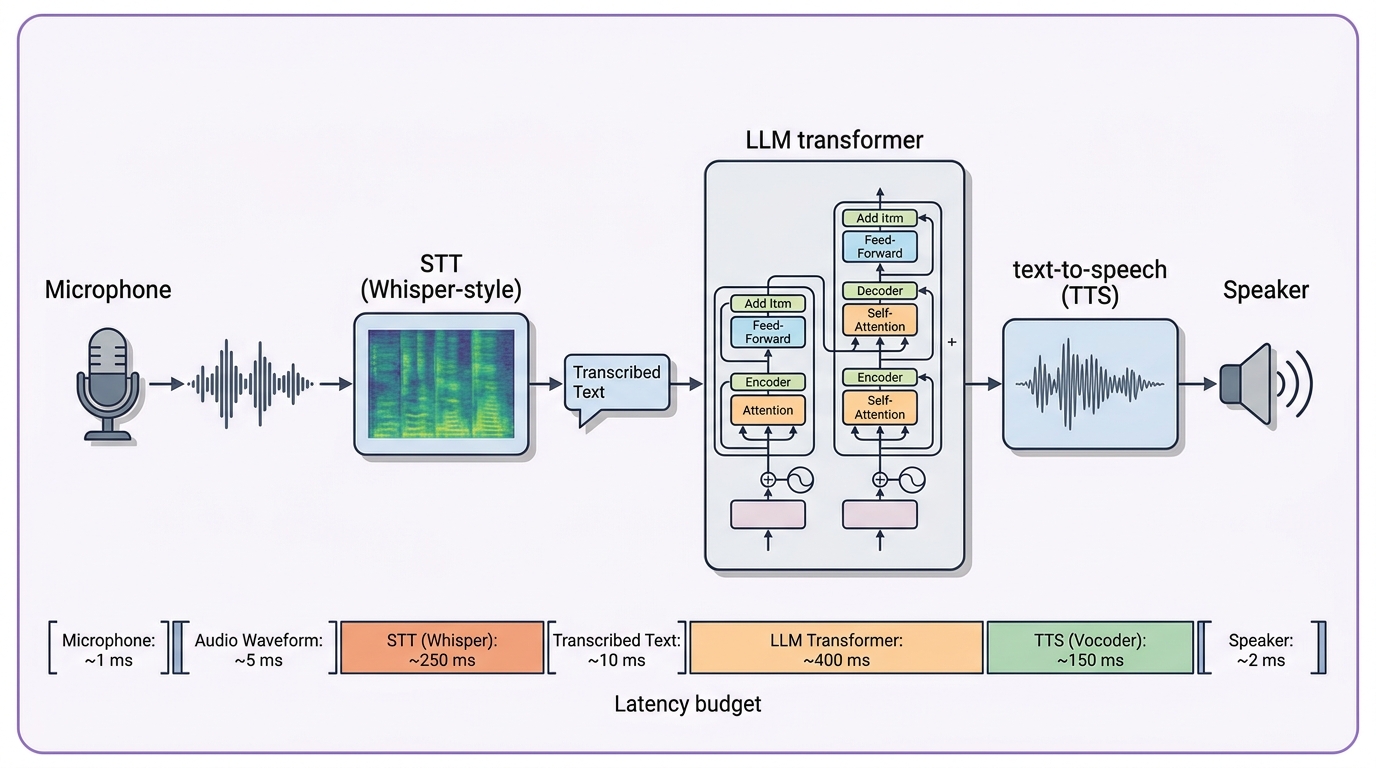
The Foundations course is an 8-day intensive live bootcamp that teaches you how to build production-grade voice agents from scratch. Over 8 days of 2-3 hour live sessions, you'll go from zero to building a complete real-time voice agent that can listen, reason, and speak — using ASR, TTS, LLMs, tool calling, memory, and streaming pipelines. This course is for engineers, developers, and AI/ML practitioners who want to understand how voice agents work under the hood rather than relying on black-box frameworks. You'll cover the full stack: Speech-to-Text with Whisper and faster-whisper, Text-to-Speech with Piper and Coqui TTS, voice activity detection with Silero VAD, LLM reasoning for spoken interactions, tool calling and memory for agentic behavior, real-time streaming with WebSockets, production architecture, and a final end-to-end capstone project. Every concept is taught from scratch — no hand-waving — by Dr. Sreedath Panat (MIT PhD, IIT Madras gold medalist, co-author of the Manning bestseller "Build DeepSeek from Scratch"). You receive code files, hand-written notes, slides, visual guides, PDF booklets, assignments, interactive quizzes, lifetime access to the live Zoom recordings, and a certificate of completion with a project showcase page. By the end of the bootcamp, you'll be able to build real-time, tool-using voice agents like AI receptionists, meeting assistants, research assistants, and desktop voice assistants — and you'll deeply understand every component, which makes you far more effective even when using high-level frameworks like Pipecat or LiveKit later.
GenAI Student Plan
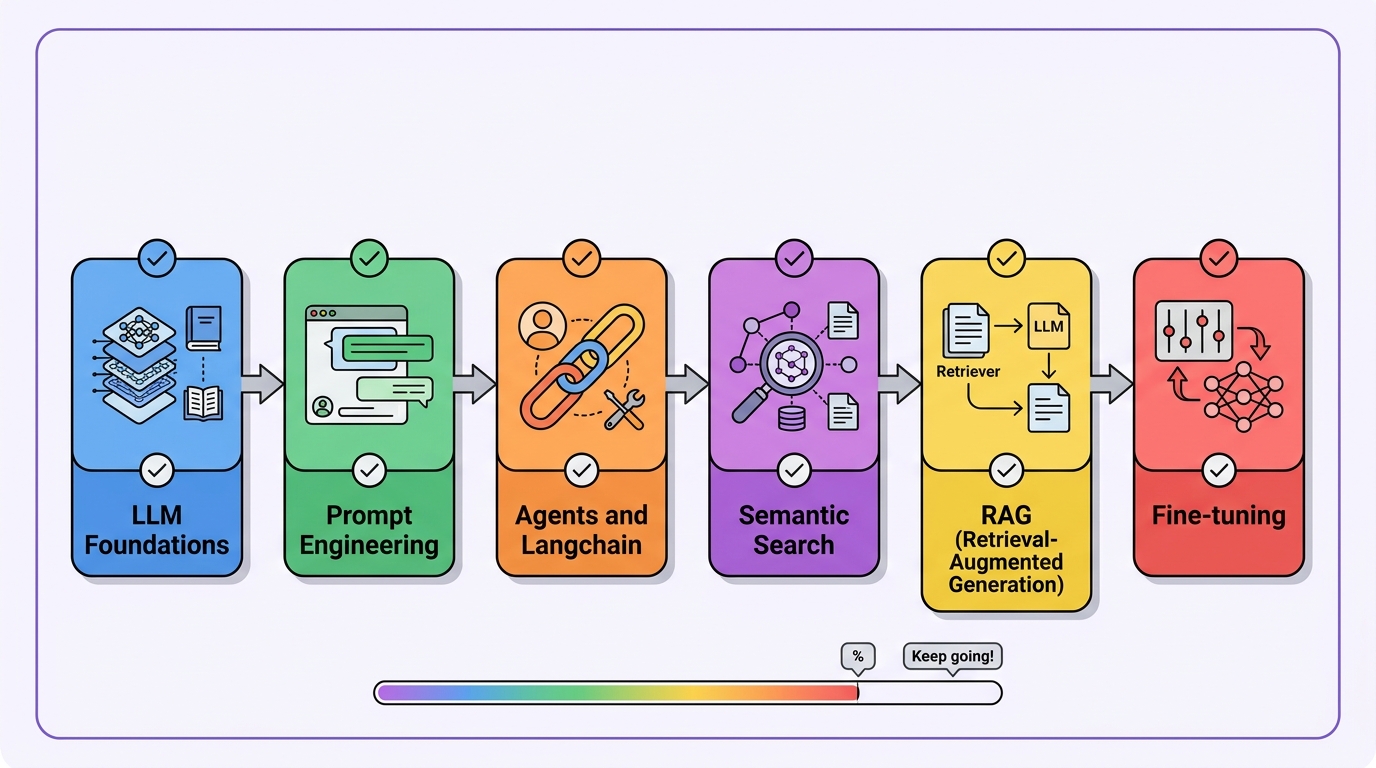
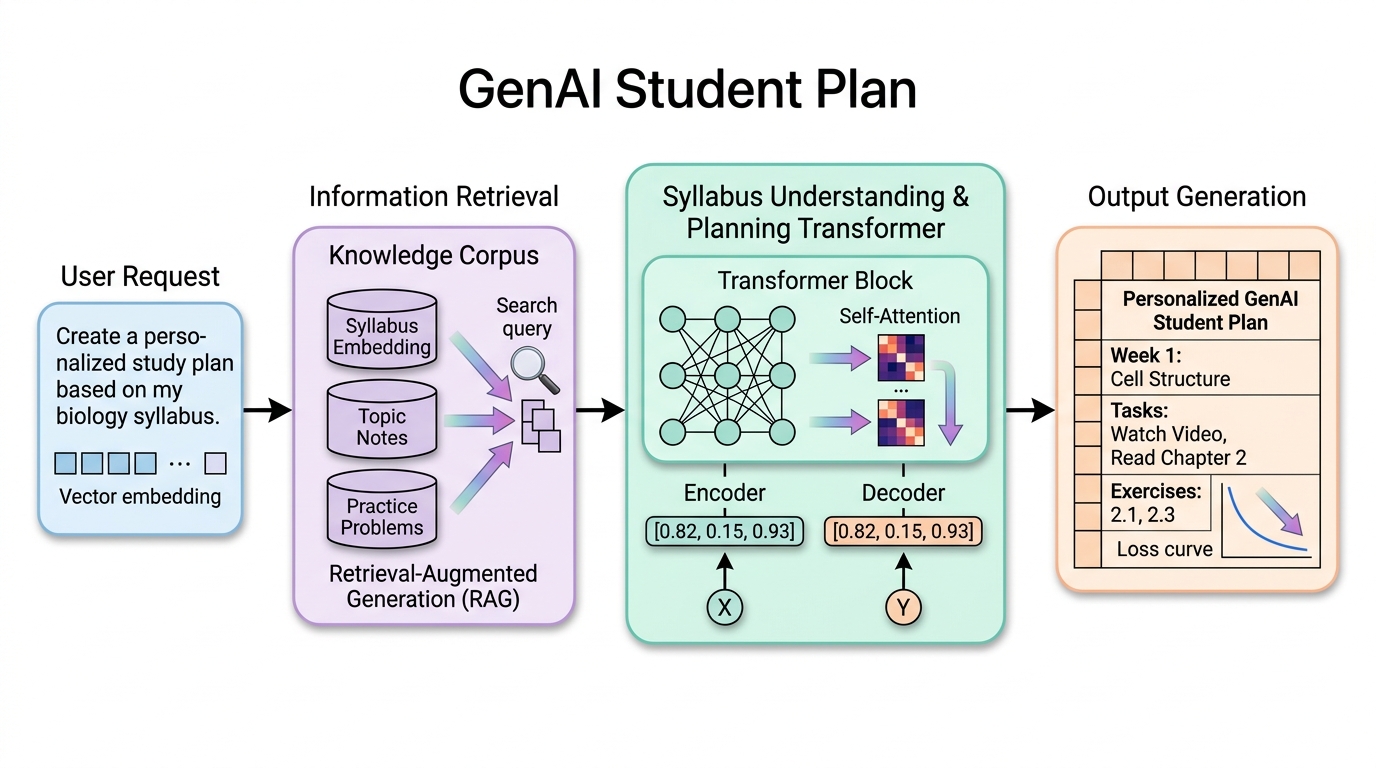
About This Course Objectives after this course (1) You will understand how AI can be applied in your industry, in your everyday workflow. (2) You will understand how GenAI, LLMs are revolutionizing industries. What will you learn from this course: (1) How to build 10+ hands on projects using LLMs and Generative AI (2) What are agents and how to build an LLM agent? (3) What is Retrieval Augmented Generation (RAG) and how to build a RAG Chatbot?(a) Covid-19 modeling project What you will get during this course: (1) Lifetime access to all videos, codefiles, homework assignments (2) This is a fully self paced course Email us at hello@flyvidesh if interested in more details, and we will respond within 24 hours.
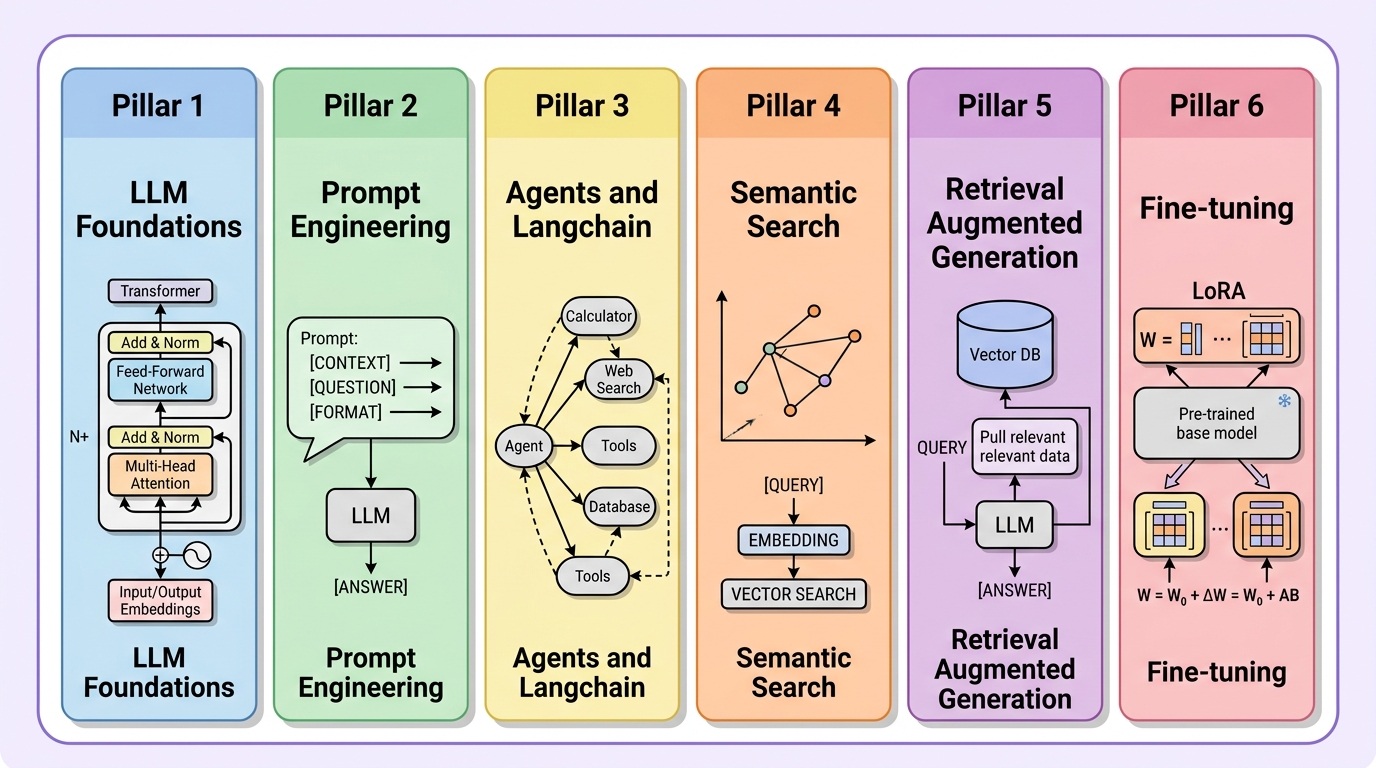
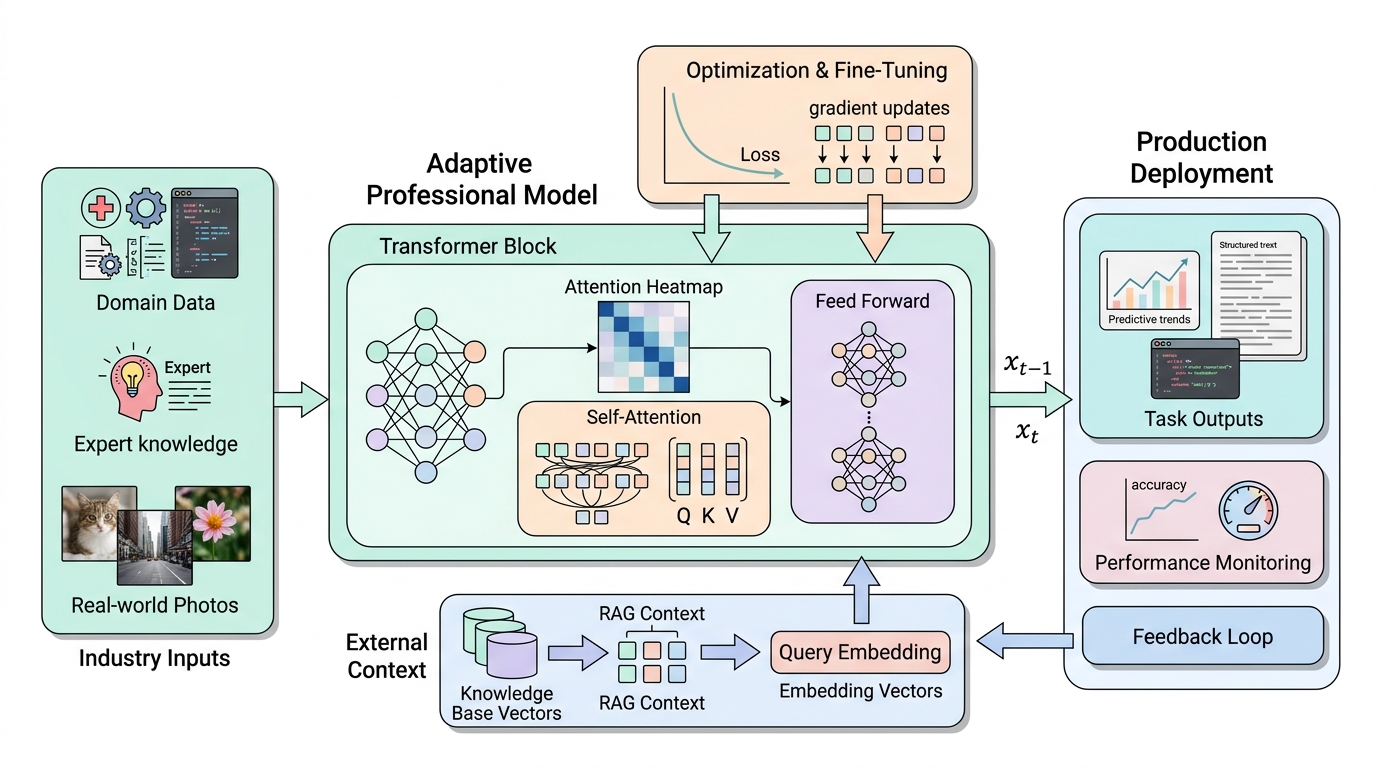
GenAI Industry Professional Plan
About This Course Publish a paper in Generative AI | MIT, Purdue PhDs as your industry advisors After this course: (1) You will understand how GenAI can be applied in your industry, in your everyday workflow. (2) You will understand how GenAI, LLMs are revolutionizing industries. (3) You would have published a first author paper in the field of Generative AI/ LLMs. What will you learn from this course: (1) How to build 10+ hands on projects using LLMs and Generative AI (2) What are agents and how to build an LLM agent? (3) What is Retrieval Augmented Generation (RAG) and how to build a RAG Chatbot? What you will get during this course: (1) Lifetime access to all 30 videos, codefiles, homework assignments (2) Access to bootcamp community on Discord (3) Assignment checking, doubt clearance to lectures/assignments (4) Free access to all ML webinars conducted throughout the year (5) Access to open list of research problems in LLMs (6) 4 month personalized guidance in doing research on the topic (7) Publishing the research in conferences/journals Email us at hello@flyvidesh if interested in more details, and we will respond within 24 hours.
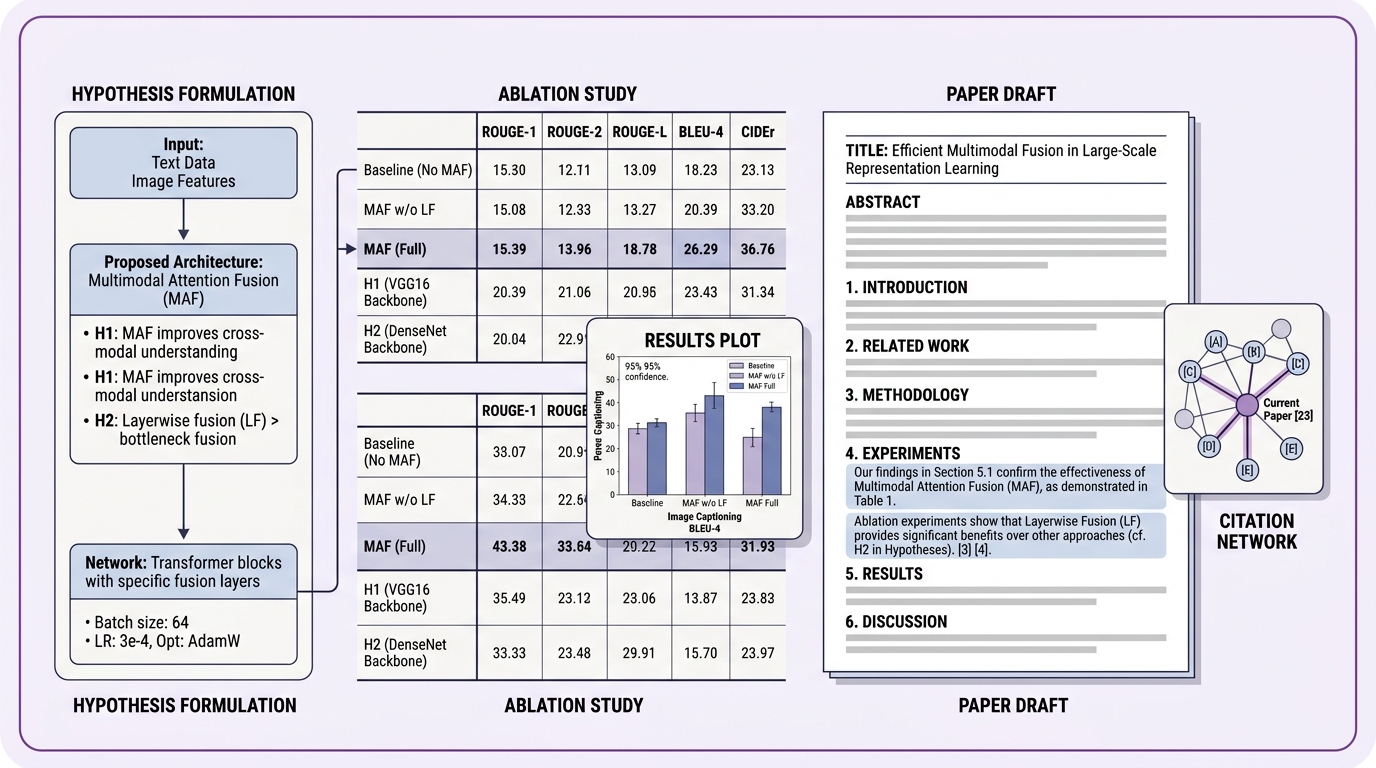
ML-DL-Research
ML DL Bootcamp
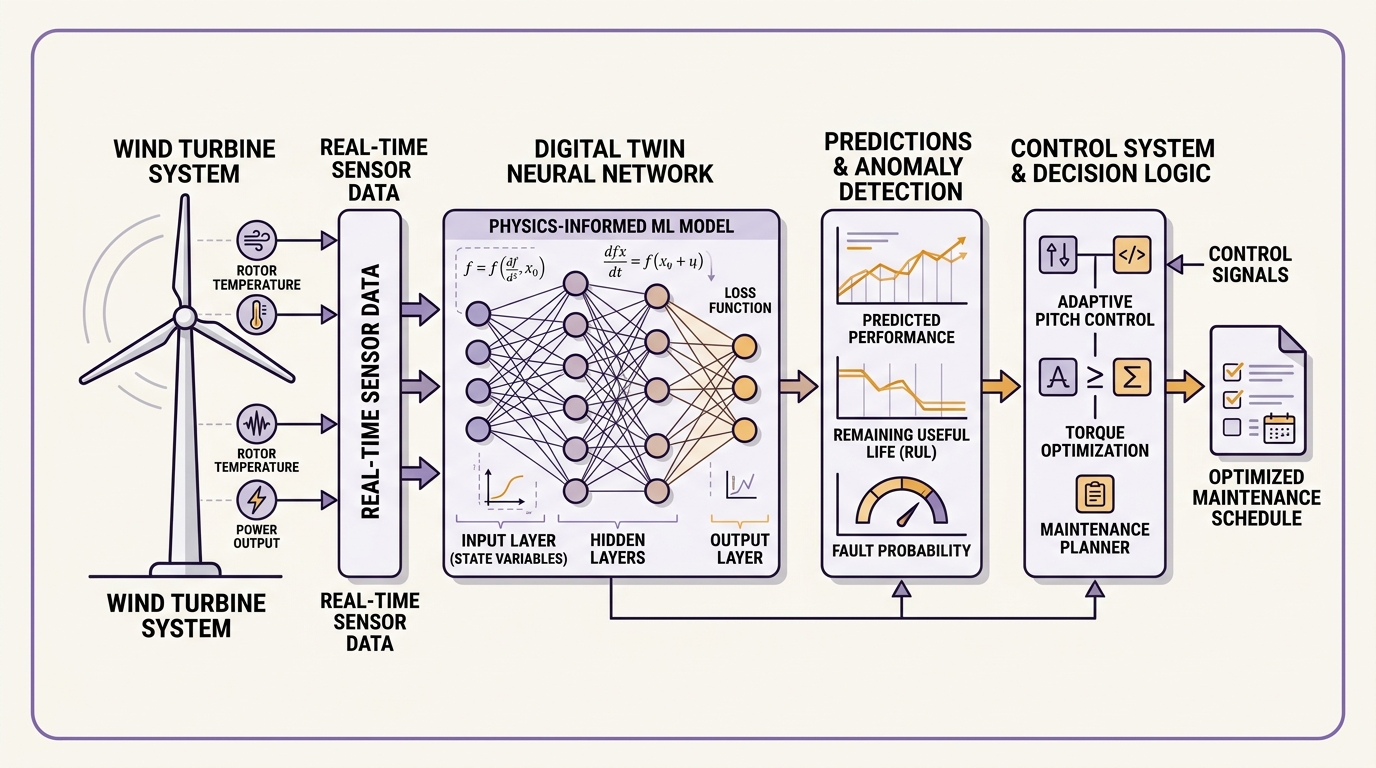
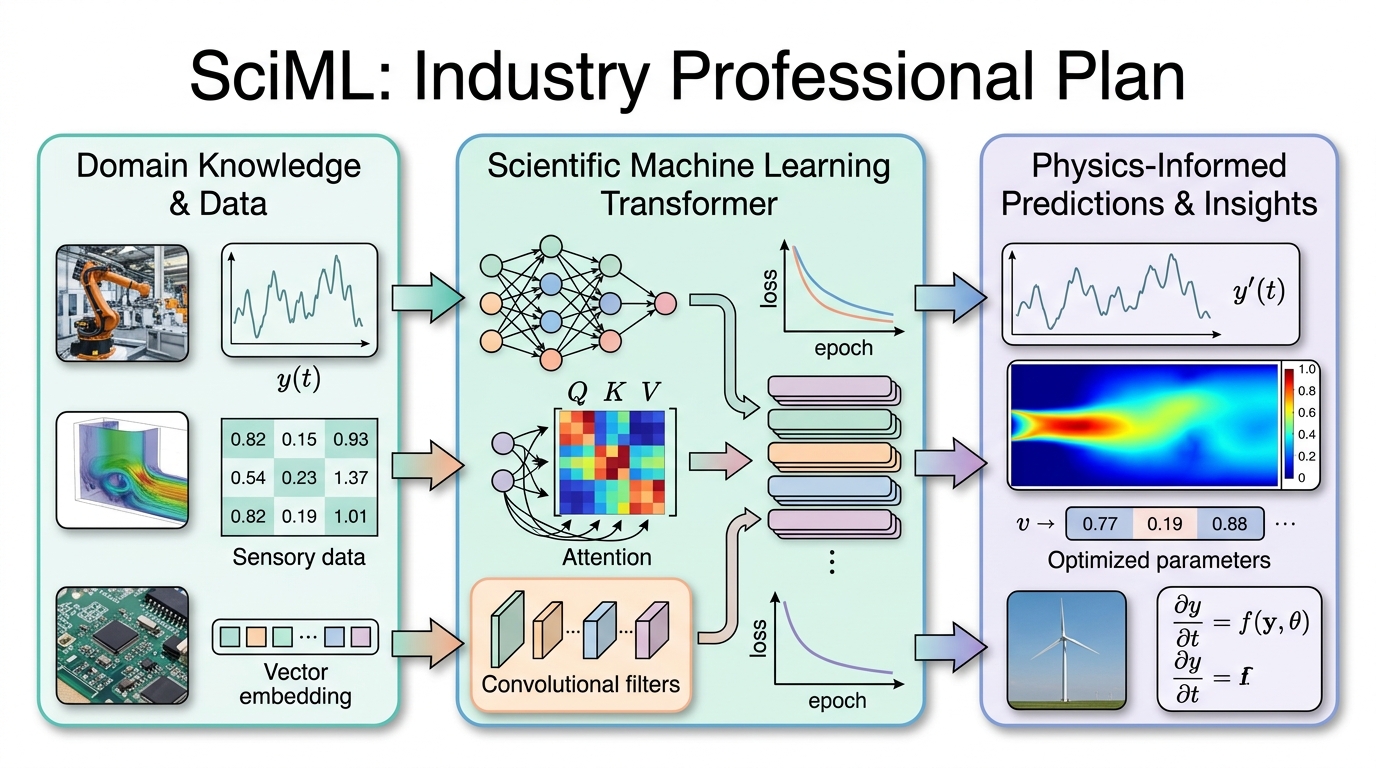
SciML Bootcamp: Industry Professional Plan
About This Course Publish a paper in Scientific ML | MIT, Purdue PhDs as your industry advisors | GenAI, LLM advice After this course: (1) You will understand how AI can be applied in your industry, in your everyday workflow. (2) You will understand how GenAI, LLMs are revolutionizing industries. (3) You would have published a first author paper in the field of Scientific Machine Learning. What will you learn from this course: (1) Why and How Scientific Machine Learning can help you transition to ML? (2) Understanding the Julia Programming Language (3) Understanding the fundamental building blocks of Scientific ML (4) Perform 2 hands on projects using Scientific ML which you can add to your resume: (a) Covid-19 modeling project (b) Black hole visualization project (5) Roadmap to convert results into research papers (6) How can GenAI and LLMs be integrated in industries? What you will get during this course: (1) Lifetime access to all videos, codefiles, homework assignments (2) Access to bootcamp community on Discord (3) Assignment checking, doubt clearance to lectures/assignments (4) Free access to all ML webinars conducted throughout the year (5) Access to open list of research problems in SciML (6) 4 month personalized guidance in doing research on the topic (7) Publishing the research in conferences/journals (8) AI in industry: Lectures on Generative AI, LLMs (9) Industry AI doubt clearance forums (10) We will act as advisors for AI integration in your industry. Email us at hello@flyvidesh if interested in more details, and we will respond within 24 hours.
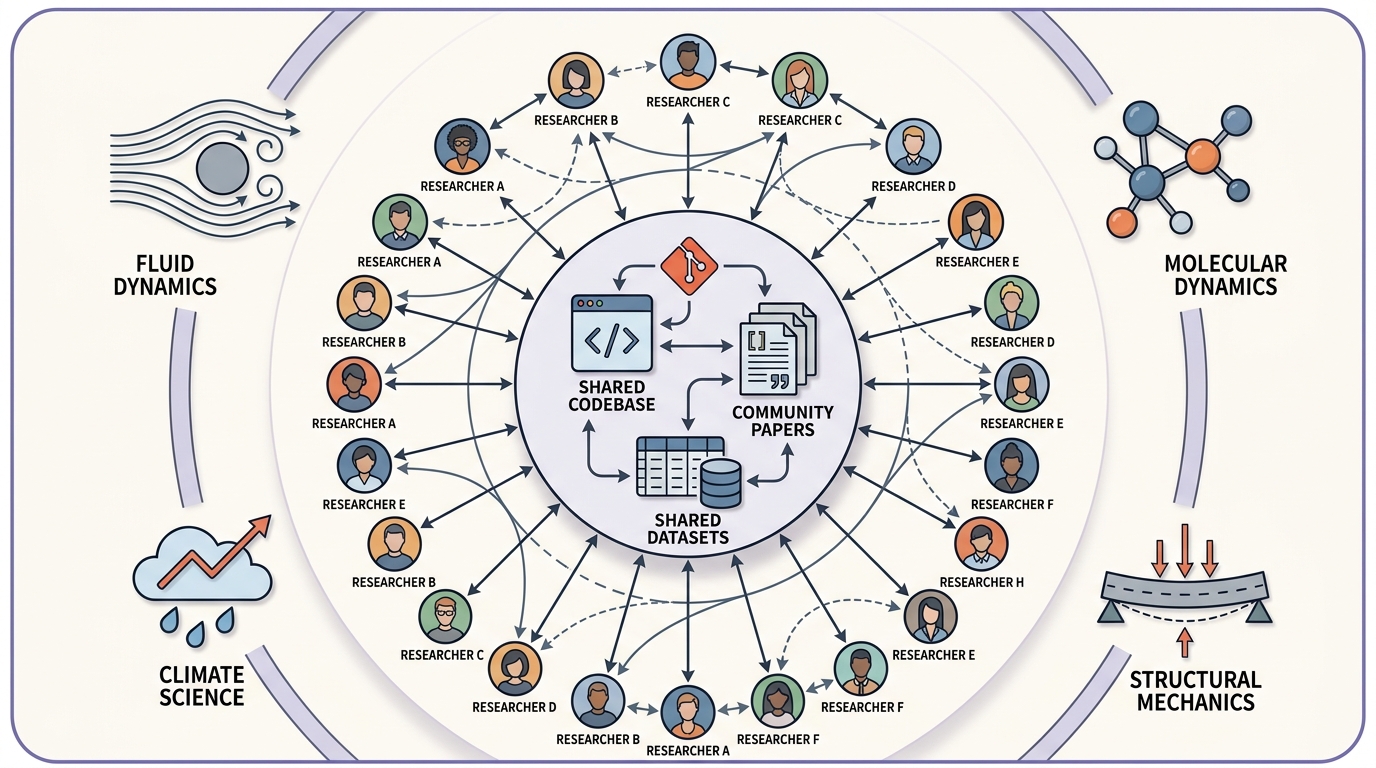
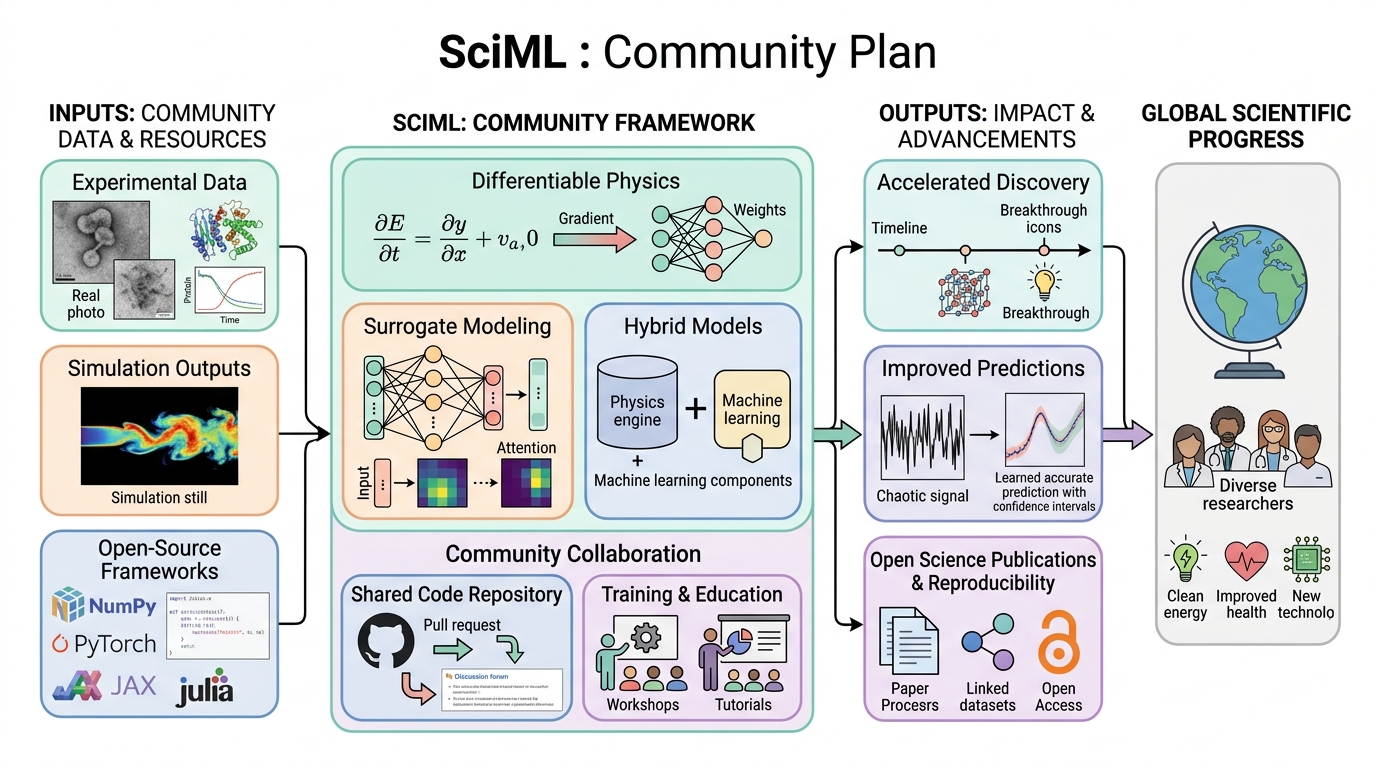
SciML Bootcamp: Community Plan
About This Course Learn Scientific ML from MIT PhDs and IIT Madras graduates. We learnt this for 4 years at MIT. You get it all in this course. After this course: (1) You will confidently make a transition to machine learning (ML), as a complete beginner. (2) You will learn a new field of Scientific Machine Learning from MIT PhDs (3) You would have done 2 impactful, hands on ML projects to your resume (4) You will learn the path to convert ML results into research publications (6) You will get access to a community of collaborators with whom you can share your learnings and even start a research project together! What will you learn from this course: (1) Why and How Scientific Machine Learning can help you transition to ML? (2) Understanding the Julia Programming Language (3) Understanding the fundamental building blocks of Scientific ML (4) Perform 2 hands on projects using Scientific ML which you can add to your resume: (a) Covid-19 modeling project (b) Black hole visualization project (5) Roadmap to convert results into research papers What you will get during this course: (1) Lifetime access to all videos, codefiles, homework assignments (2)Access to bootcamp community on Discord (3) Student collaborations on Discord --> potential publications (4) Assignment checking, doubt clearance to lectures/assignments (5) Free access to all ML webinars conducted throughout the year Email us at hello@flyvidesh if interested in more details, and we will respond within 24 hours.
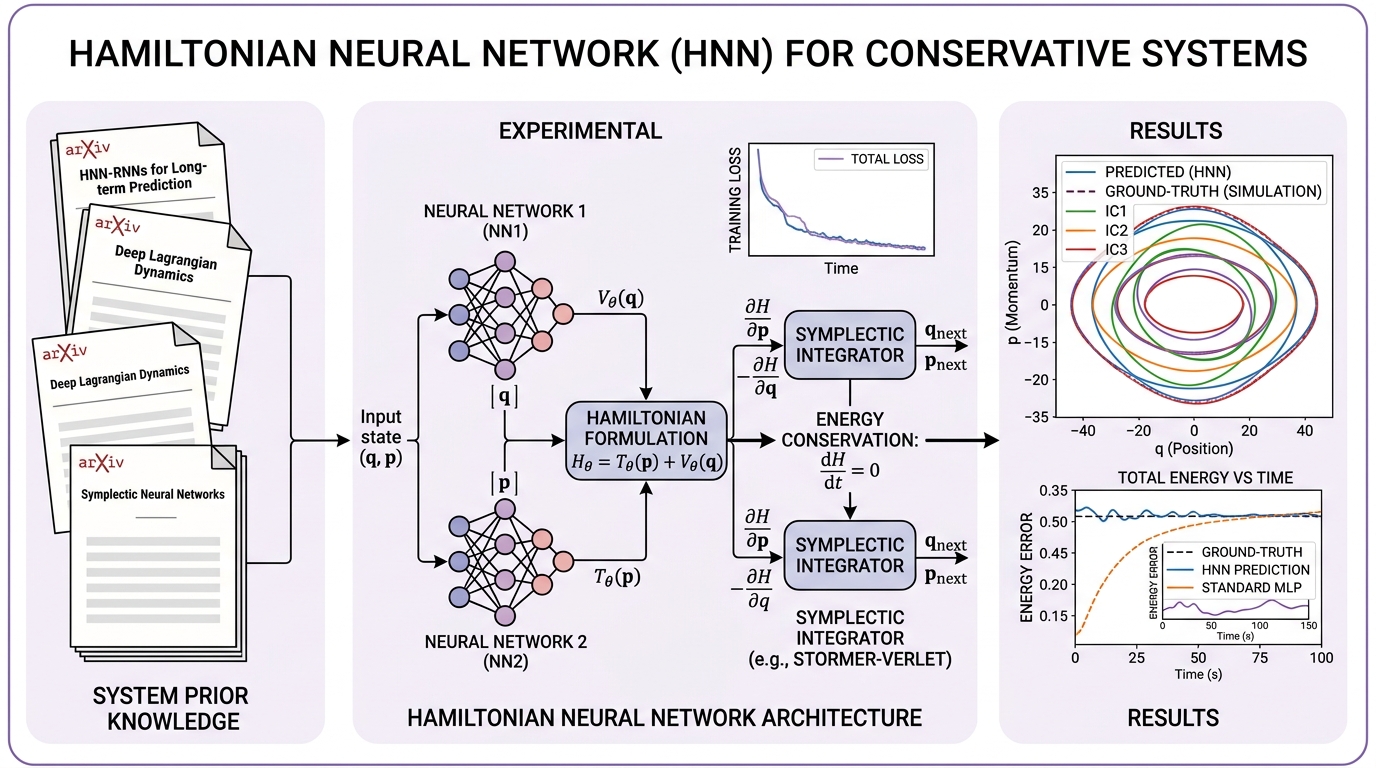
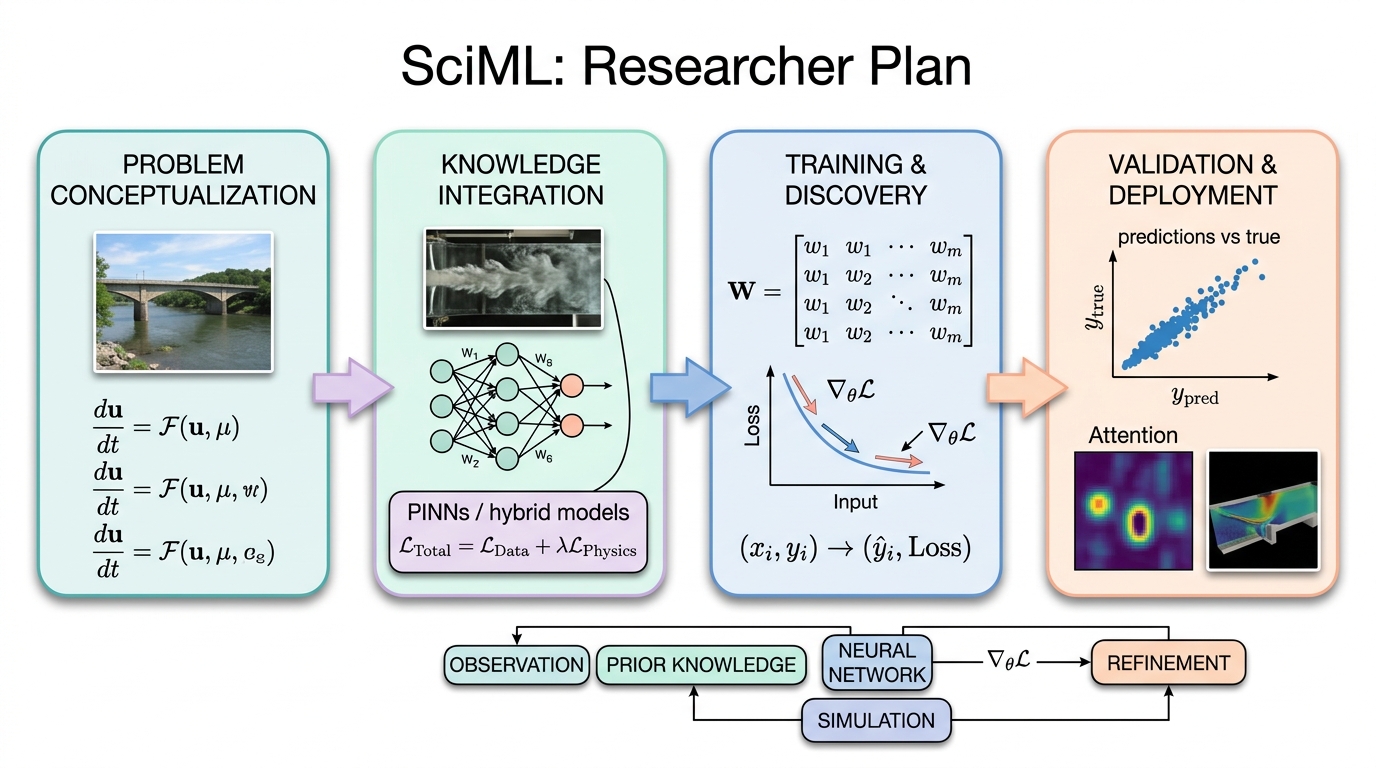
SciML Bootcamp: Researcher Plan
About This Course Publish a paper in Scientific ML with MIT, Purdue PhDs. After this course: (1) You would have published a first author paper in the field of Scientific Machine Learning. (2) You would have added this publication to your CV, boosting your profile by 5-10 X. (3) This would highly increase your chances of getting into top graduate schools. What will you learn from this course: (1) Why and How Scientific Machine Learning can help you transition to ML? (2) Understanding the Julia Programming Language (3) Understanding the fundamental building blocks of Scientific ML (4) Perform 2 hands on projects using Scientific ML which you can add to your resume: (a) Covid-19 modeling project (b) Black hole visualization project (5) Roadmap to convert results into research papers What you will get during this course: (1) Lifetime access to all videos, codefiles, homework assignments (2) Assignment checking, doubt clearance to lectures/assignments (3) Free access to all ML webinars conducted throughout the year (4) Access to open list of research problems in SciML (5) Selection of research topic (6) 3-4 month personalized guidance in doing research on the topic (7) Publishing the research in conferences/journals Email us at hello@flyvidesh if interested in more details, and we will respond within 24 hours.
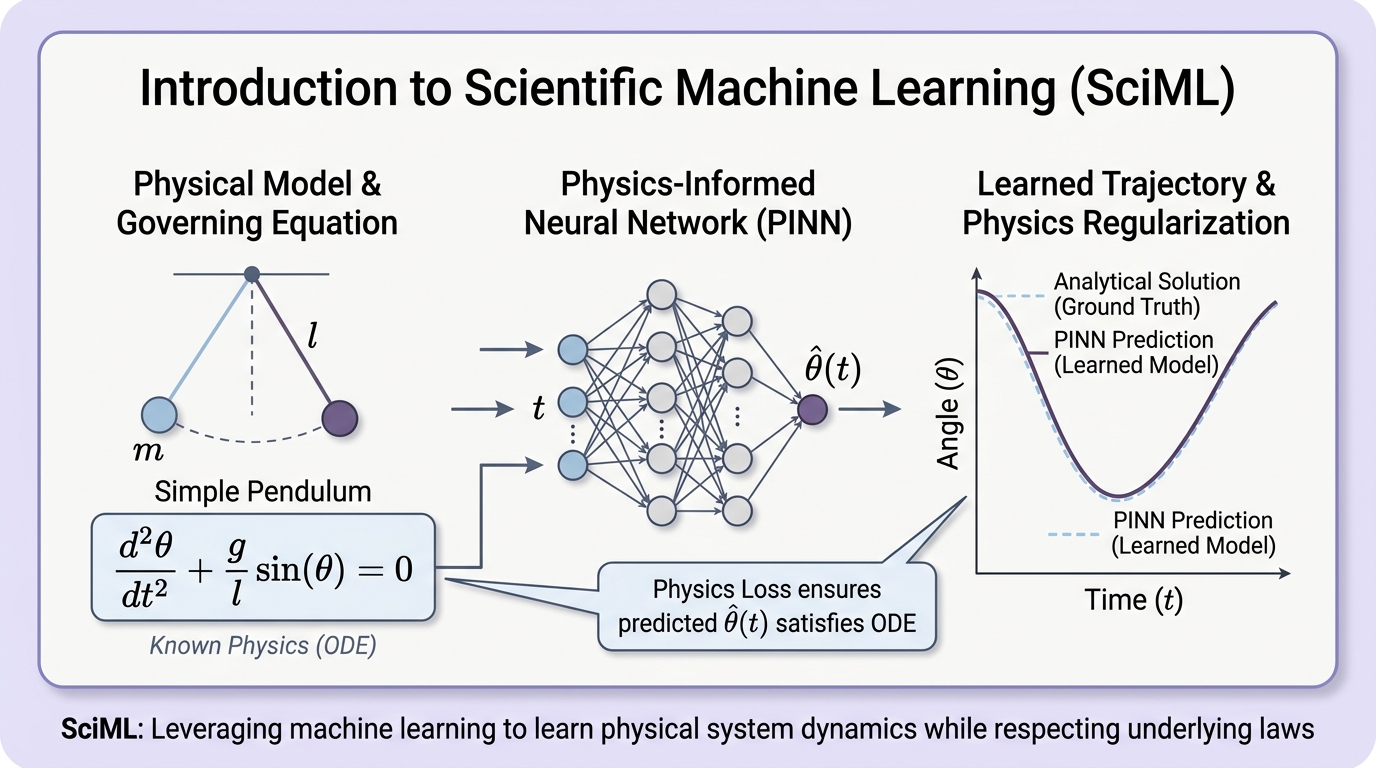
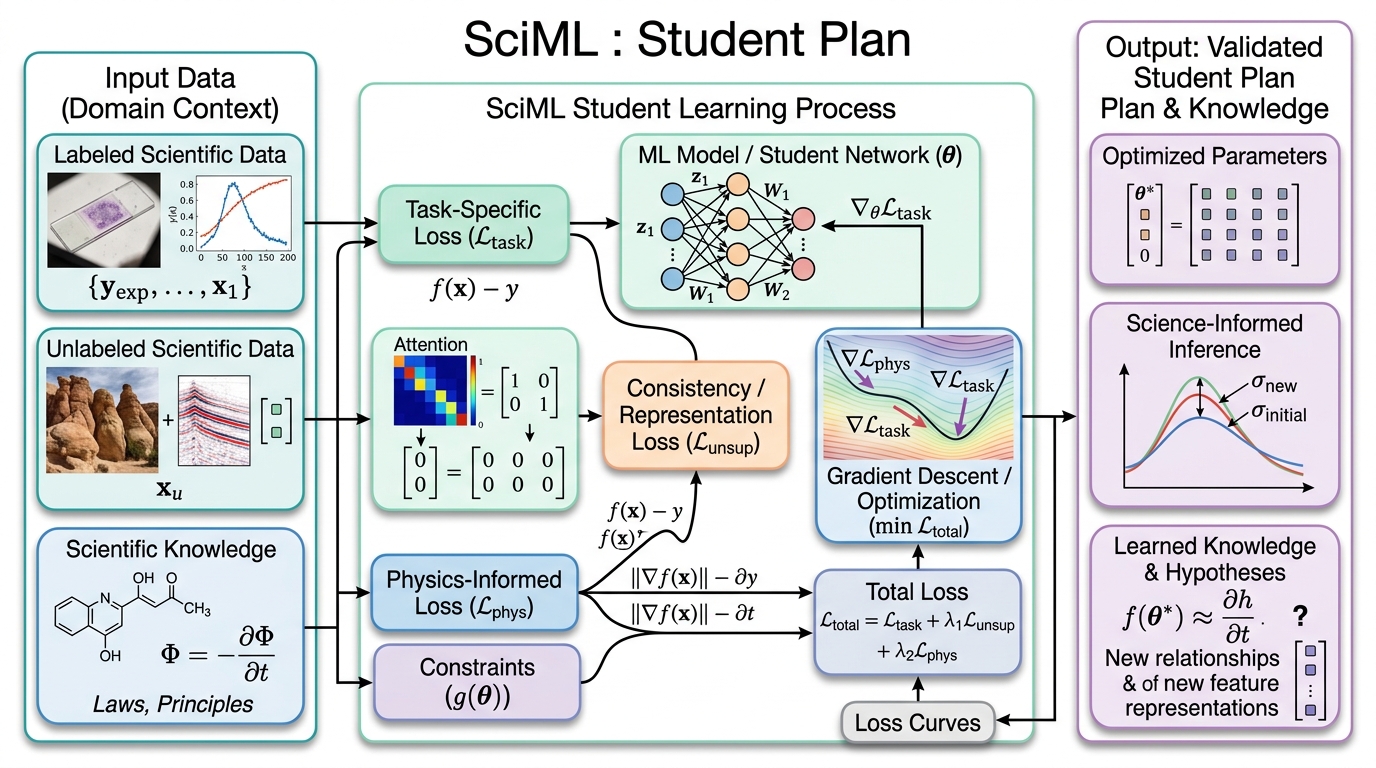
SciML Bootcamp: Student Plan
Learn Scientific ML from MIT PhDs and IIT Madras graduates. We learnt this for 4 years at MIT. You get it all in this course. After this course: (1) You will confidently make a transition to machine learning (ML), as a complete beginner. (2) You will learn a new field of Scientific Machine Learning from MIT PhDs (3) You would have done 2 impactful, hands on ML projects to your resume (4) You will learn the path to convert ML results into research publications What will you learn from this course: (1) Why and How Scientific Machine Learning can help you transition to ML? (2) Understanding the Julia Programming Language (3) Understanding the fundamental building blocks of Scientific ML (4) Perform 2 hands on projects using Scientific ML which you can add to your resume: (a) Covid-19 modeling project (b) Black hole visualization project (5) Roadmap to convert results into research papers What you will get during this course: (1) Lifetime access to all videos, codefiles, homework assignments Email us at hello@flyvidesh if interested in more details, and we will respond within 24 hours.
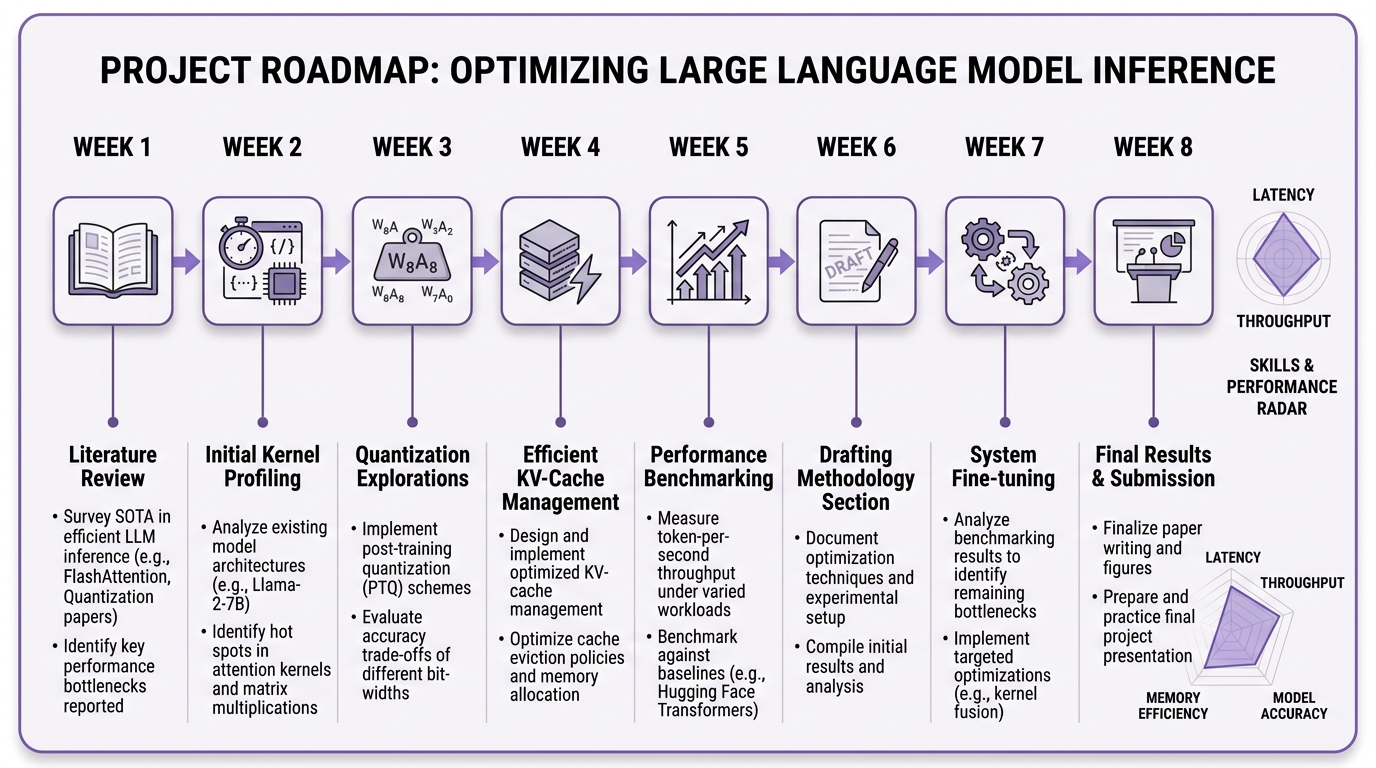
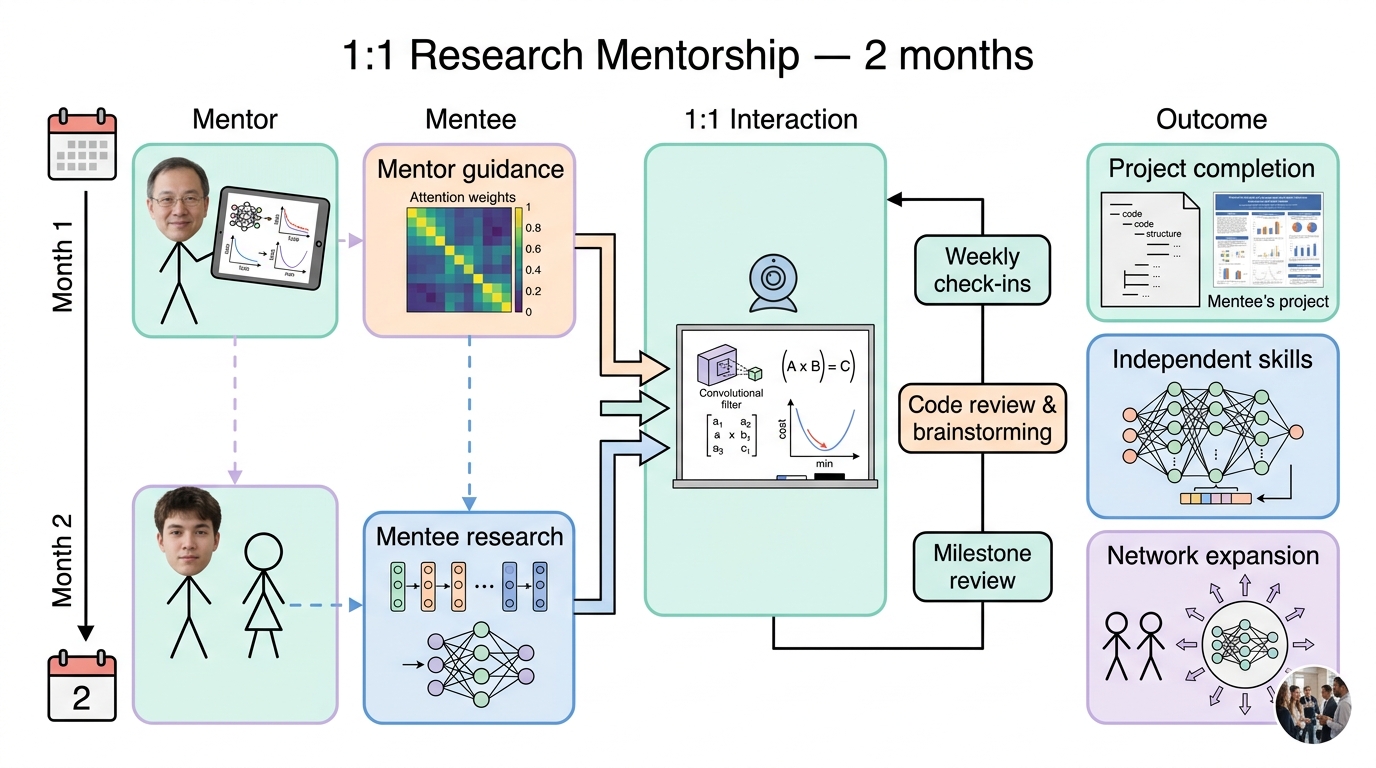
[Inference Engineering Workshop] 1:1 Research Mentorship — 2 months (Yash Dixit)
[Inference Engineering Workshop] 1:1 Research Mentorship — 2 months (Yash Dixit)
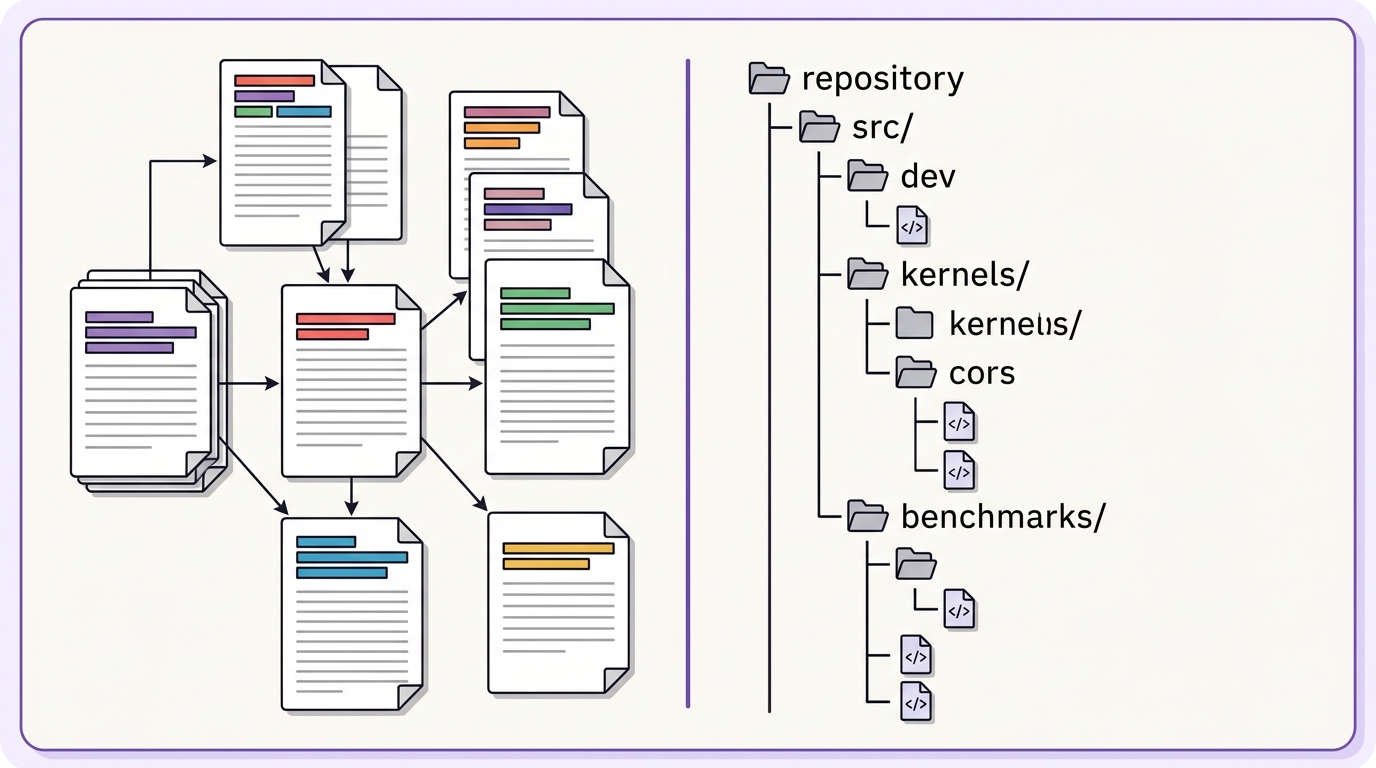
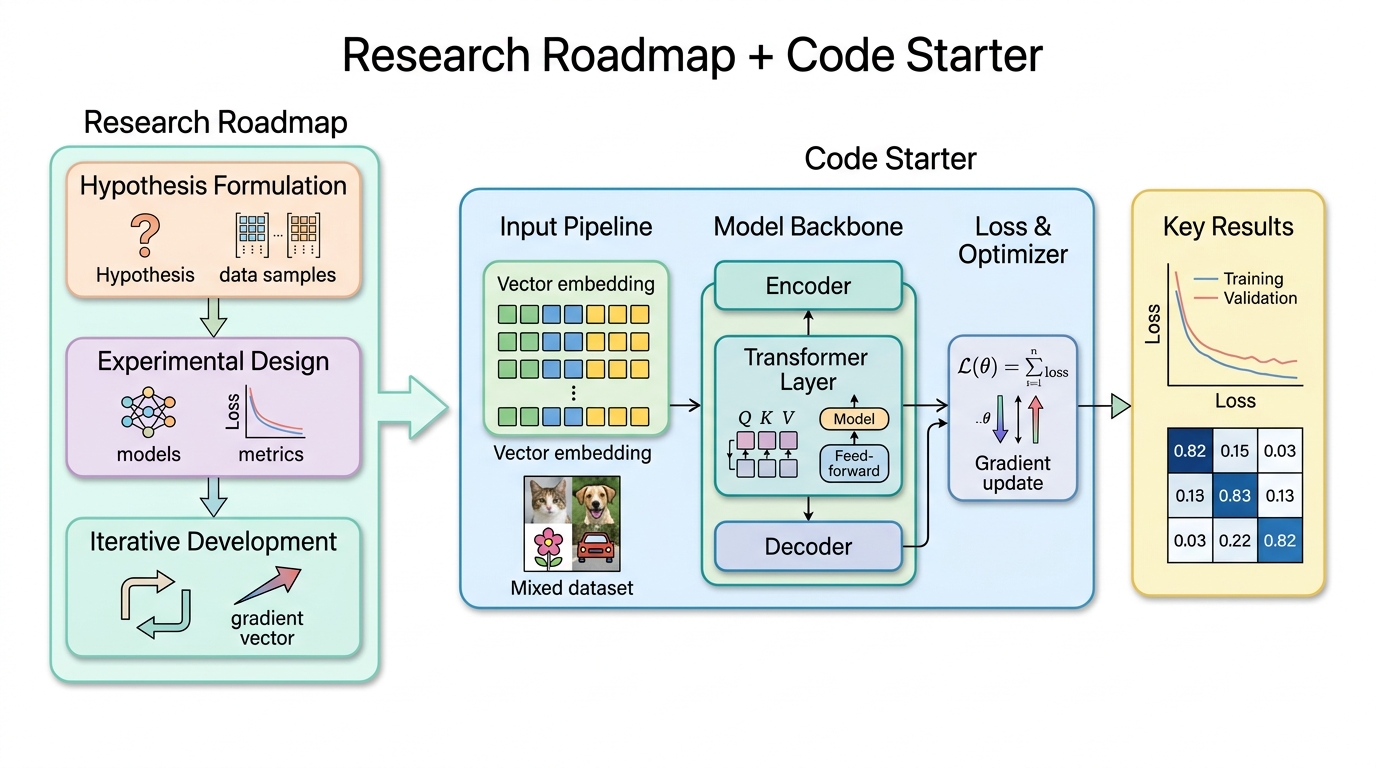
[Inference Engineering Workshop] Research Roadmap + Code Starter
[Inference Engineering Workshop] Research Roadmap + Code Starter
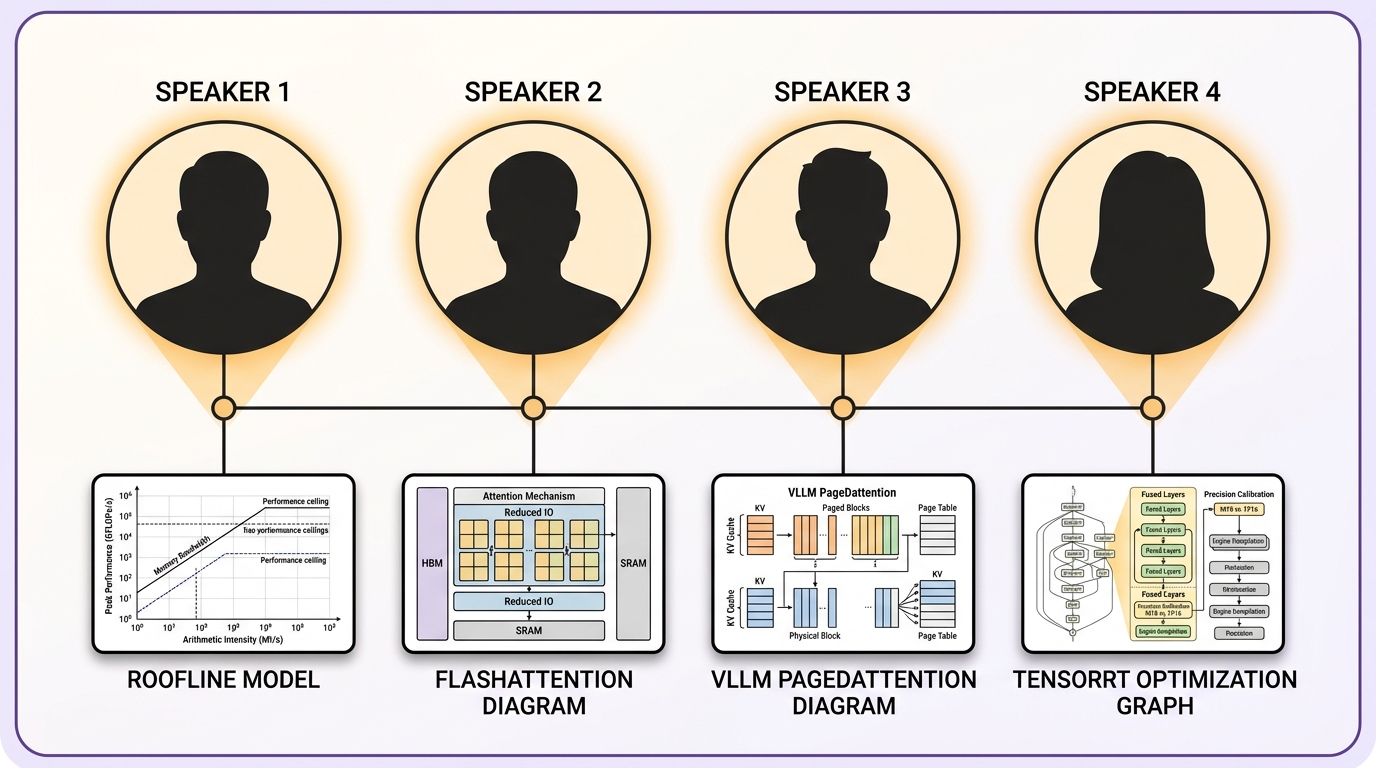
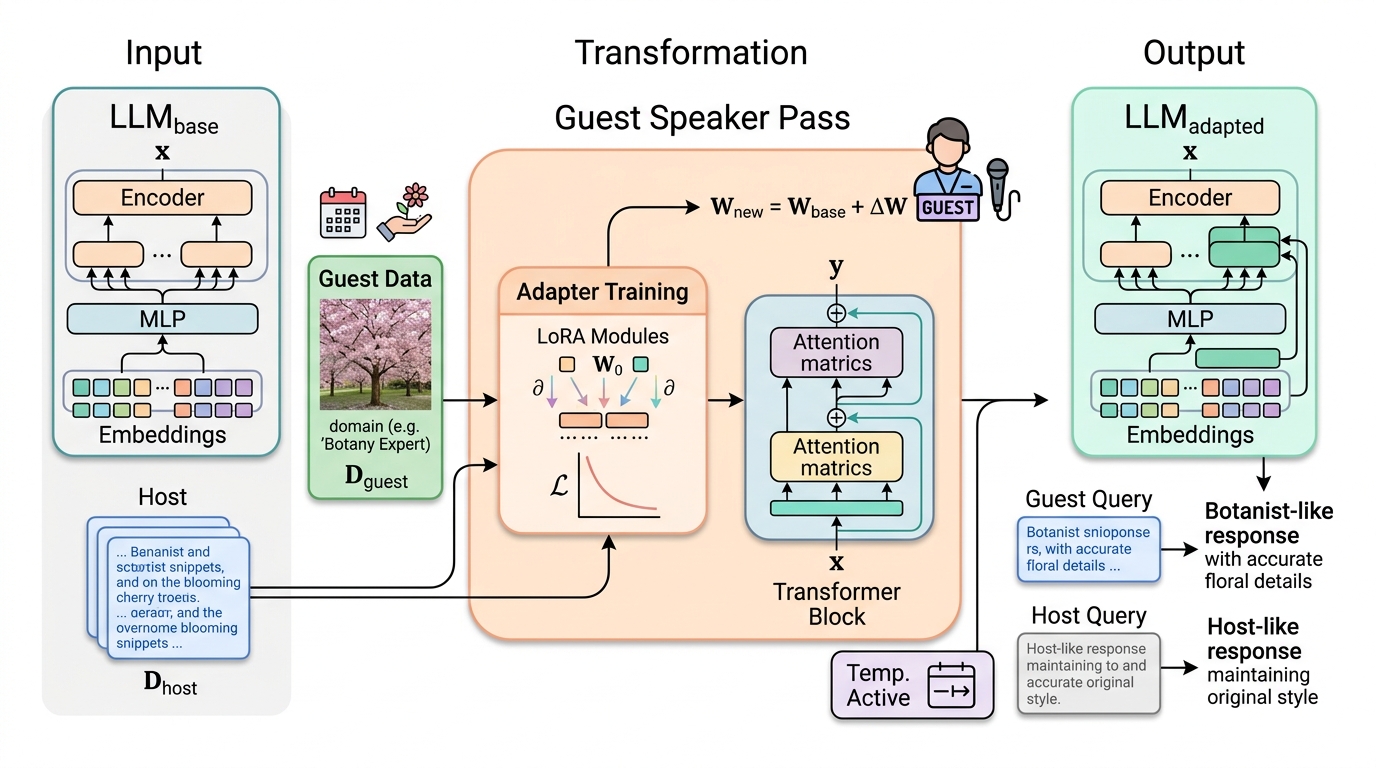
[Inference Engineering Workshop] Guest Speaker Pass
[Inference Engineering Workshop] Guest Speaker Pass
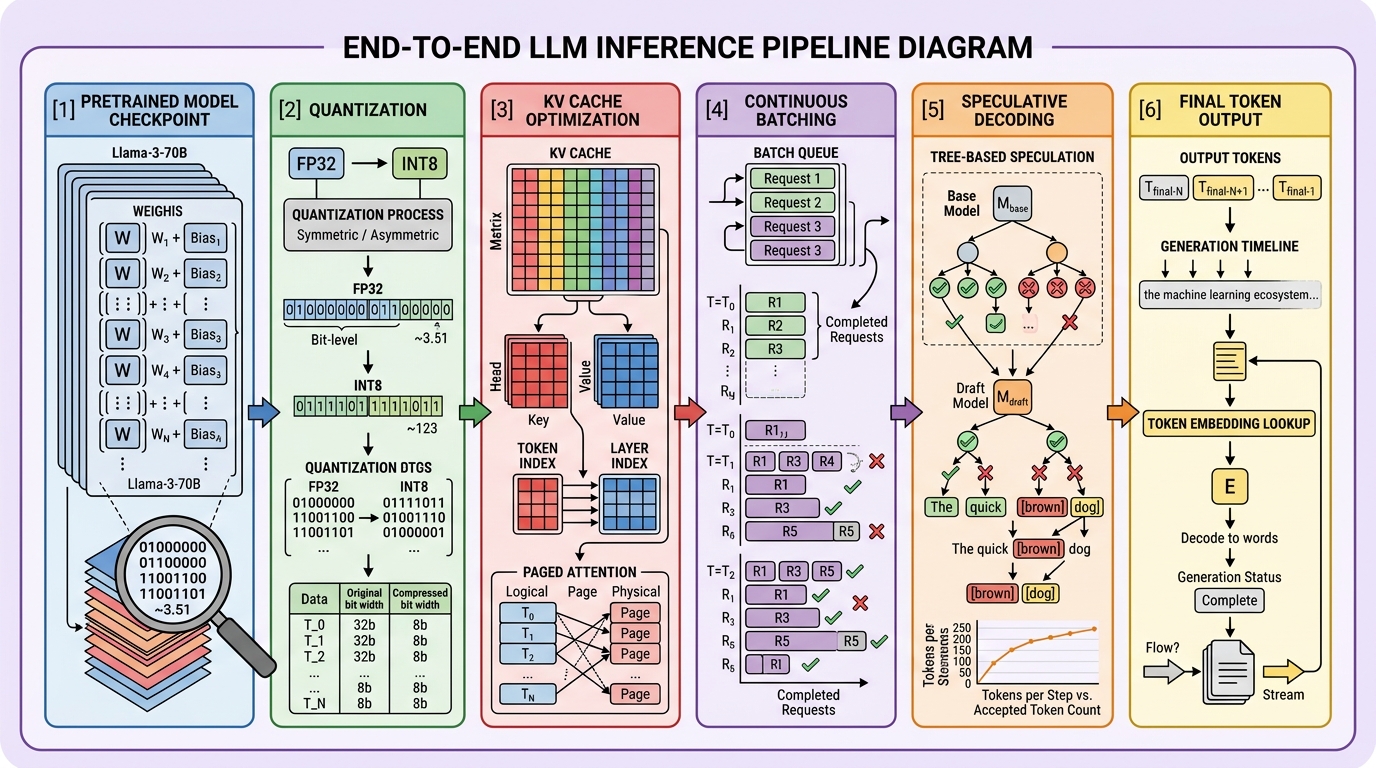
[Inference Engineering Workshop] Phase 1 + Phase 2 (both)
[Inference Engineering Workshop] Phase 1 + Phase 2 (both)
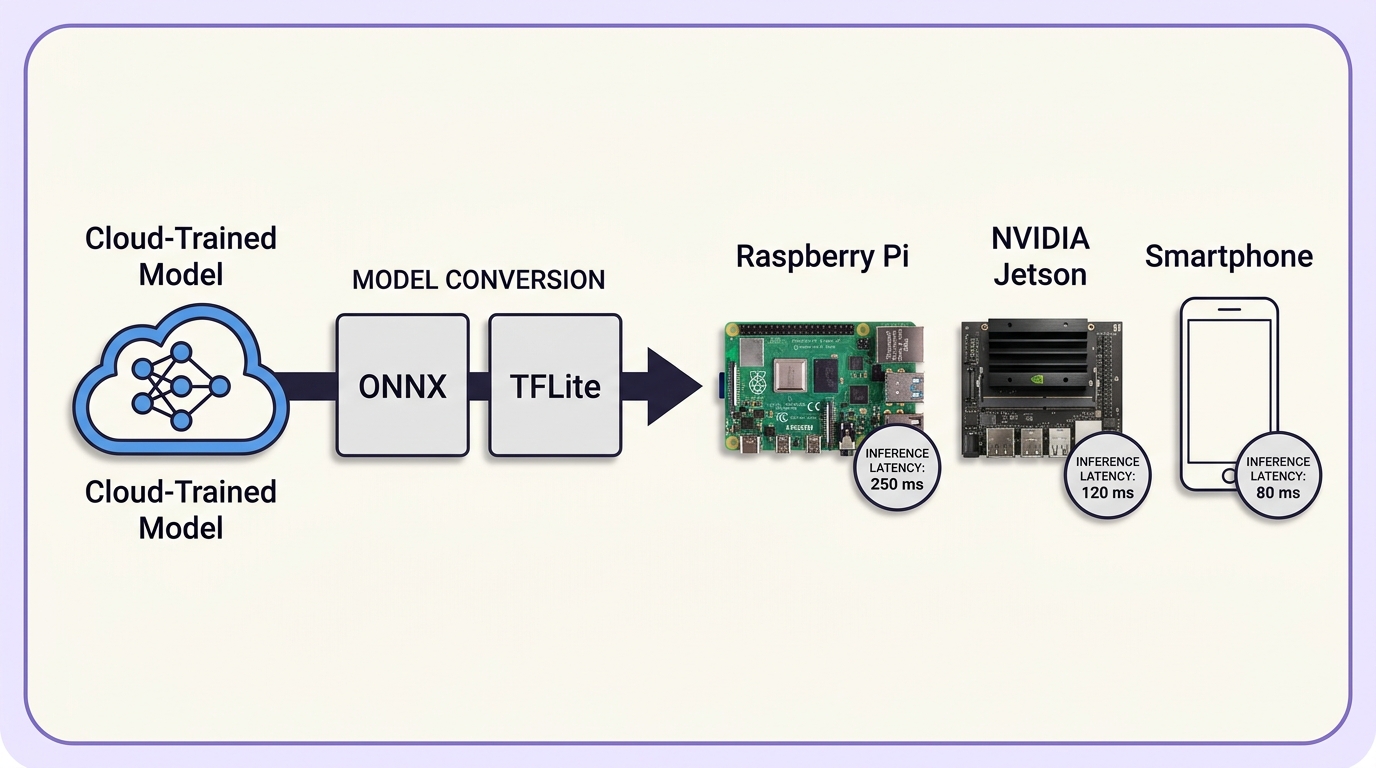
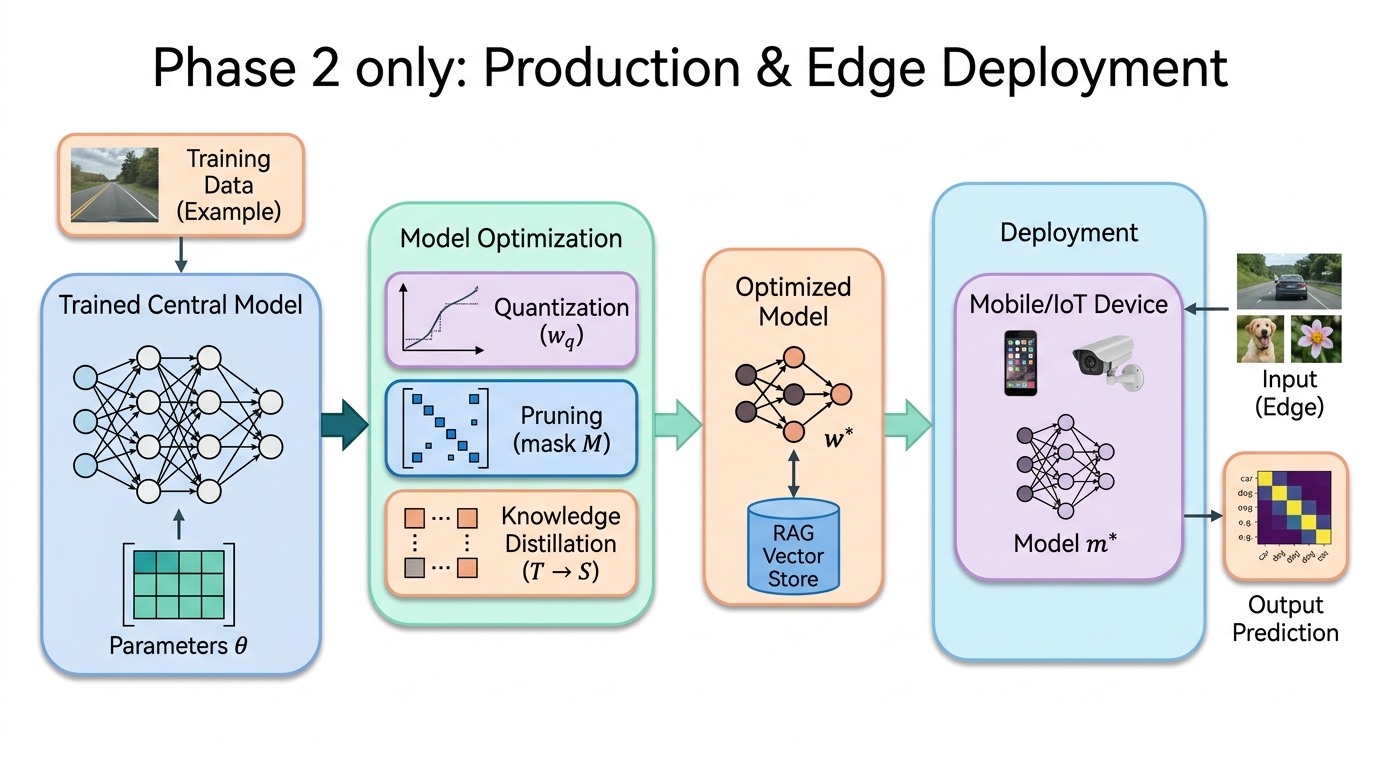
[Inference Engineering Workshop] Phase 2 only: Production & Edge Deployment
[Inference Engineering Workshop] Phase 2 only: Production & Edge Deployment
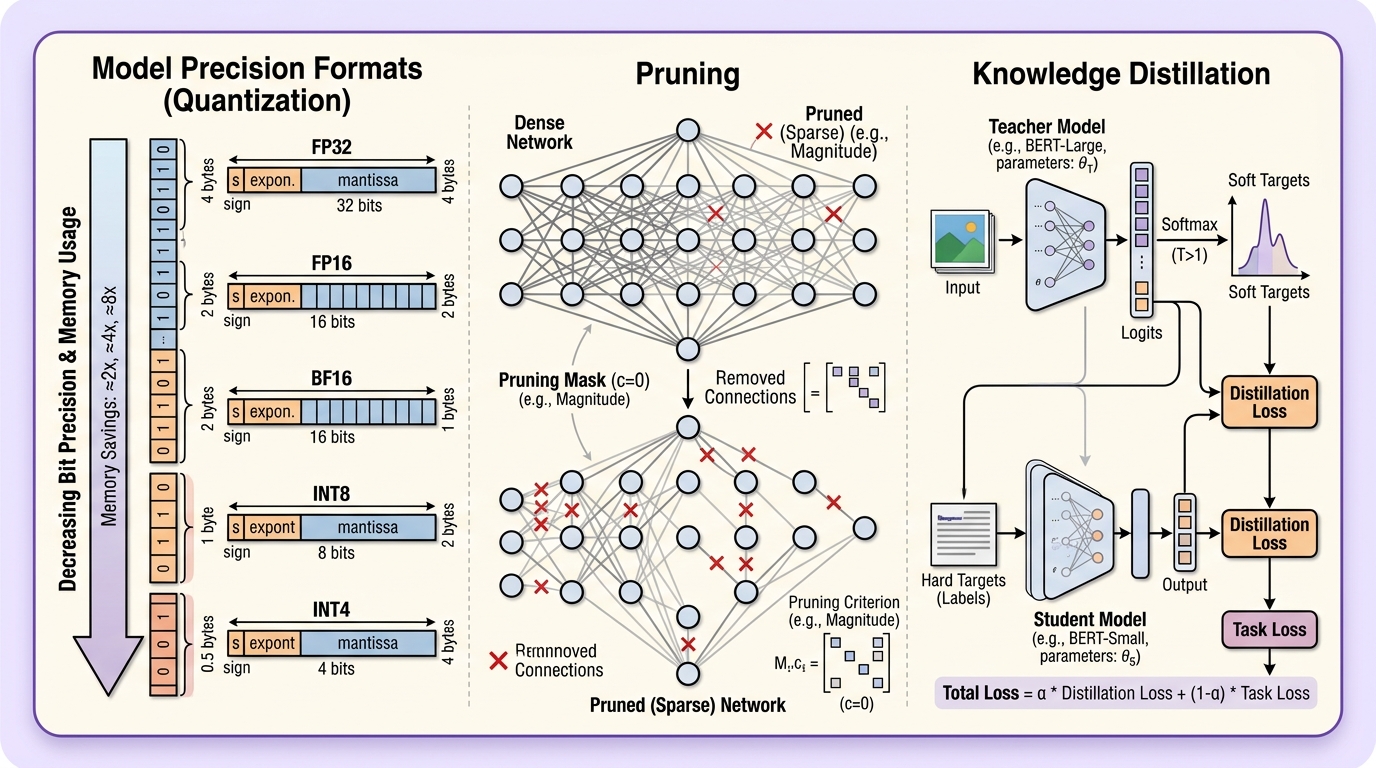
[Inference Engineering Workshop] Phase 1 only : Foundations & Optimization
[Inference Engineering Workshop] Phase 1 only : Foundations & Optimization
Vision-Language-Action for Autonomous Driving [Research]
vision-language-action-for-autonomous-driving-research
VLA Models & World Models for Robotics (Researcher)
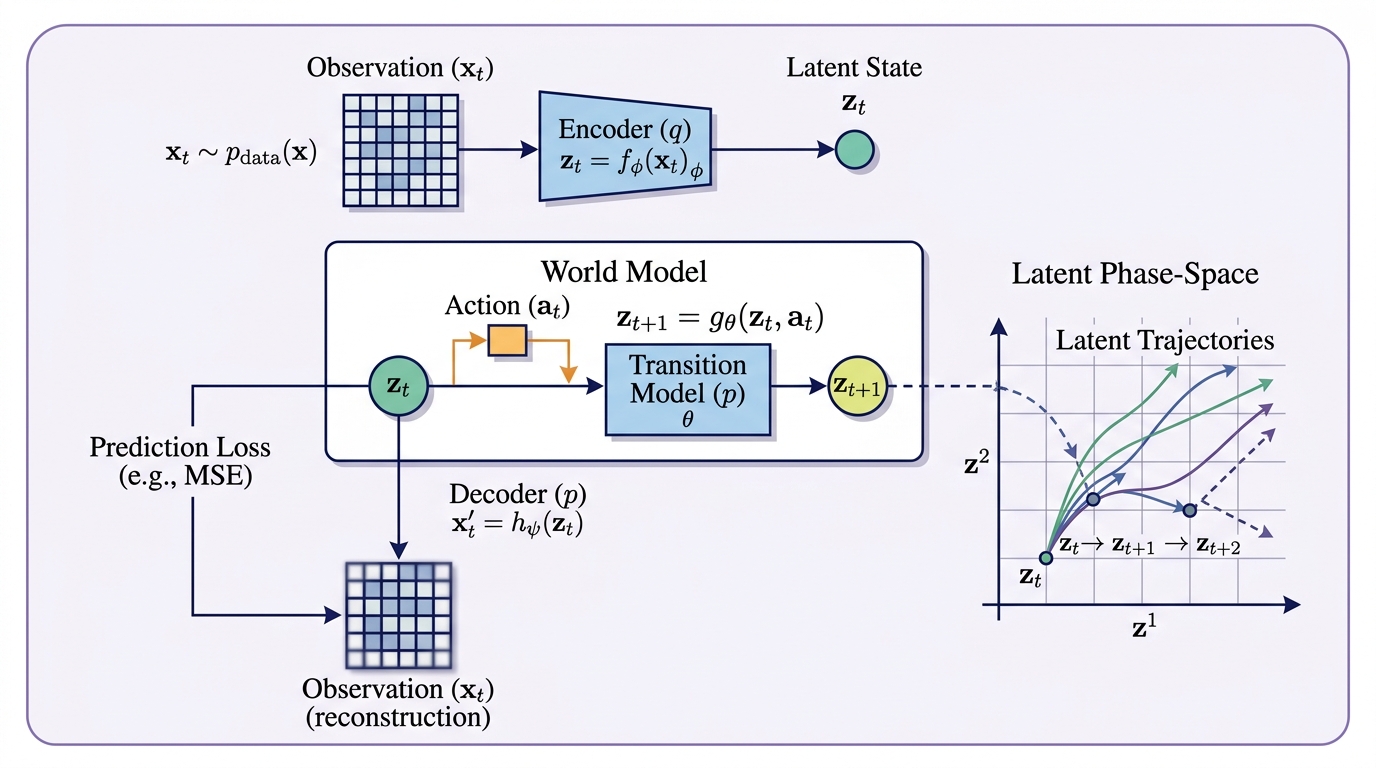
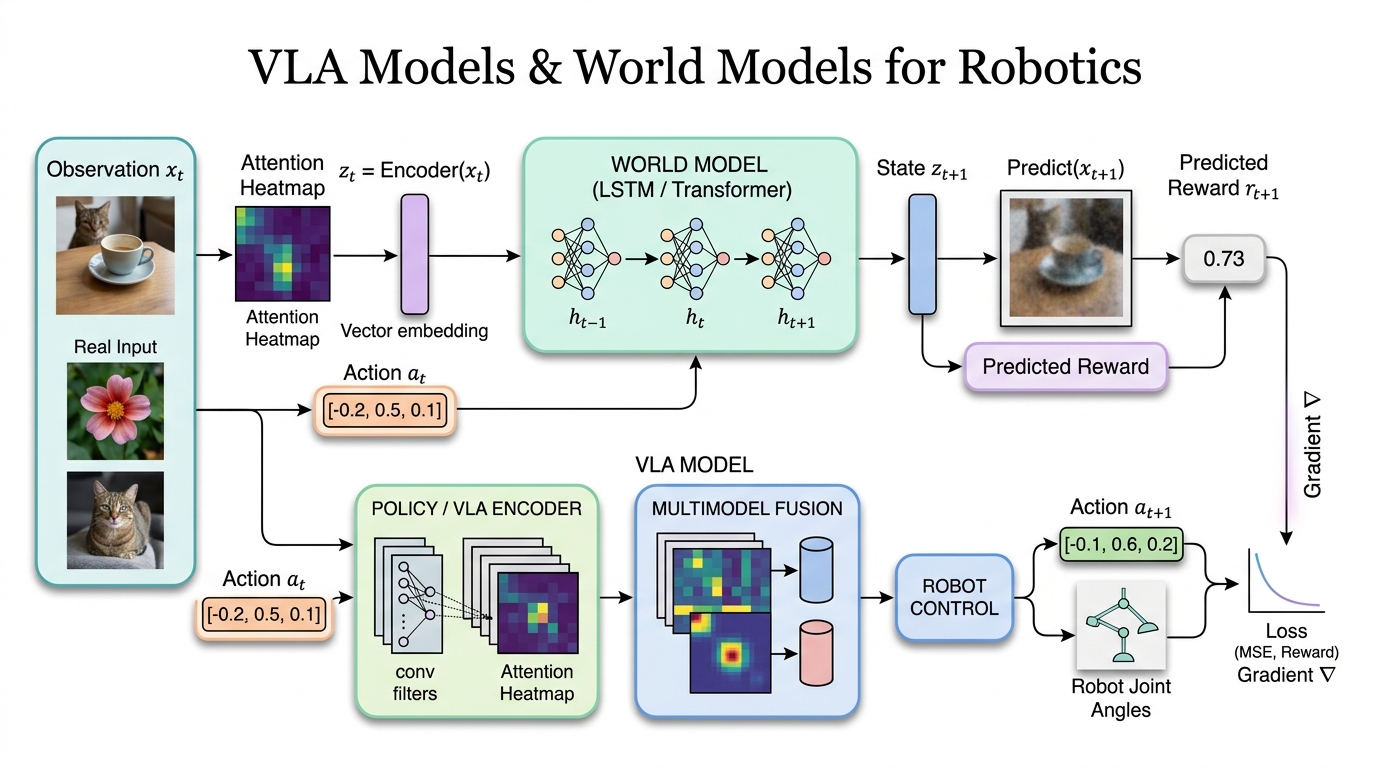
An 8-lecture hands-on bootcamp where you'll learn to build, deploy, and experiment with Vision-Language-Action models, Diffusion Policy, and World Models on a real SO-101 robot arm. From first principles to real hardware.
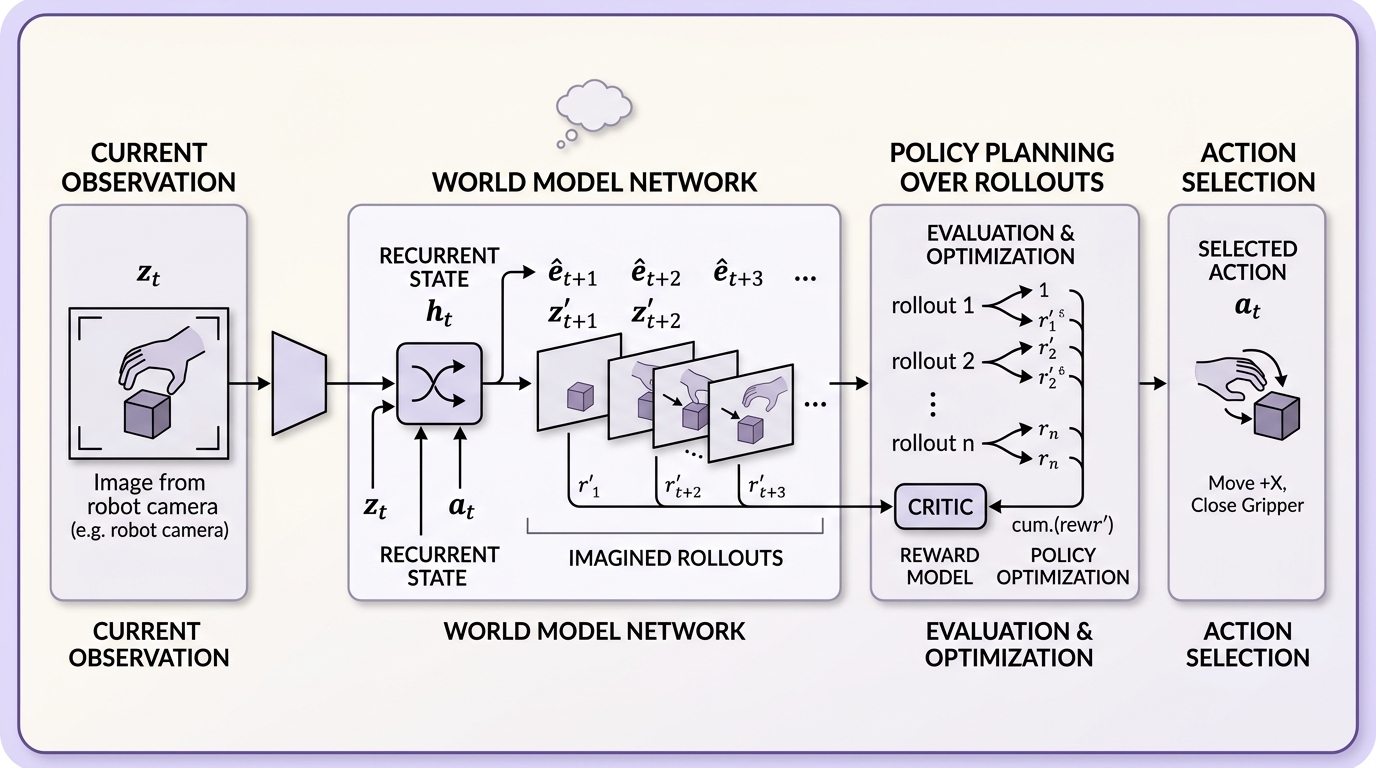
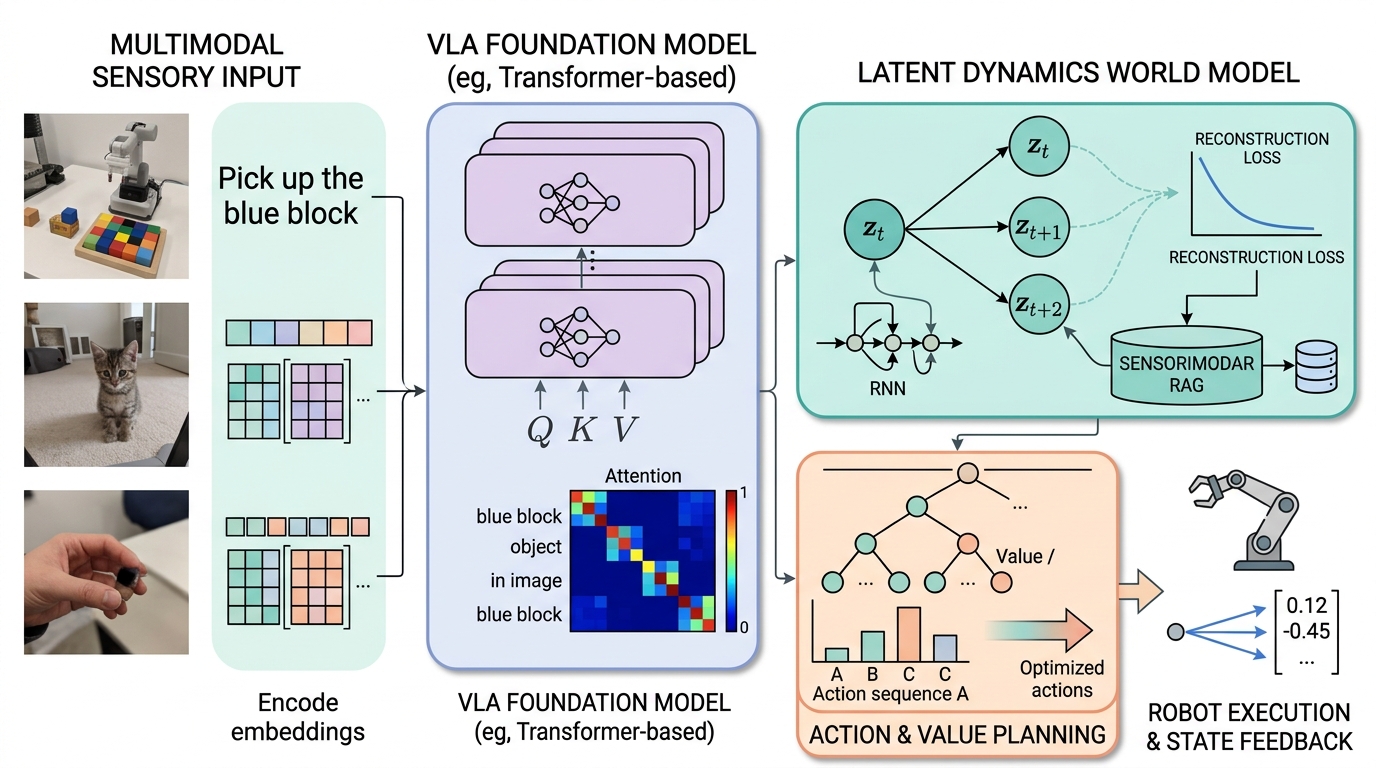
VLA Models & World Models for Robotics (Engineer)
An 8-lecture hands-on bootcamp where you'll learn to build, deploy, and experiment with Vision-Language-Action models, Diffusion Policy, and World Models on a real SO-101 robot arm. From first principles to real hardware.
The Modern Software Developer
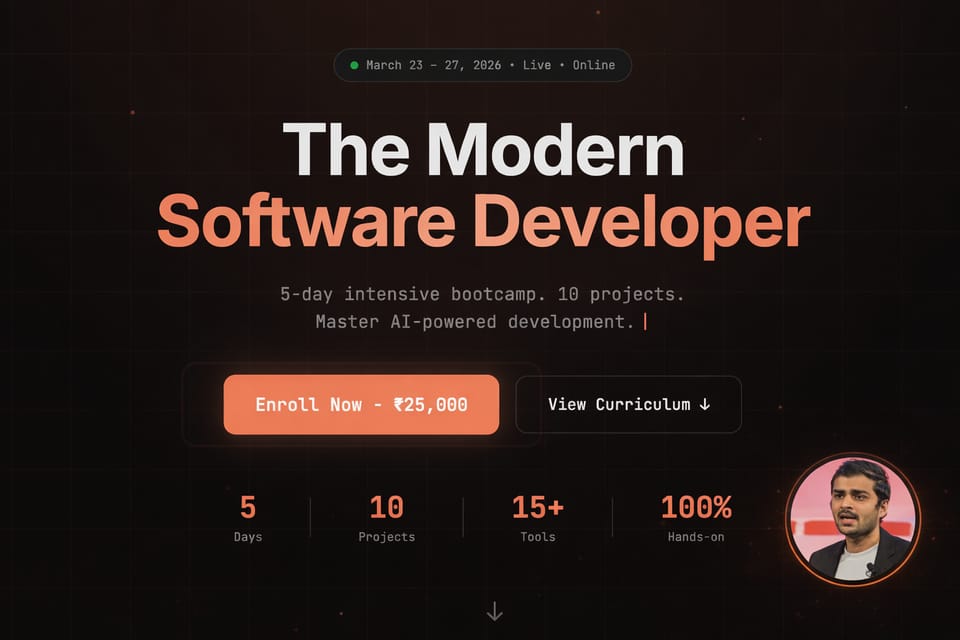
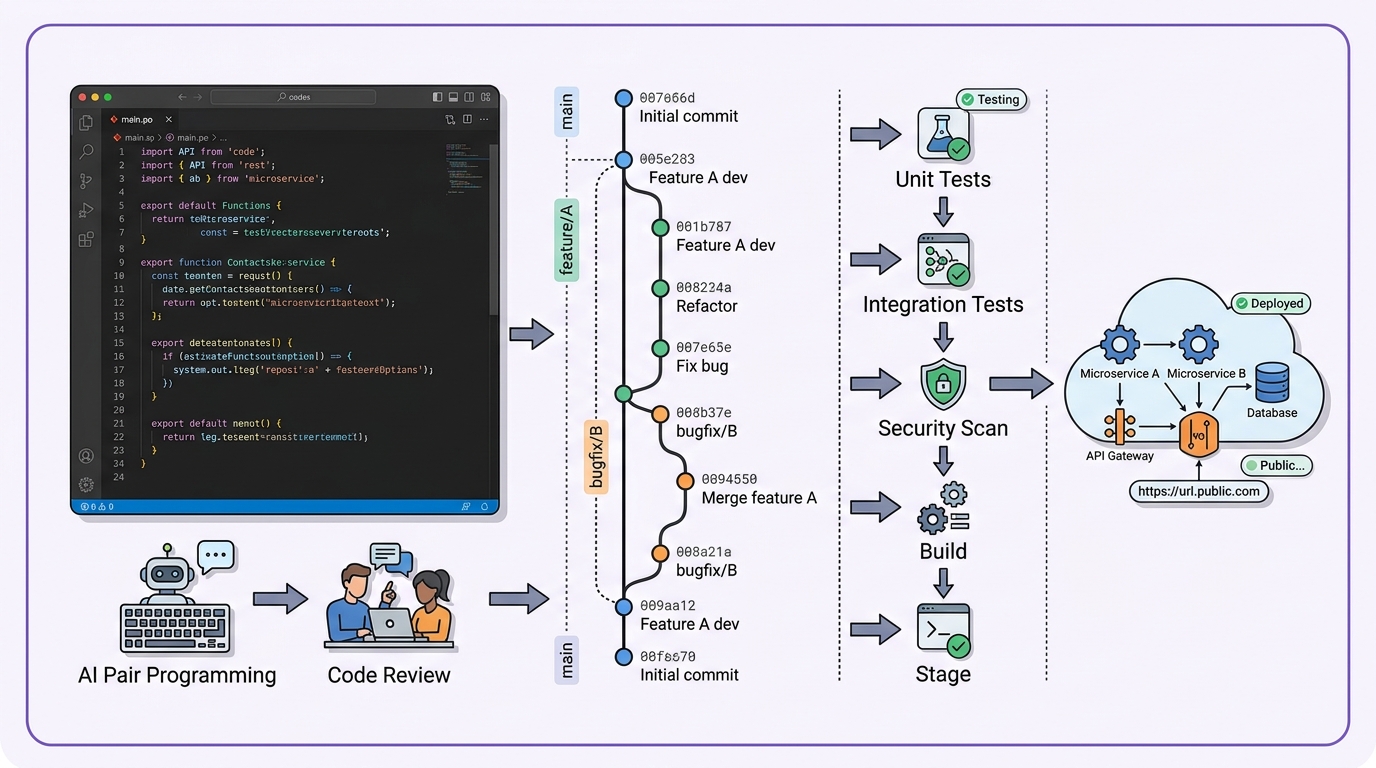
The Modern Software Developer course offers a comprehensive curriculum designed for individuals looking to advance their skills in cutting-edge software development practices, making it ideal for both aspiring and seasoned developers eager to harness the power of modern tools. Participants will explore the evolution of software development, emphasizing the integration of AI-driven tools to enhance the speed and efficiency of coding. The course covers essential topics such as PRD-driven development using coding agents, MCP servers for efficient integration reuse, security practices for deployment, and CI/CD pipelines with a focus on cloud services like AWS. Students will learn how to effectively utilize AI agents in the development cycle, employ security hardening methods, and implement robust infrastructure using Docker and Terraform. Through a mix of video lectures, interactive guides, and hands-on projects, students will gain practical experience and insights into transforming ideas into production-ready products. The course also provides resources like a complete guide to building Claude skills and preparation materials for the Claude Certified Architect exam, ensuring students are well-equipped for industry standards.
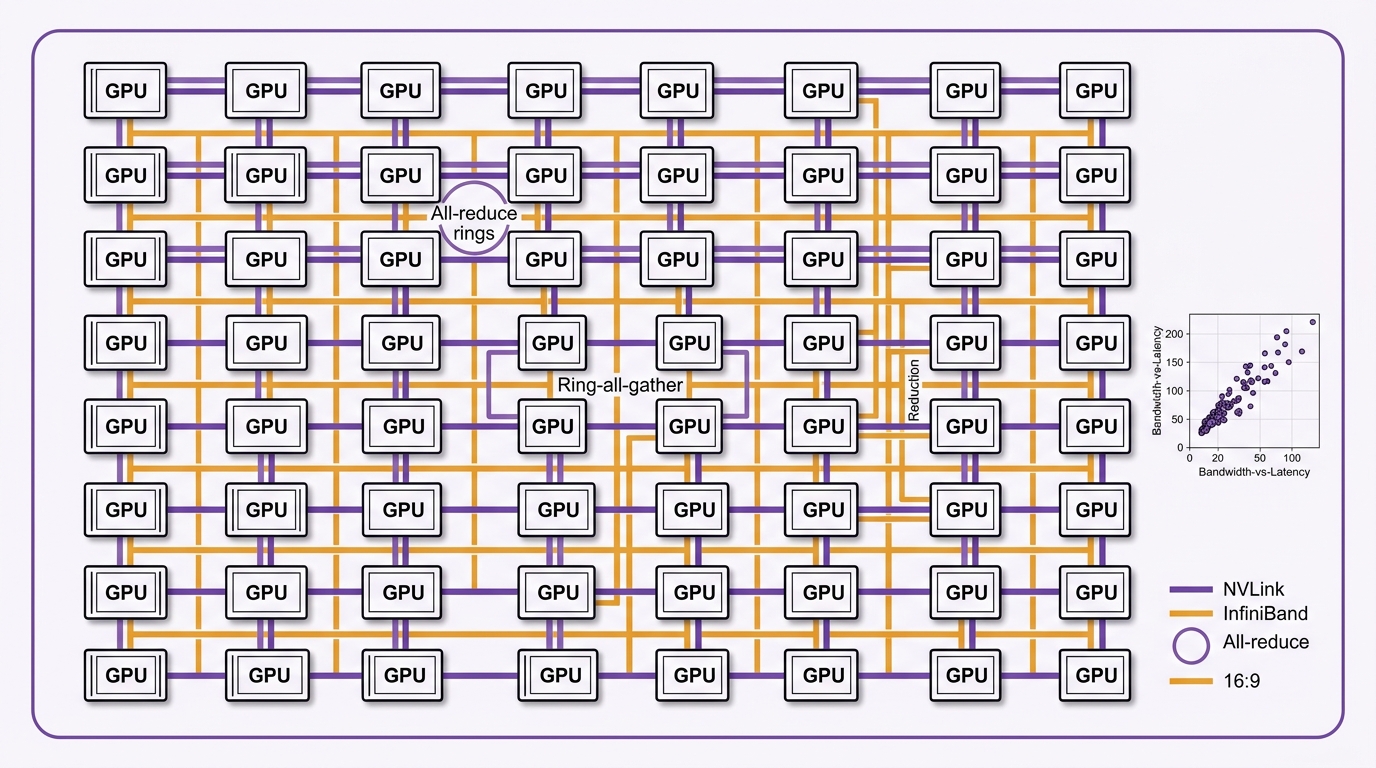
5D Parallelism Workshop: Industry Plan
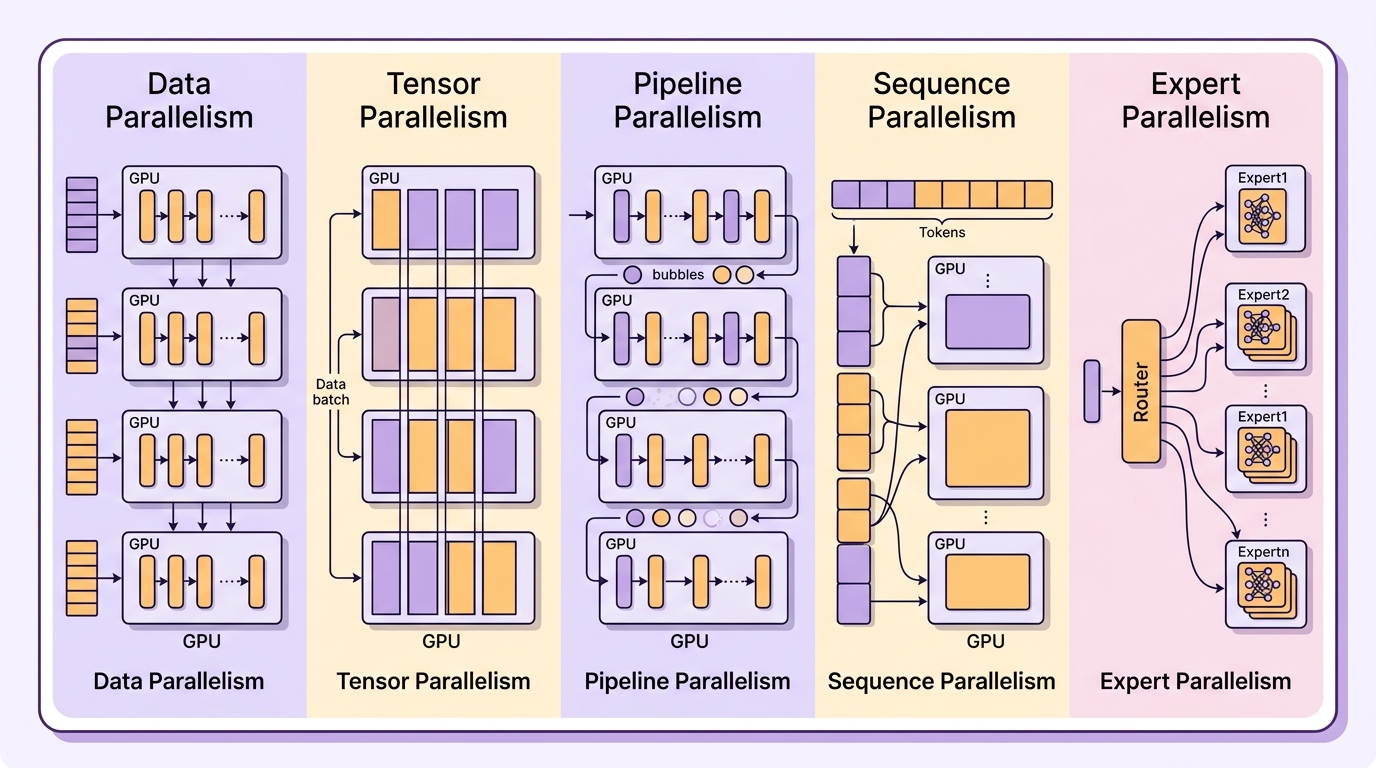
In this bootcamp, we will master the essentials of GPU parallelism for large language models. What you will learn: 1. Data Parallelism — distribute batches across GPUs 2. Tensor Parallelism — split model layers across GPUs 3. Pipeline Parallelism — split model stages into pipeline 4. Sequence Parallelism — distribute sequence length across GPUs 5. Context Parallelism — distribute attention context across GPUs 🔥You will replicate the entire HuggingFace Ultra Scale Playbook from scratch, then build and distribute GPT-2 across a cluster of GPUs — the exact skills used at OpenAI, Google DeepMind, and Meta FAIR. In the Industry plan, you get access to the following: - Lecture notes - Code files - Website walkthroughs - Community access - Research problem selection - Personalized research mentorship - Geared towards a possible publication
5D Parallelism Workshop: Engineer Plan
In this bootcamp, we will master the essentials of GPU parallelism for large language models. What you will learn: 1. Data Parallelism — distribute batches across GPUs 2. Tensor Parallelism — split model layers across GPUs 3. Pipeline Parallelism — split model stages into pipeline 4. Sequence Parallelism — distribute sequence length across GPUs 5. Context Parallelism — distribute attention context across GPUs 🔥You will replicate the entire HuggingFace Ultra Scale Playbook from scratch, then build and distribute GPT-2 across a cluster of GPUs — the exact skills used at OpenAI, Google DeepMind, and Meta FAIR. In the Engineer plan, you also get access to lecture notes, code files, website walkthroughs, and community access.
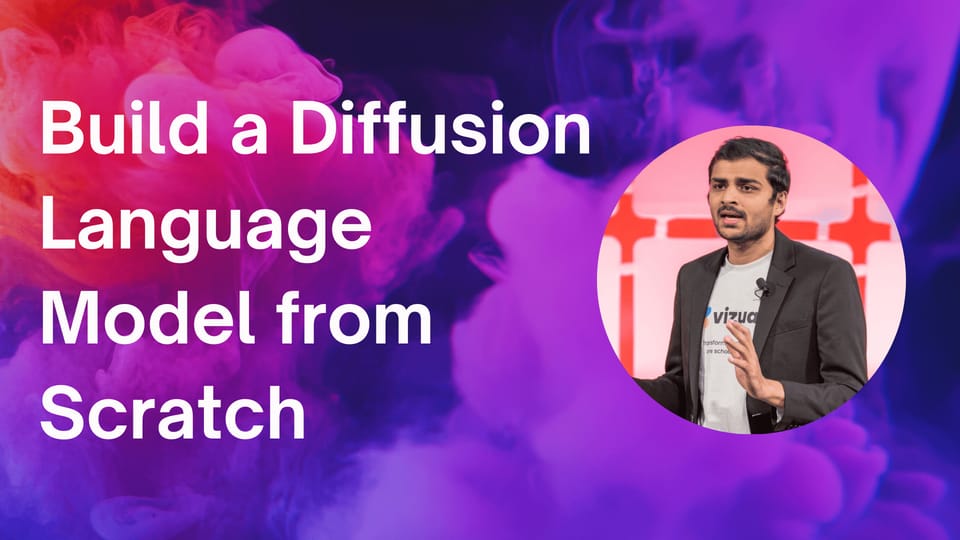
Build a Diffusion Language Model from Scratch
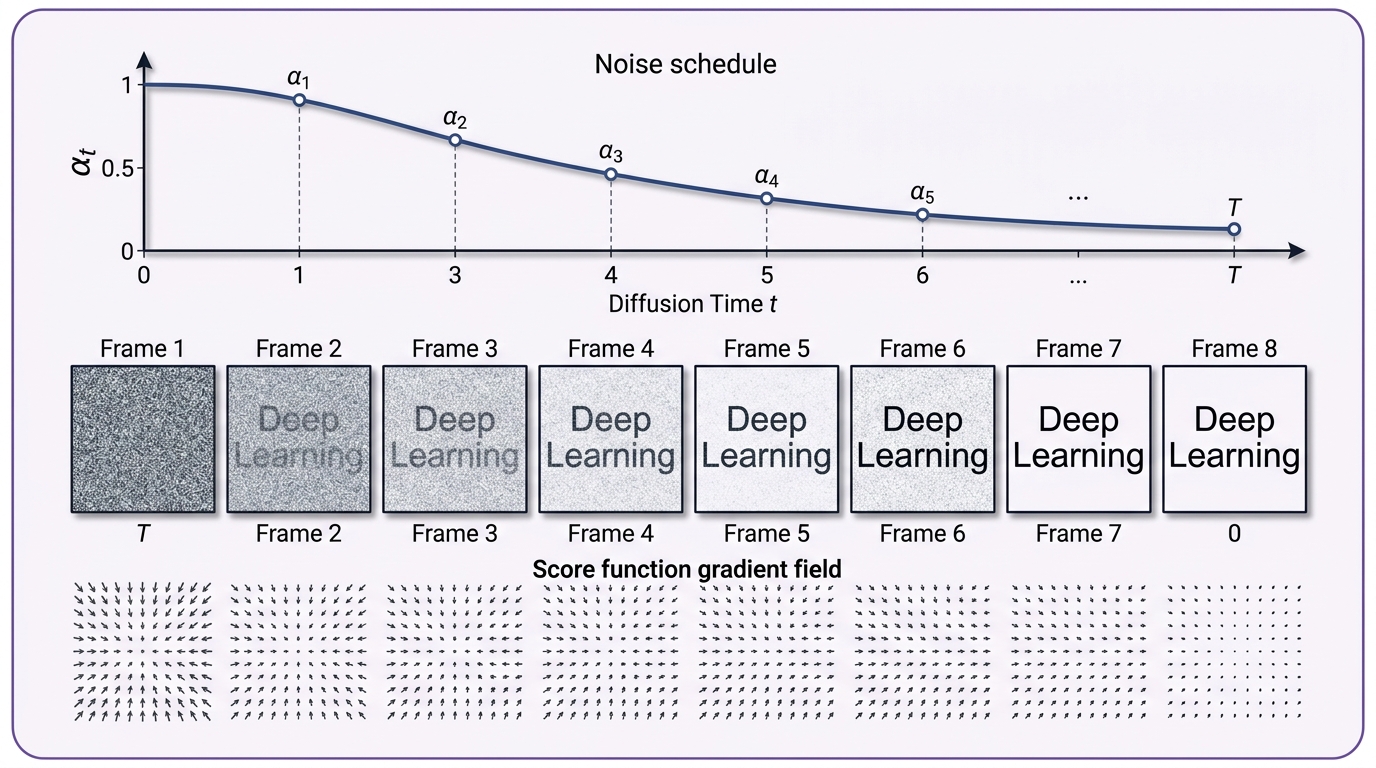
The "Build a Diffusion Language Model from Scratch" course offers a comprehensive exploration into the cutting-edge field of diffusion language models, providing learners with both theoretical and practical insights. Students will delve into the denoising processes and how they compare to traditional autoregressive models, gaining an understanding of unmasking strategies and the speed advantages during inference. The course features hands-on coding sessions via Google Colab links, enabling learners to implement language models from scratch. It also covers the mathematical underpinnings through matrix and vector operations essential for processing language models, supplemented by visual resources and guided walkthroughs. Moreover, the course addresses fundamental concepts such as word and contextual embeddings, and probabilistic modeling for text generation. This course is designed for individuals interested in natural language processing, machine learning enthusiasts, and professionals aiming to deepen their knowledge about the latest advancements in language model architectures. With a blend of detailed video lectures and rich supplementary resources, participants are equipped to engage with potential research areas and practical applications in diffusion-based and autoregressive language modeling.
Industry RAG Workshop
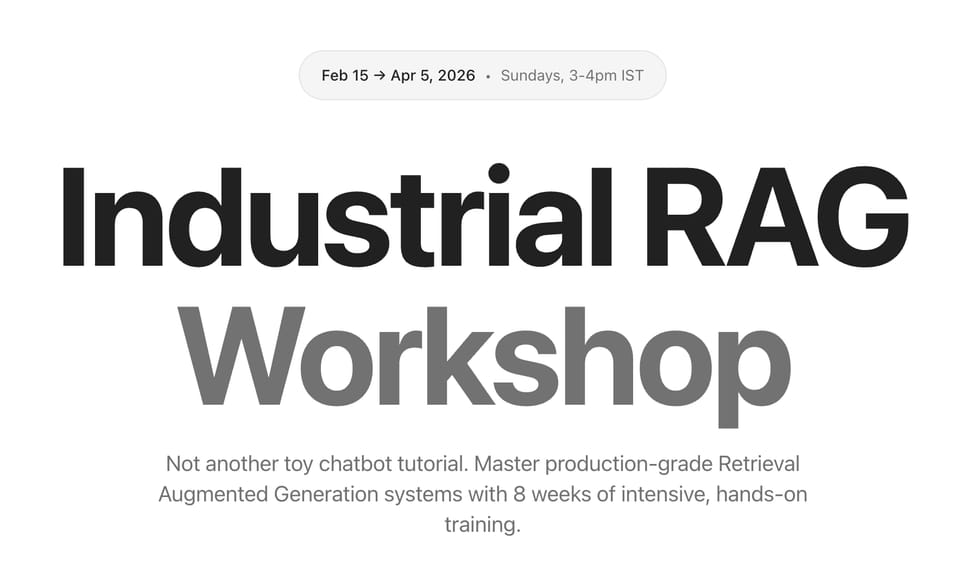
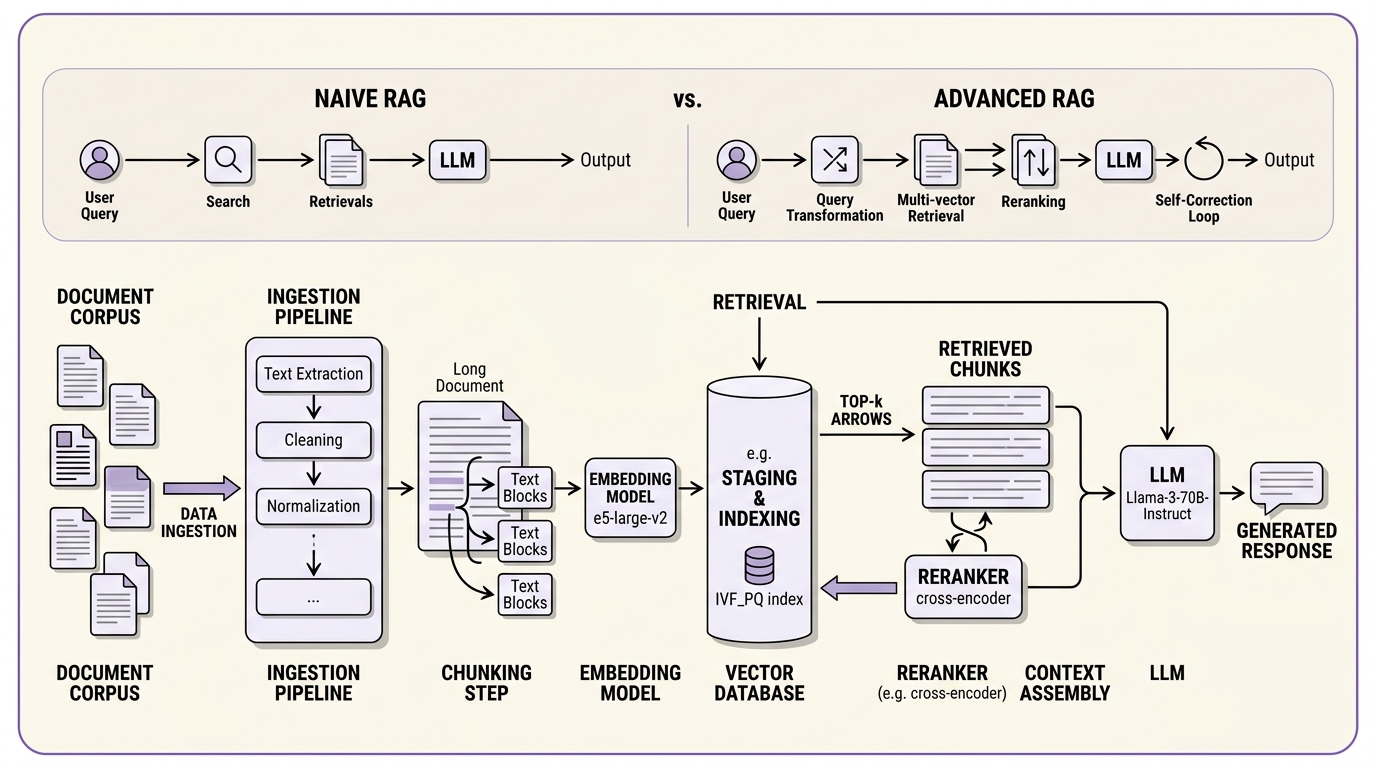
Not another toy chatbot tutorial. Master production-grade Retrieval Augmented Generation systems with 8 weeks of intensive, hands-on training.
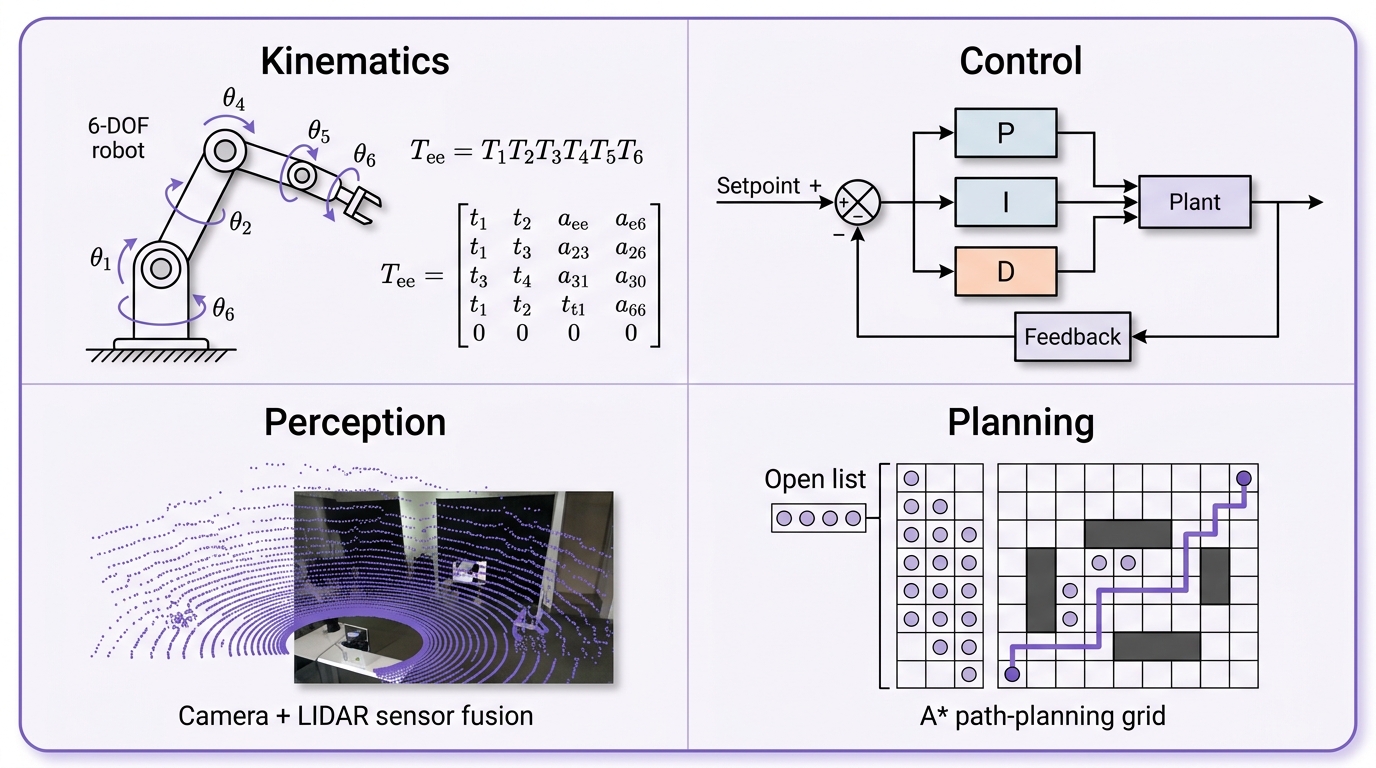
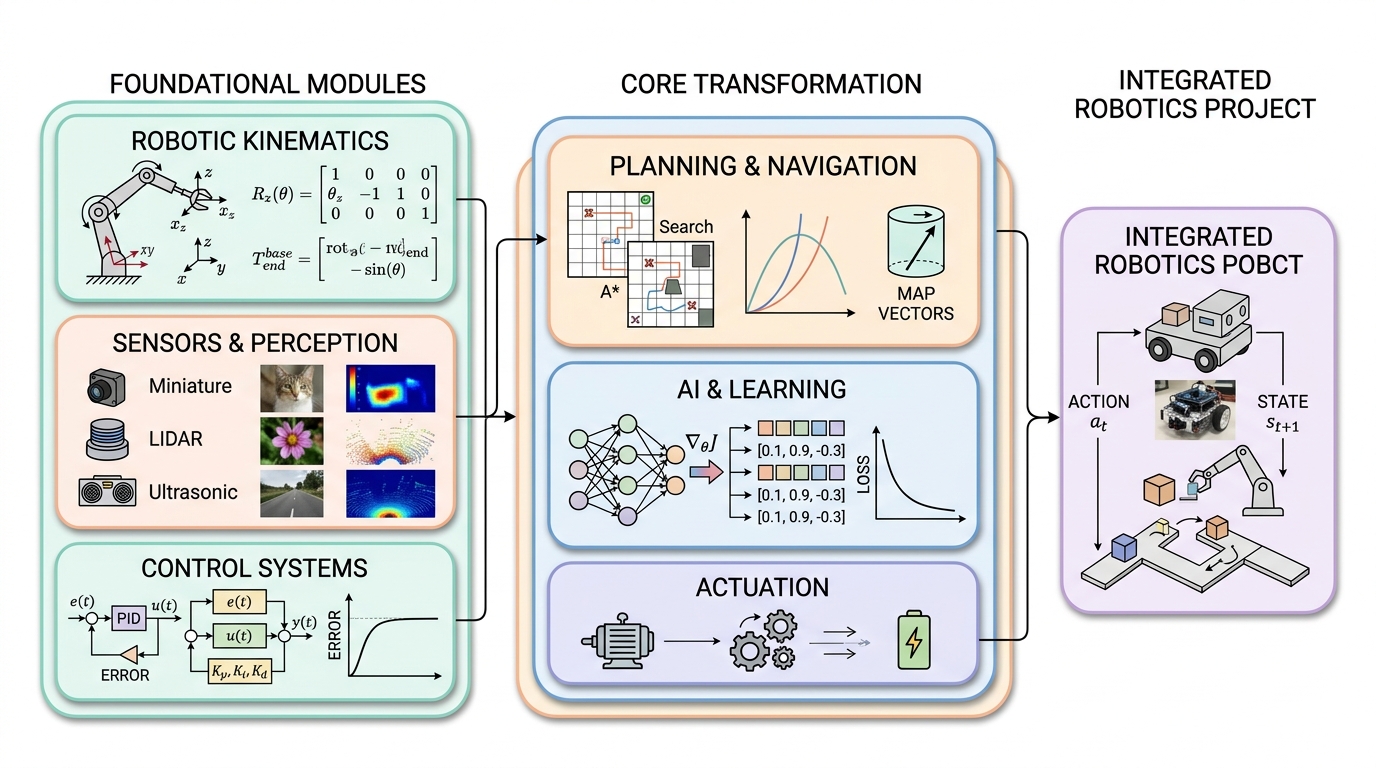
Minor in Robotics
Master cutting-edge robotics, reinforcement learning, and vision-language models. Train real robots with state-of-the-art AI in just 6 months.
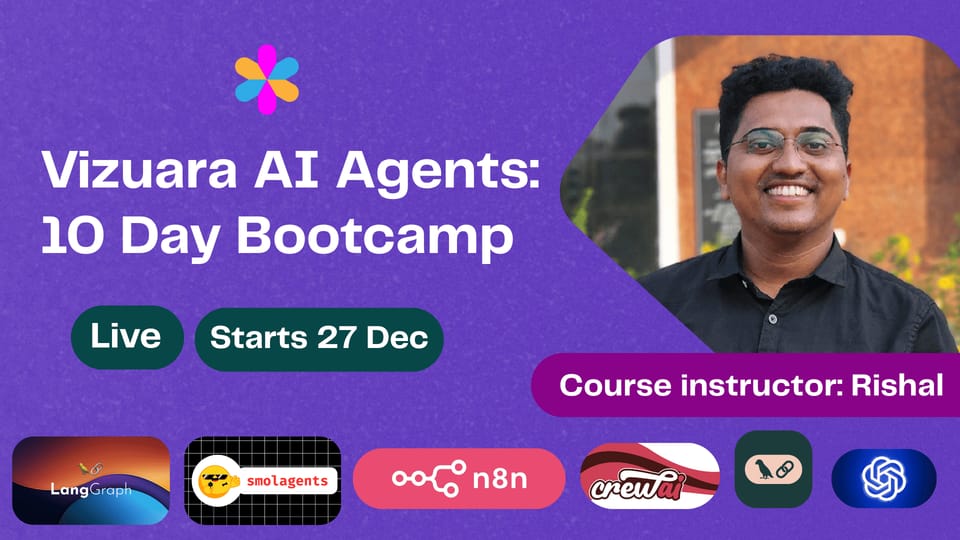
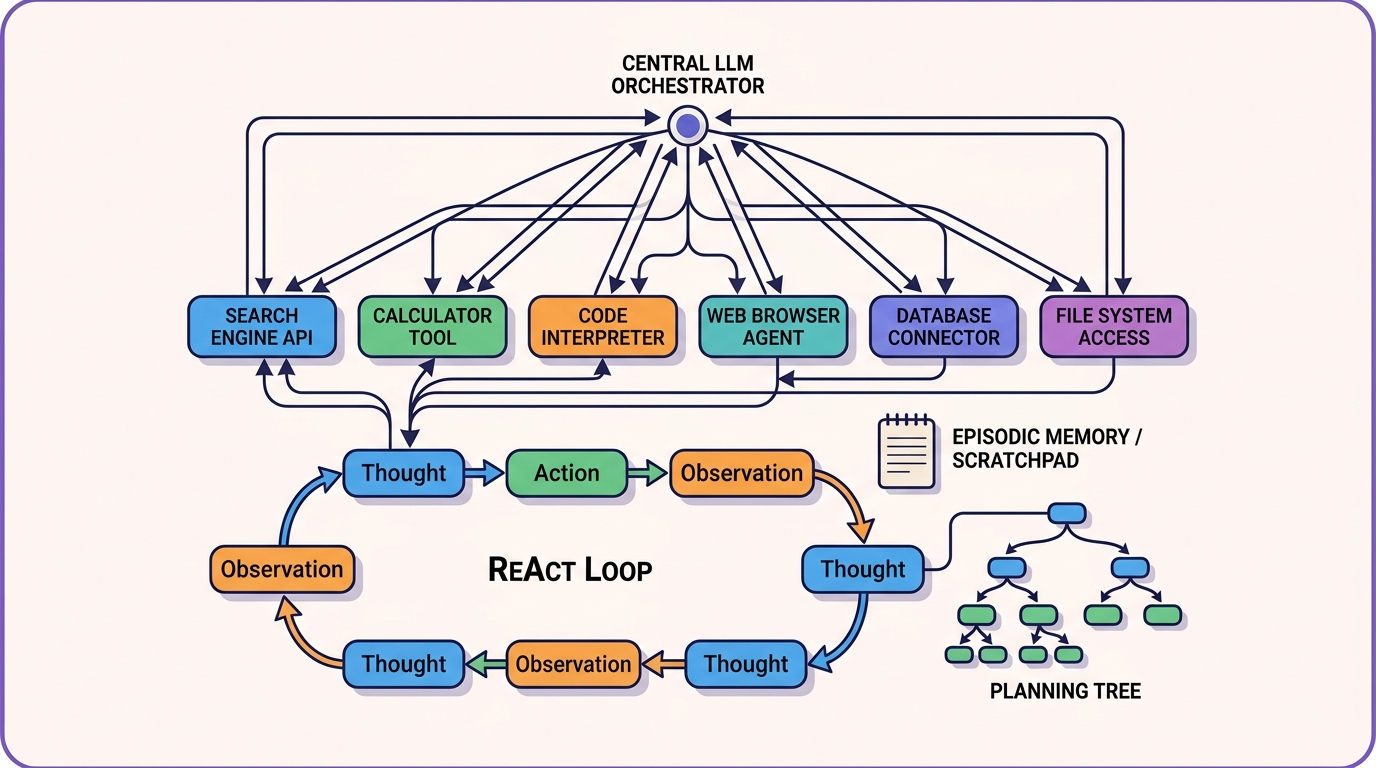
AI Agents 10 Day Bootcamp
AI Agents 10 Day Bootcamp
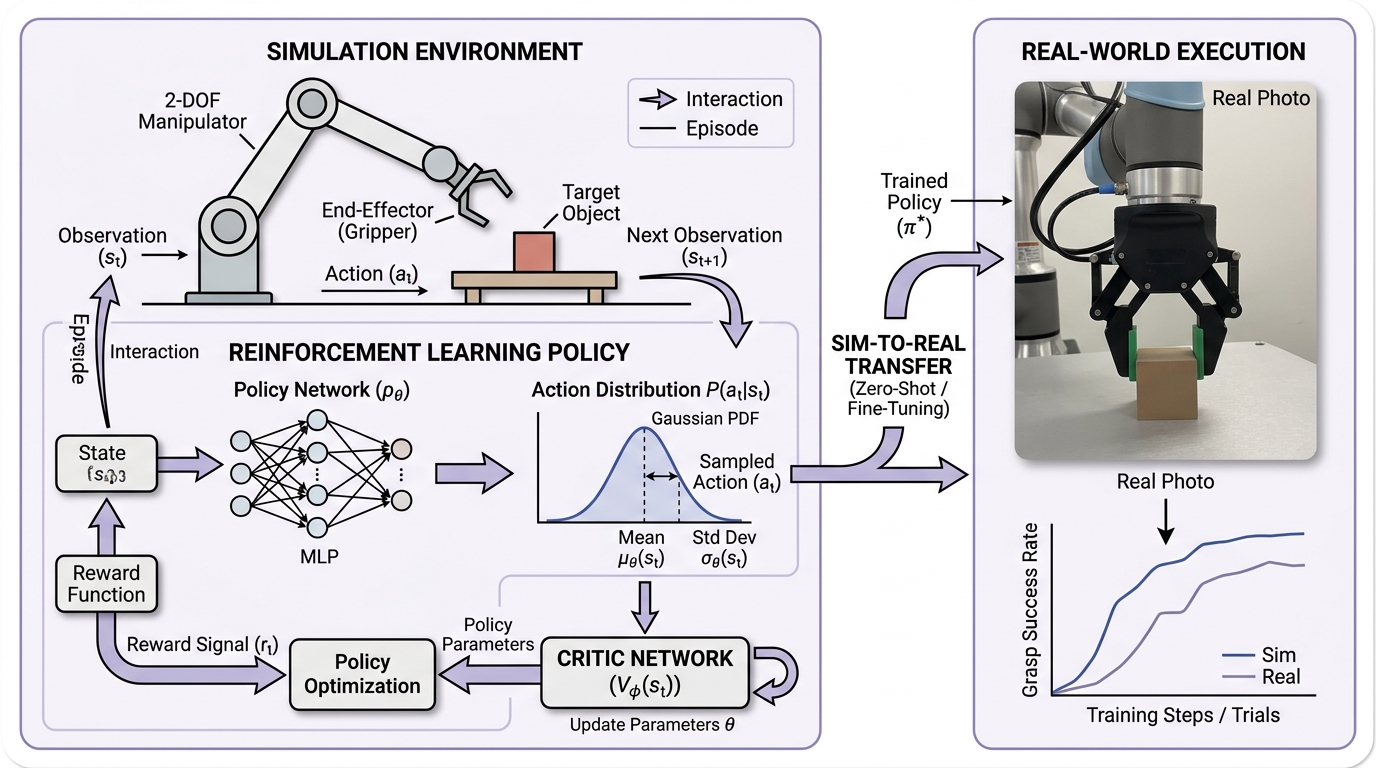
Modern Robot Learning from Scratch Bootcamp
The "Modern Robot Learning from Scratch Bootcamp" is a comprehensive course designed for individuals interested in advancing their knowledge in robotic systems through modern machine learning techniques. The curriculum initiates with an exploration of the evolution from traditional robotics to the contemporary use of reinforcement and imitation learning, leveraging advanced models like Variational Autoencoders (VAEs) and Vision Transformers. Students will learn core principles of these models, including data generalization and reconstruction through a probabilistic approach, and the integration of VAEs with transformer architectures for robotics applications. Discussions on Conditional VAEs, the transformer encoder-decoder framework, and the ACT (Action Chunking with Transformers) policy for general-purpose robotic behavior enrich the learning experience. Practical applications are emphasized through the training of an ACT policy on the SO-101 robot, utilizing tools like Hugging Face for model management. The course also includes interactive lectures, homework on cutting-edge research papers, and a hands-on demonstration day showcasing projects on environments visualization and comprehensive performance metrics. Ideal for students and professionals aiming to innovate in robotic systems, this bootcamp equips participants with skills to tackle real-world robotic challenges using state-of-the-art machine learning techniques.
FML_EndSSem_Test
This is dummy course for testing FML ENDSEM,
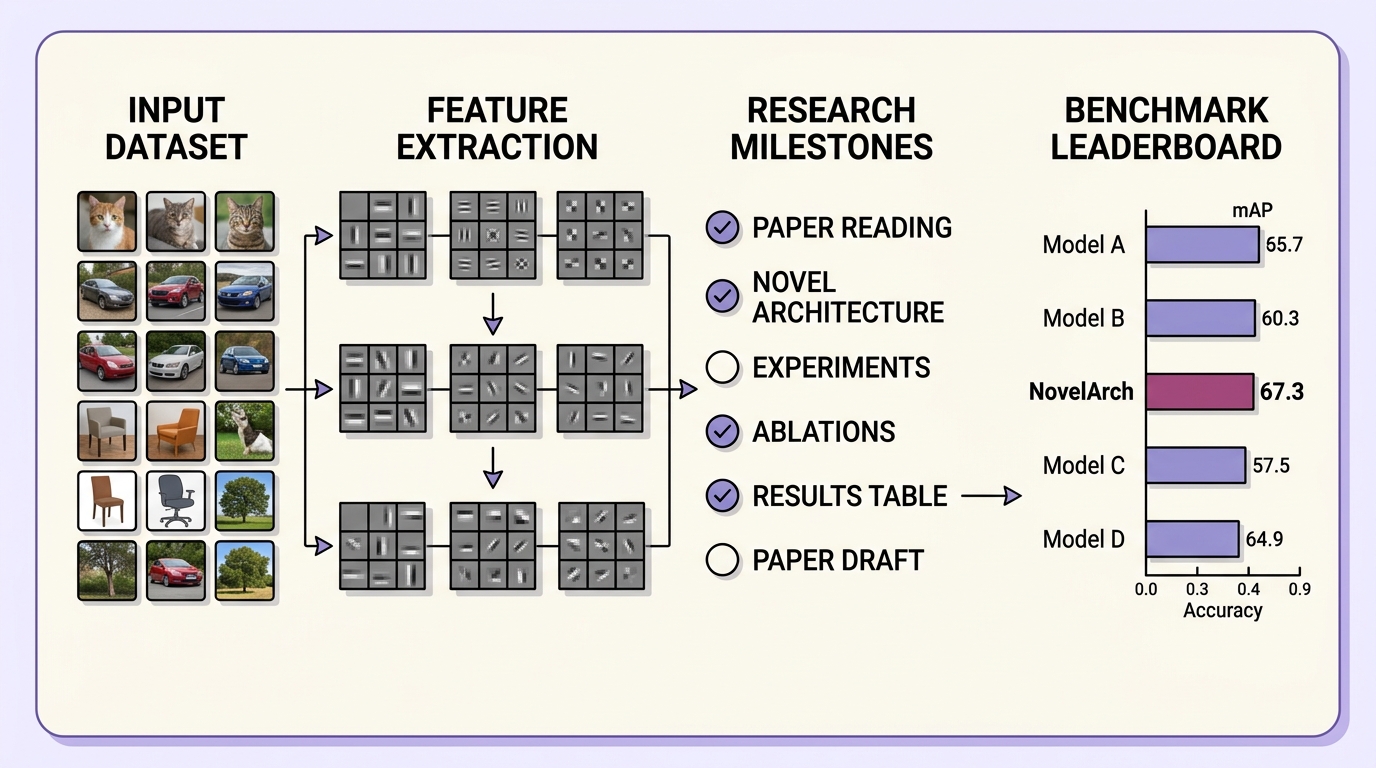
Computer Vision Research Bootcamp
Over the last many years of working in AI research and mentoring students and professionals across different backgrounds, I have realised that computer vision has grown into one of the most exciting and intellectually rewarding areas to work in, simply because the field keeps expanding in depth and breadth at a pace that surprises even those of us who follow it closely. Today I want to share something that we at Vizuara AI Labs have been building quietly for a long time, and I am very happy to finally announce the launch of our Computer Vision Research Bootcamp. This program was created to give learners a structured path into serious research in vision and multimodal systems. When I recently came across the DeepSeek OCR paper that demonstrates how textual information can be converted into images and processed with vision tokens at very high accuracy levels, it reminded me how quickly ideas in this field evolve and how important it is to understand both the foundations and the research mindset. Vision as a modality has a certain richness that keeps opening new directions, and this is one of the reasons why computer vision has moved from CNN based architectures to vision transformers, vision language models, planning models for robotics, video transformers and many more streams that are emerging almost every month. Our bootcamp runs for four months, where the first six to seven weeks are dedicated to building strong foundations in CNNs, vision transformers, detection transformers, multimodal systems and other essential topics. After this, every learner moves into phase two where we work together to identify a suitable research problem, design initial experiments, study gaps in the literature and slowly shape the story of a research paper. The entire process is designed to be systematic and collaborative so that even beginners can navigate the research journey with confidence. We have had students publish in NeurIPS workshops, ICCV workshops, ACM venues and other reputed platforms in the past, and those experiences helped us refine the structure of this bootcamp. The work happens through email, Loom and Overleaf, with self paced foundations and guided research. We keep the intake limited because research requires close involvement, and we want every learner to receive attention and direction throughout the four months. If you are interested in computer vision or if you wish to transition into research in a serious and structured manner, you can explore the details here: https://cvresearchbootcamp.vizuara.ai/
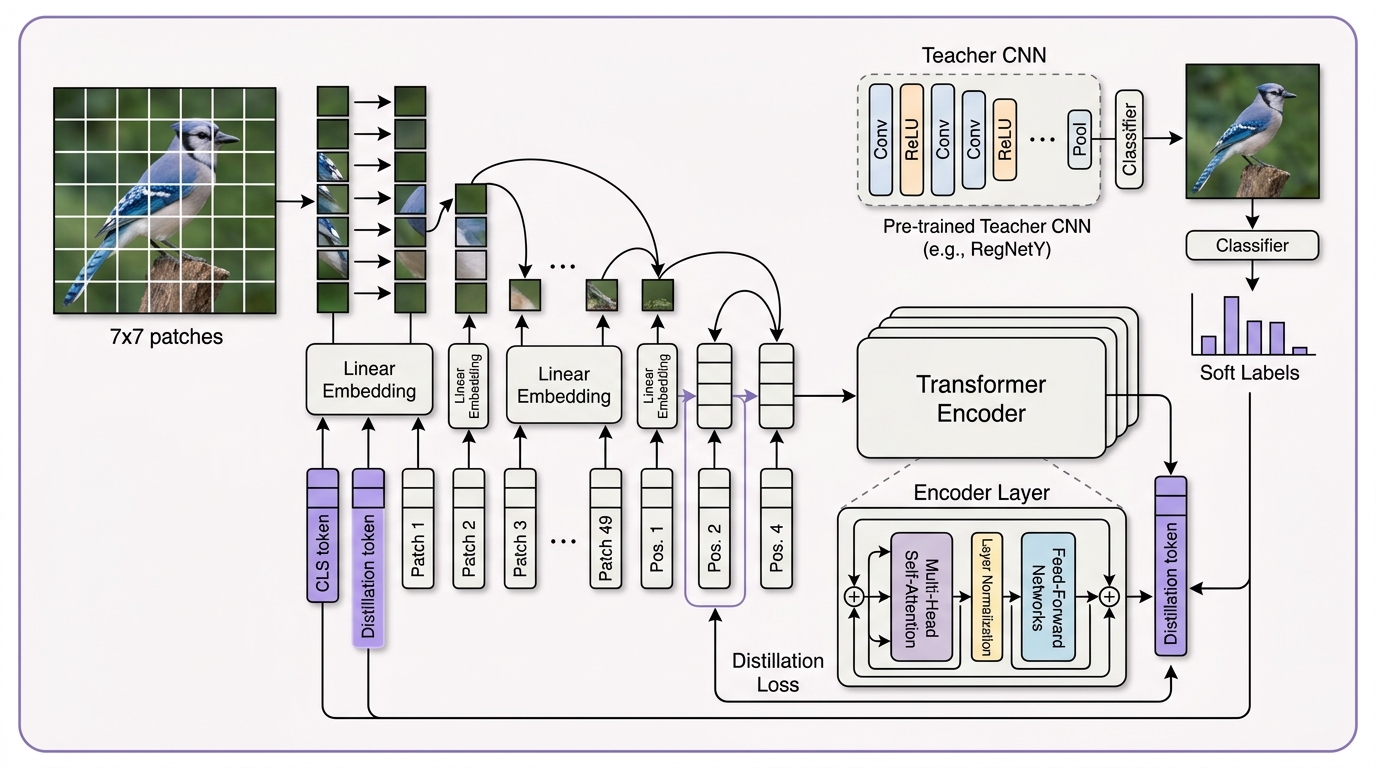
Build Data Efficient Image Transformer (DeiT) from scratch
The "Build Data Efficient Image Transformer (DeiT) from scratch" course offers an in-depth exploration into constructing data-efficient image transformers, a cutting-edge architecture in computer vision. Designed for students and professionals interested in machine learning and computer vision, this course provides comprehensive resources, including code files and lecture videos, to facilitate hands-on learning. Participants will acquire practical skills in implementing DeiT models, alongside theoretical knowledge to understand their impact in image processing tasks. With easy access to materials such as a detailed booklet and live Zoom sessions, learners will deepen their understanding of how transformers can be optimized for efficiency and performance in image analysis.
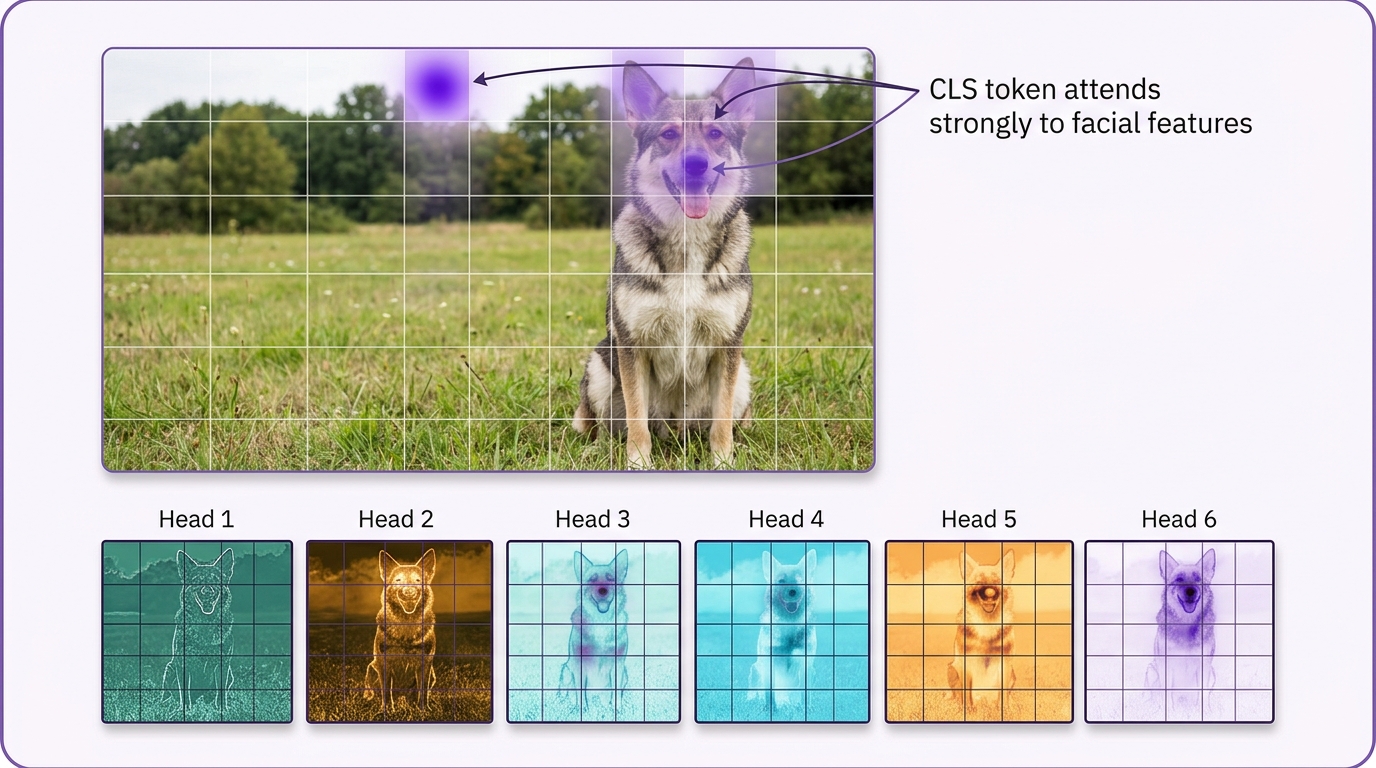
Build Vision Transformer (ViT) From Scratch
The "Build Vision Transformer (ViT) From Scratch" course is designed for students and professionals interested in understanding and implementing the advanced concept of Vision Transformers, a significant advancement in the field of computer vision. This course covers the fundamental aspects of ViT, enabling participants to gain hands-on experience in building and analyzing these models from the ground up. Students will have access to comprehensive resources, including a detailed ViT PDF booklet, code files hosted on Google Colab, as well as a recorded lecture video that delves into key concepts and practical coding demonstrations. Scheduled to take place via Zoom, the live session will be held on November 1st, providing an opportunity for real-time interaction and queries. This course is suitable for those with a basic understanding of machine learning and deep learning, aiming to expand their knowledge and skills in cutting-edge vision technologies.
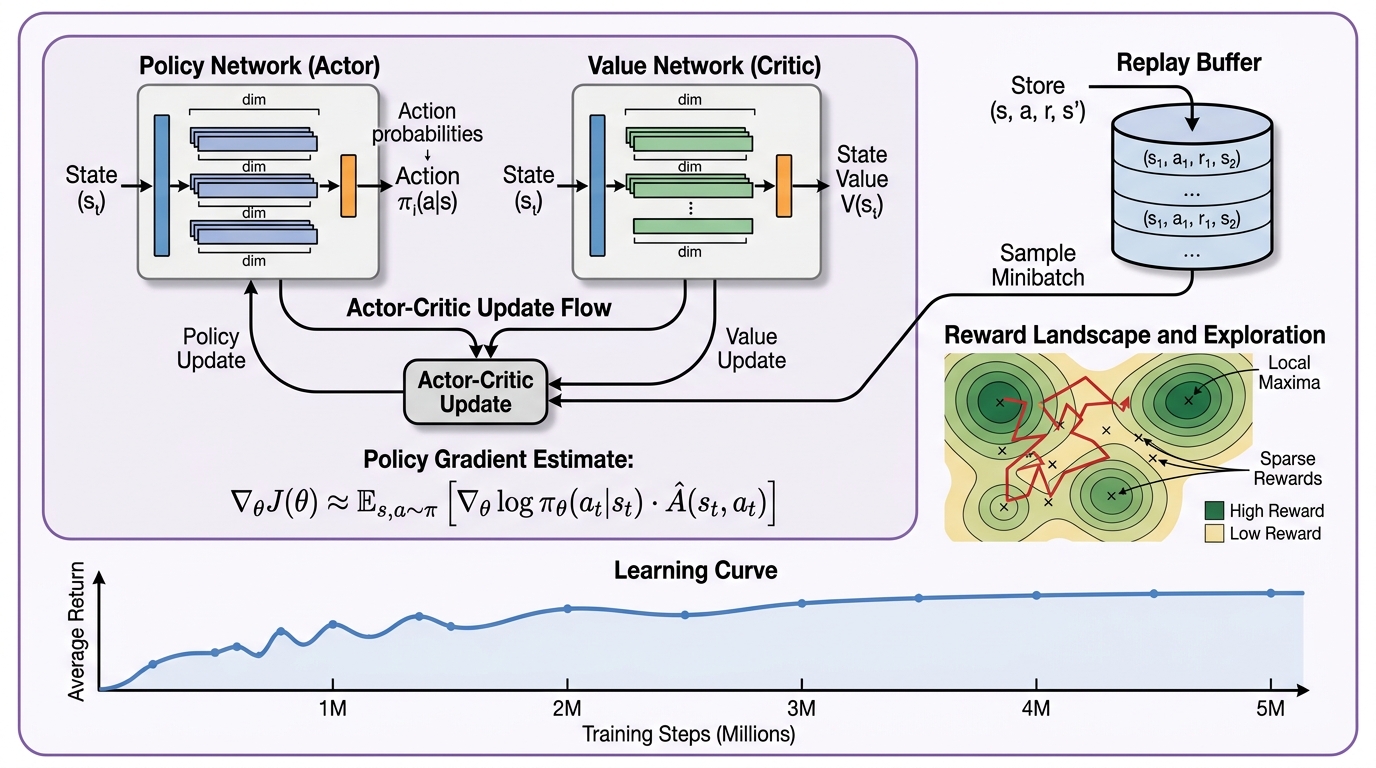
Reinforcement Learning Research Bootcamp
The Reinforcement Learning Research Roadmap has the following objectives: (1) Understand the fundamentals of Reinforcement Learning. (2) Work on impactful reinforcement learning research. (3) Present at top-tier conferences. (4) Publish impactful papers.
[LOWER KG] The ABC of AI
[GRADE 9] Robotics Lab ICSE 2025
[GRADE 9] AI Innovators: Beyond the Basics of AI and Machine Learning
.
[GRADE 9] AI Innovation Lab ICSE 2025
[GRADE 9] AI Innovation Lab

[GRADE 8] AI Explorers: Introduction to Artificial Intelligence
Designed specifically for middle school students aged 10-13 Engaging and interactive course format Covers the basics of AI, including definition and real-world applications Distinguishes between AI and non-AI machines Highlights the importance of AI in the modern world Introduction to ChatGPT and its capabilities Hands-on projects for practical learning: Image classification Voice recognition Introduction to machine intelligence, including how computers: See Listen Move Make decisions Exciting lab projects to apply learning: Bananometer Sleep Detector Focus on the ethical implications of AI Discusses AI's potential to contribute to global goals Completion of the course earns a certificate from Vizuara AI Labs

[GRADE 8] AI Explorers Journey

[GRADE 7] Smart AI Adventures

[GRADE 7] AI Explorers: Introduction to Artificial Intelligence
Designed specifically for middle school students aged 10-13 Engaging and interactive course format Covers the basics of AI, including definition and real-world applications Distinguishes between AI and non-AI machines Highlights the importance of AI in the modern world Introduction to ChatGPT and its capabilities Hands-on projects for practical learning: Image classification Voice recognition Introduction to machine intelligence, including how computers: See Listen Move Make decisions Exciting lab projects to apply learning: Bananometer Sleep Detector Focus on the ethical implications of AI Discusses AI's potential to contribute to global goals Completion of the course earns a certificate from Vizuara AI Labs

[GRADE 6] Creative AI Workshop

[GRADE 6] AI Explorers: Introduction to Artificial Intelligence
Designed specifically for middle school students aged 10-13 Engaging and interactive course format Covers the basics of AI, including definition and real-world applications Distinguishes between AI and non-AI machines Highlights the importance of AI in the modern world Introduction to ChatGPT and its capabilities Hands-on projects for practical learning: Image classification Voice recognition Introduction to machine intelligence, including how computers: See Listen Move Make decisions Exciting lab projects to apply learning: Bananometer Sleep Detector Focus on the ethical implications of AI Discusses AI's potential to contribute to global goals Completion of the course earns a certificate from Vizuara AI Labs

[GRADE 5] AI Storytelling Academy

[GRADE 5] AI Explorers: Introduction to Artificial Intelligence
Designed specifically for middle school students aged 10-13 Engaging and interactive course format Covers the basics of AI, including definition and real-world applications Distinguishes between AI and non-AI machines Highlights the importance of AI in the modern world Introduction to ChatGPT and its capabilities Hands-on projects for practical learning: Image classification Voice recognition Introduction to machine intelligence, including how computers: See Listen Move Make decisions Exciting lab projects to apply learning: Bananometer Sleep Detector Focus on the ethical implications of AI Discusses AI's potential to contribute to global goals Completion of the course earns a certificate from Vizuara AI Labs
[GRADE 4] AI little master
[GRADE 4] AI Ethics & Environment

[GRADE 3] AI in Daily Life

[GRADE 3 & 4] AI and me 2025

[GRADE 2] My First AI Adventure

[GRADE 1] AI Discovery Playground

[GRADE 11] AI Masters: Advanced AI, Data Analysis & Neural Networks
Establishes strong foundations in AI, ML, and DL Entry-level course introducing concepts of AI and intelligence Highlights the importance of AI and the five senses of intelligence Explores different types of AI models and neural networks Hands-on lab projects for practical experience: Image classification Regression analysis Covers the AI project cycle and evaluation of AI models Introduces Natural Language Processing (NLP) and Computer Vision (CV) Projects include: Building their own chatbot Creating a Spotify song classifier Completion of the course earns a certificate from Vizuara AI Labs

[GRADE 11] AI Masters: Advanced AI, Data Analysis & Neural Networks
Advanced course for high school students aged 16-17 Aims to deepen understanding of AI, data analysis, and neural networks Covers advanced topics such as: Intricacies of AI in everyday life Mathematical foundations for AI Detailed studies on types of AI models Ethics in AI AI storytelling Comprehensive lab projects for practical application: Creating mental health chatbots Detecting fake news Emphasizes hands-on learning with data visualization techniques and mastering neural networks Equips students with a profound understanding of AI's potential and challenges Certificates from Vizuara AI Labs awarded upon completion

[Grade 10] AI Pioneers Program
[Class 9] AI Innovators: Beyond the Basics of AI and Machine Learning ICSE 2025
[Class 9] AI Innovators: Beyond the Basics of AI and Machine Learning 2025

[Class 8] AI Explorers: Introduction to Artificial Intelligence 2025

[Class 8] AI Explorers: Introduction to Artificial Intelligence 2024
Designed specifically for middle school students aged 10-13 Engaging and interactive course format Covers the basics of AI, including definition and real-world applications Distinguishes between AI and non-AI machines Highlights the importance of AI in the modern world Introduction to ChatGPT and its capabilities Hands-on projects for practical learning: Image classification Voice recognition Introduction to machine intelligence, including how computers: See Listen Move Make decisions Exciting lab projects to apply learning: Bananometer Sleep Detector Focus on the ethical implications of AI Discusses AI's potential to contribute to global goals Completion of the course earns a certificate from Vizuara AI Labs

[Class 6 - 8] AI Club

[Class 7] AI Explorers: Introduction to Artificial Intelligence 2025

[Class 7] AI Explorers: Introduction to Artificial Intelligence 2024
Designed specifically for middle school students aged 10-13 Engaging and interactive course format Covers the basics of AI, including definition and real-world applications Distinguishes between AI and non-AI machines Highlights the importance of AI in the modern world Introduction to ChatGPT and its capabilities Hands-on projects for practical learning: Image classification Voice recognition Introduction to machine intelligence, including how computers: See Listen Move Make decisions Exciting lab projects to apply learning: Bananometer Sleep Detector Focus on the ethical implications of AI Discusses AI's potential to contribute to global goals Completion of the course earns a certificate from Vizuara AI Labs

[Class 6] AI Explorers: Introduction to Artificial Intelligence 2025

[Class 6] AI Explorers: Introduction to Artificial Intelligence Introductory
Designed specifically for middle school students aged 10-13 Engaging and interactive course format Covers the basics of AI, including definition and real-world applications Distinguishes between AI and non-AI machines Highlights the importance of AI in the modern world Introduction to ChatGPT and its capabilities Hands-on projects for practical learning: Image classification Voice recognition Introduction to machine intelligence, including how computers: See Listen Move Make decisions Exciting lab projects to apply learning: Bananometer Sleep Detector Focus on the ethical implications of AI Discusses AI's potential to contribute to global goals Completion of the course earns a certificate from Vizuara AI Labs

[Class 5] AI Explorers: Introduction to Artificial Intelligence 2025

[Class 10] AI Pioneers: Building Foundations in AI, ML, and DL 2025

[Class 9-10] AI Club

[Arise Ravet] AI Explorers: Introduction to Artificial Intelligence (Class 6-8)
Designed specifically for middle school students aged 10-13 Engaging and interactive course format Covers the basics of AI, including definition and real-world applications Distinguishes between AI and non-AI machines Highlights the importance of AI in the modern world Introduction to ChatGPT and its capabilities Hands-on projects for practical learning: Image classification Voice recognition Introduction to machine intelligence, including how computers: See Listen Move Make decisions Exciting lab projects to apply learning: Bananometer Sleep Detector Focus on the ethical implications of AI Discusses AI's potential to contribute to global goals Completion of the course earns a certificate from Vizuara AI Labs

[Arise Bhosari] AI Explorers: Introduction to Artificial Intelligence (Class 6-8)
Designed specifically for middle school students aged 10-13 Engaging and interactive course format Covers the basics of AI, including definition and real-world applications Distinguishes between AI and non-AI machines Highlights the importance of AI in the modern world Introduction to ChatGPT and its capabilities Hands-on projects for practical learning: Image classification Voice recognition Introduction to machine intelligence, including how computers: See Listen Move Make decisions Exciting lab projects to apply learning: Bananometer Sleep Detector Focus on the ethical implications of AI Discusses AI's potential to contribute to global goals Completion of the course earns a certificate from Vizuara AI Labs
Zero to Hero in Data Science
Master Data Science in Python and R

VP New English Medium School Class 5-8: AI Explorers- Introduction to Artificial Intelligence
Designed specifically for middle school students aged 10-13 Engaging and interactive course format Covers the basics of AI, including definition and real-world applications Distinguishes between AI and non-AI machines Highlights the importance of AI in the modern world Introduction to ChatGPT and its capabilities Hands-on projects for practical learning: Image classification Voice recognition Introduction to machine intelligence, including how computers: See Listen Move Make decisions Exciting lab projects to apply learning: Bananometer Sleep Detector Focus on the ethical implications of AI Discusses AI's potential to contribute to global goals Completion of the course earns a certificate from Vizuara AI Labs

VP Cyrus Poonawala Class 5-8: AI Explorers- Introduction to Artificial Intelligence
Designed specifically for middle school students aged 10-13 Engaging and interactive course format Covers the basics of AI, including definition and real-world applications Distinguishes between AI and non-AI machines Highlights the importance of AI in the modern world Introduction to ChatGPT and its capabilities Hands-on projects for practical learning: Image classification Voice recognition Introduction to machine intelligence, including how computers: See Listen Move Make decisions Exciting lab projects to apply learning: Bananometer Sleep Detector Focus on the ethical implications of AI Discusses AI's potential to contribute to global goals Completion of the course earns a certificate from Vizuara AI Labs
Vizuara AI Teacher Training
Vizuara AI Teacher Training
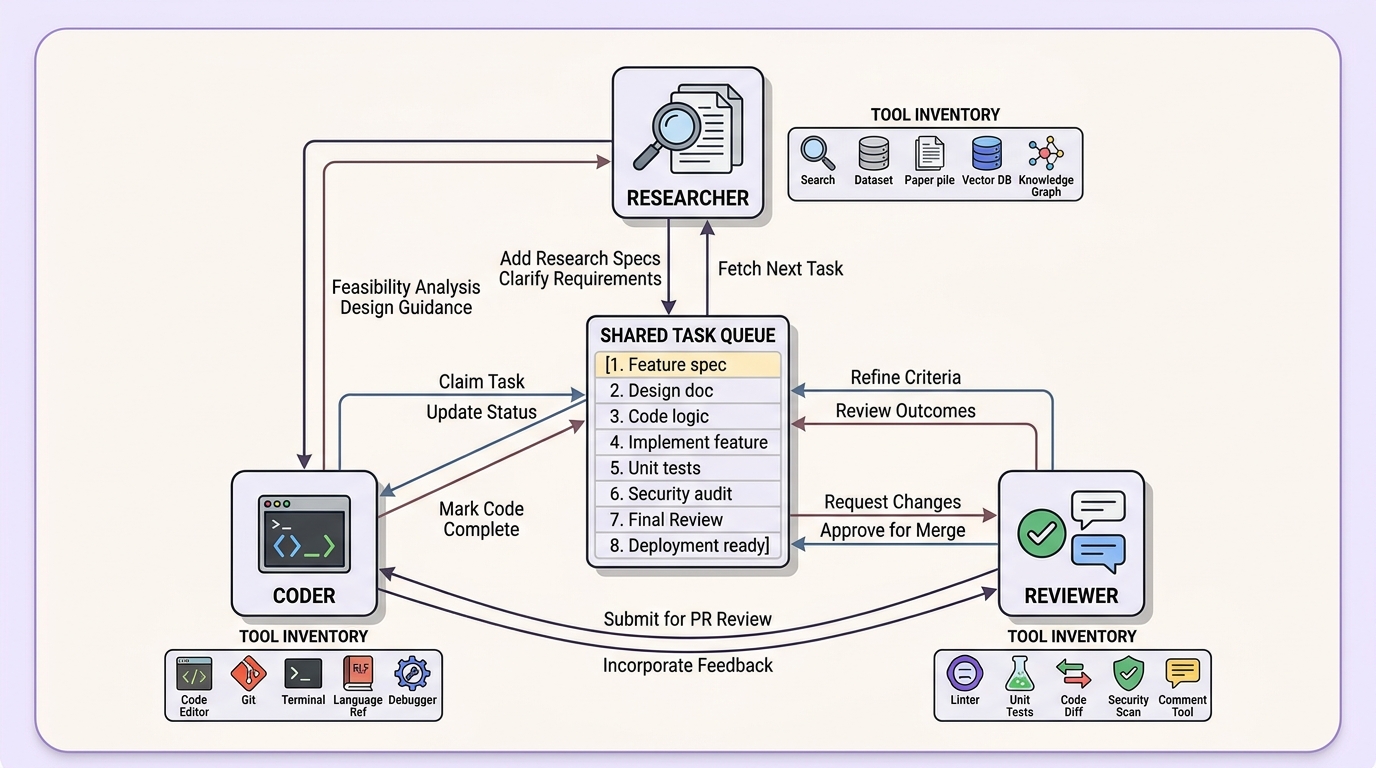
Vizuara AI Agents 10 Day Bootcamp [Archive]
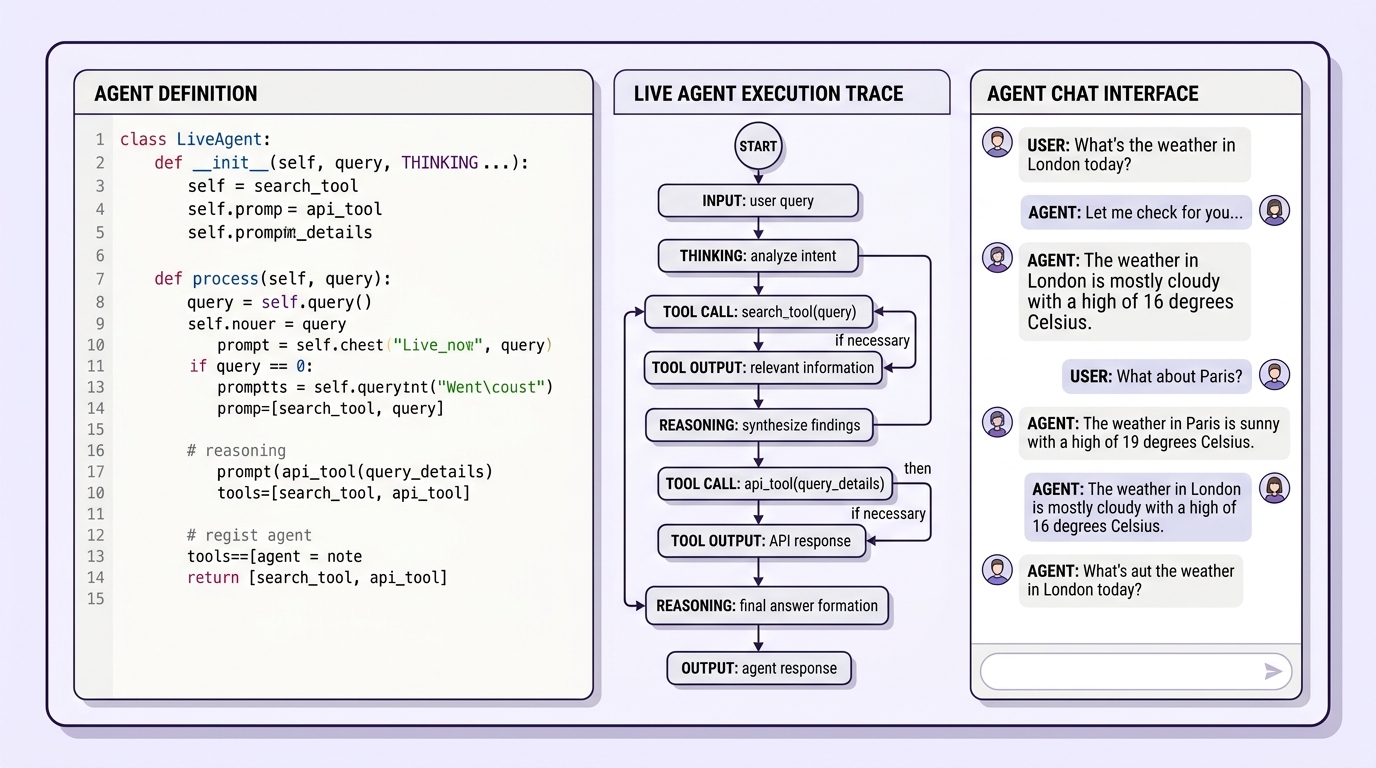
Vizuara AI Agents 10 Day Bootcamp (PRO)
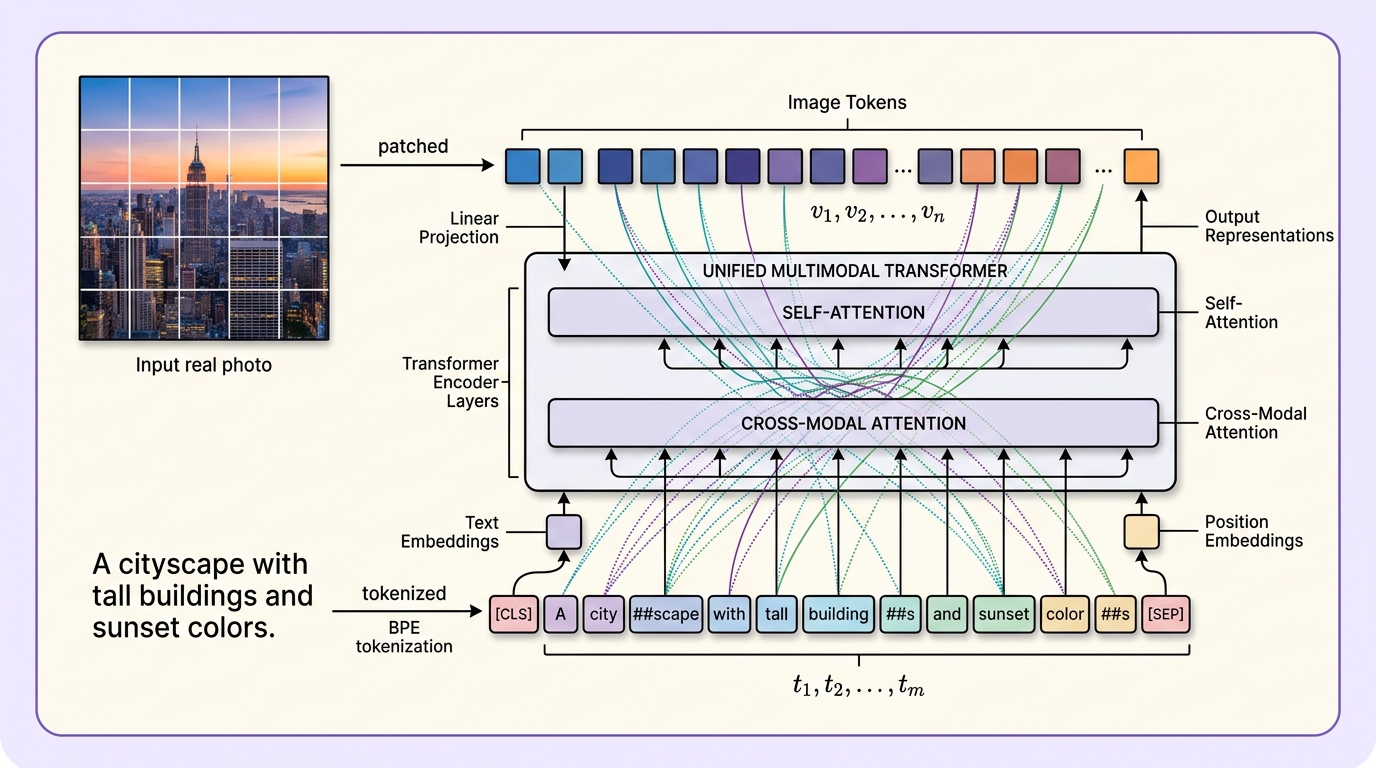
Transformers for Vision and Multimodal LLMs [PRO]
Transformers have transformed computer vision, video understanding, and multimodal AI. This 14-week intensive bootcamp takes you from the foundations of CNNs to the most advanced transformer architectures for vision and multimodality. You will learn and implement models like ViT, DeiT, Swin, DETR, Mask2Former, SAM, TimeSformer, VideoMAE, CLIP, BLIP, Flamingo, LLaVA, and Stable Diffusion. Each lecture combines theory with hands-on coding so that by the end of the program you will have built projects ranging from object detection and segmentation to multimodal chat systems and generative image pipelines. Led live by Dr. Sreedath Panat, MIT PhD and co-founder of Vizuara, this bootcamp gives you access to comprehensive notes, code repositories, community support, and career guidance. By completing the course, you will not only master the latest models but also graduate with a strong GitHub portfolio and resume-ready projects.

Subhadra Class 5-8: AI Explorers- Introduction to Artificial Intelligence
Designed specifically for middle school students aged 10-13 Engaging and interactive course format Covers the basics of AI, including definition and real-world applications Distinguishes between AI and non-AI machines Highlights the importance of AI in the modern world Introduction to ChatGPT and its capabilities Hands-on projects for practical learning: Image classification Voice recognition Introduction to machine intelligence, including how computers: See Listen Move Make decisions Exciting lab projects to apply learning: Bananometer Sleep Detector Focus on the ethical implications of AI Discusses AI's potential to contribute to global goals Completion of the course earns a certificate from Vizuara AI Labs
Subhadra (Class 9): AI Innovators- Beyond the Basics of AI and Machine Learning

Subhadra (Class 10): AI Pioneers- Building Foundations in AI, ML, and DL
Designed for high school beginners aged 15-16 Establishes strong foundations in AI, ML, and DL Entry-level course introducing concepts of AI and intelligence Highlights the importance of AI and the five senses of intelligence Explores different types of AI models and neural networks Hands-on lab projects for practical experience: Image classification Regression analysis Covers the AI project cycle and evaluation of AI models Introduces Natural Language Processing (NLP) and Computer Vision (CV) Projects include: Building their own chatbot Creating a Spotify song classifier Completion of the course earns a certificate from Vizuara AI Labs

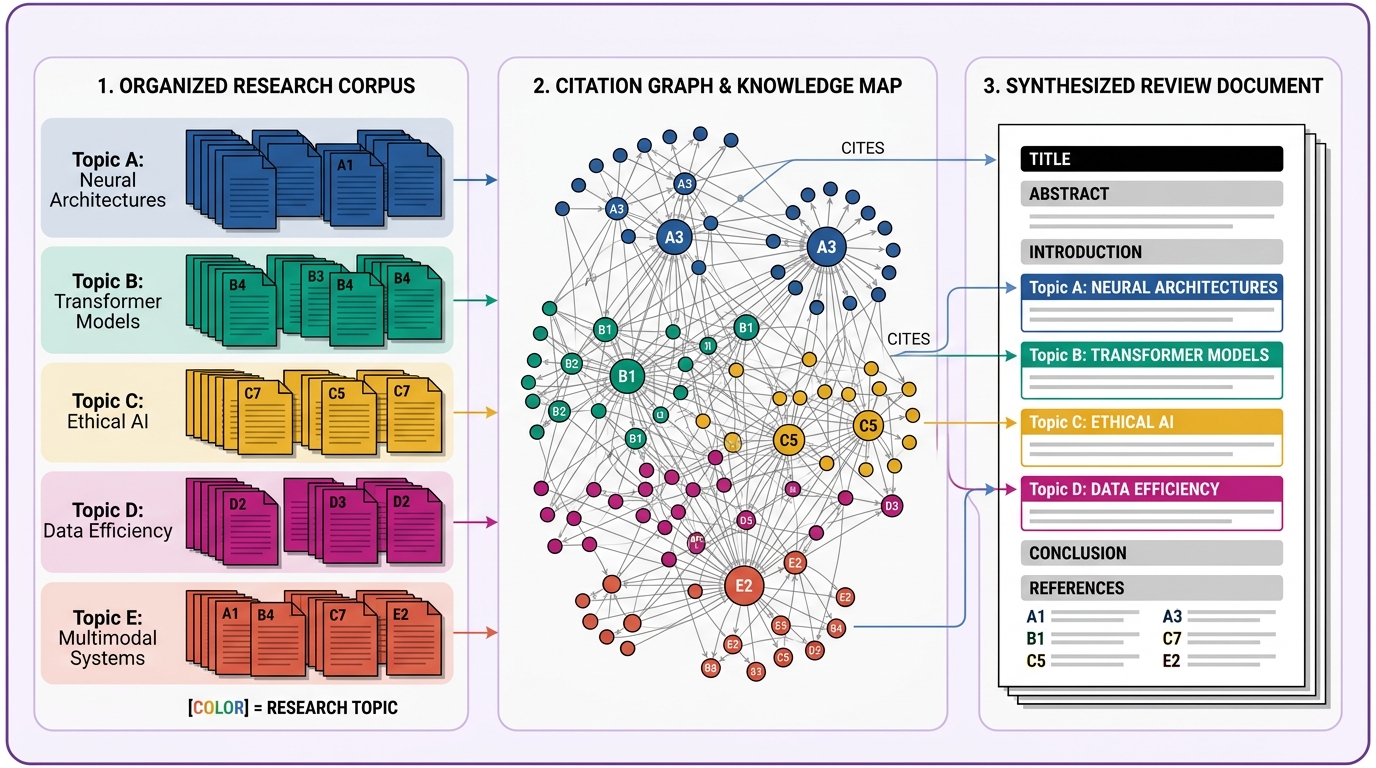
Student research: Working on a Review Paper
The course "Student Research: Working on a Review Paper" is meticulously designed to equip students with the skills and knowledge necessary to craft a compelling review paper, an essential milestone for those aspiring to advance in academia. Tailored for undergraduate and graduate students, particularly those planning to attend graduate school, this course offers a step-by-step guide to the extensive process of writing a review paper. Students will be introduced to Team Videsh, an expert ensemble of IIT Madras alumni with notable academic achievements, providing insights and personalized mentorship throughout the course. The curriculum begins with foundational aspects such as filling out a research assessment form, understanding the purpose of review papers, and selecting a research topic using tools like Google Scholar. It further delves into the intricacies of conducting comprehensive literature reviews, leveraging software like Mendeley and Overleaf to manage references and document formatting. Students will learn to read academic papers using "bird's-eye" and "in-depth" modes, summarize key findings, and gradually build their papers by drafting outlines and abstracts. Subsequent lessons emphasize refining the main body, introduction, discussion, and conclusions, while honing crucial skills in figure creation using tools like Canva and Excel. The course culminates in practical guidance on formatting manuscripts for journal submissions, crafting effective cover letters, and navigating the peer-review process with resilience in the face of rejections or resubmissions. By the end, participants emerge with a solidly crafted review paper ready for submission, alongside the confidence and expertise to tackle future academic writing challenges.
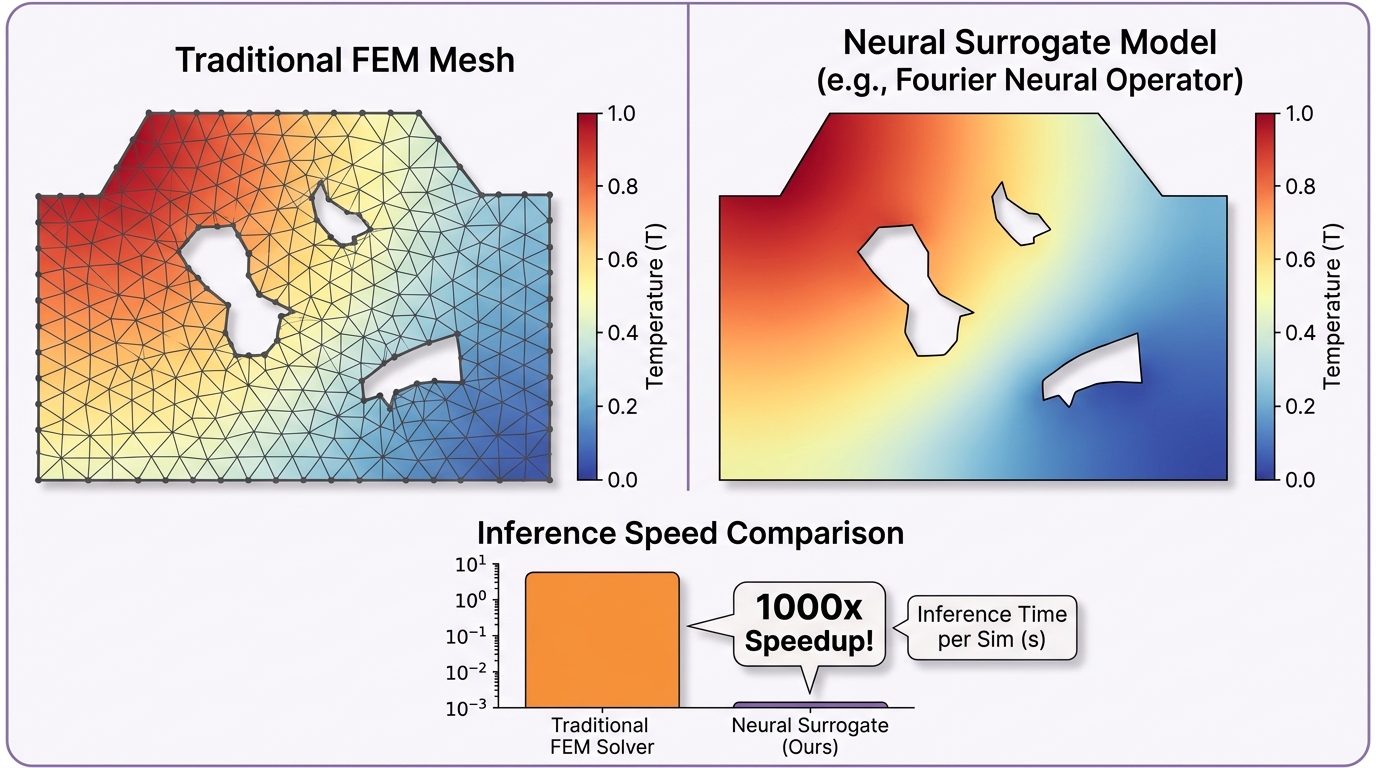
Scientific Machine Learning [July 2025 Cohort]
The "Scientific Machine Learning [July 2025 Cohort]" course is designed to equip students with the foundational and advanced skills necessary for integrating machine learning with scientific inquiry. Participants will explore concepts such as Universal Differential Equations (UDEs) to harness predictive models for complex phenomena, even with limited datasets. The course strongly encourages engagement through active participation in live lectures conducted via Zoom, fostering teamwork through in-lecture assignments, and reinforcing learning by implementing take-home and teaching assignments. Students will work in a Julia environment within Jupyter Notebooks, and are encouraged to make use of digital note-taking tools like Wacom and Miro for an enhanced learning experience. Attendance is crucial for certification, and all sessions will be recorded for review. This course is tailored for those determined to delve into scientific machine learning, providing a rigorous and interactive learning path for both beginners and those with some prior experience in the field.
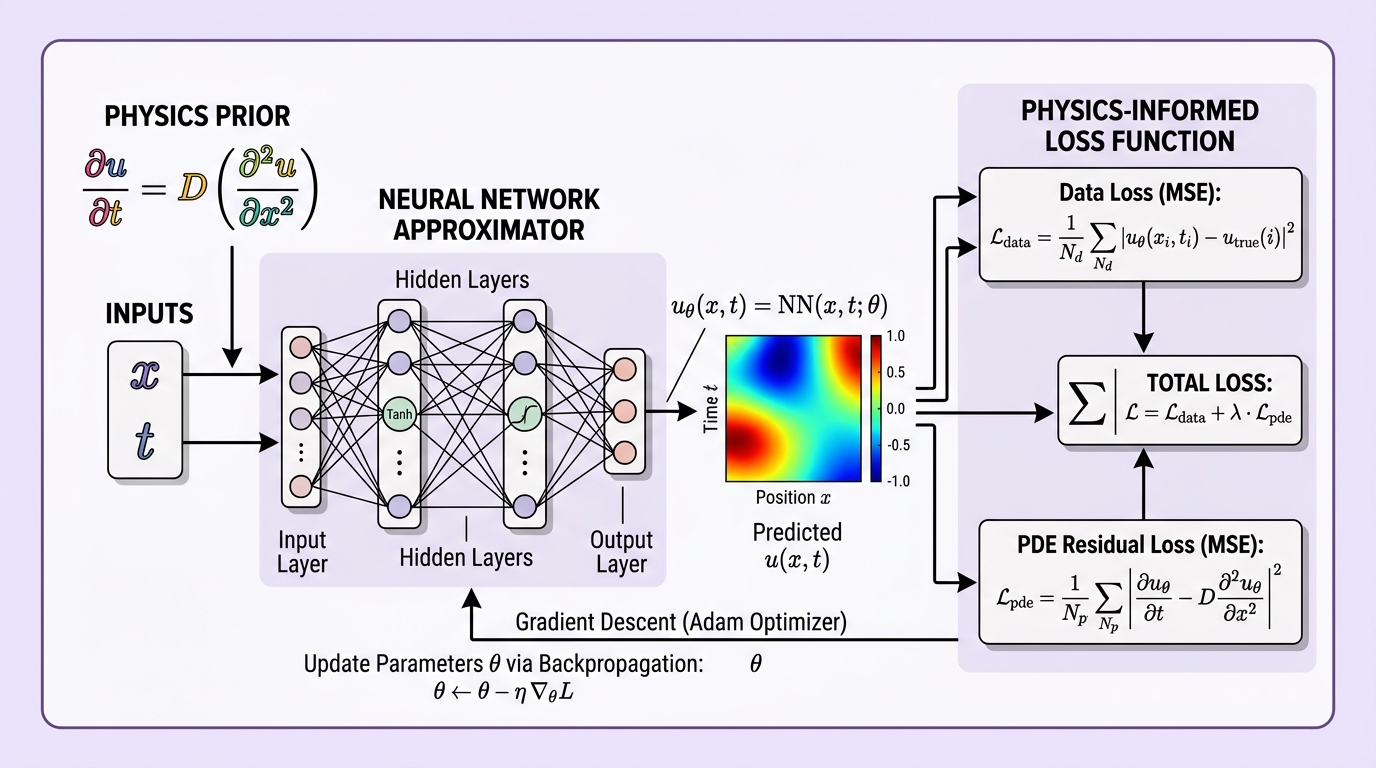
Scientific Machine Learning
Learn Scientific ML from MIT PhDs and IIT Madras graduates. We learnt this for 4 years at MIT. You get it all in this course. After this course: (1) You will confidently make a transition to machine learning (ML), as a complete beginner. (2) You will learn a new field of Scientific Machine Learning from MIT PhDs (3) You would have done 2 impactful, hands on ML projects to your resume (4) You will learn the path to convert ML results into research publications What will you learn from this course: (1) Why and How Scientific Machine Learning can help you transition to ML? (2) Understanding the Julia Programming Language (3) Understanding the fundamental building blocks of Scientific ML (4) Perform 2 hands on projects using Scientific ML which you can add to your resume: (a) Covid-19 modeling project (b) Black hole visualization project (5) Roadmap to convert results into research papers
Robotics (Class 8-10)
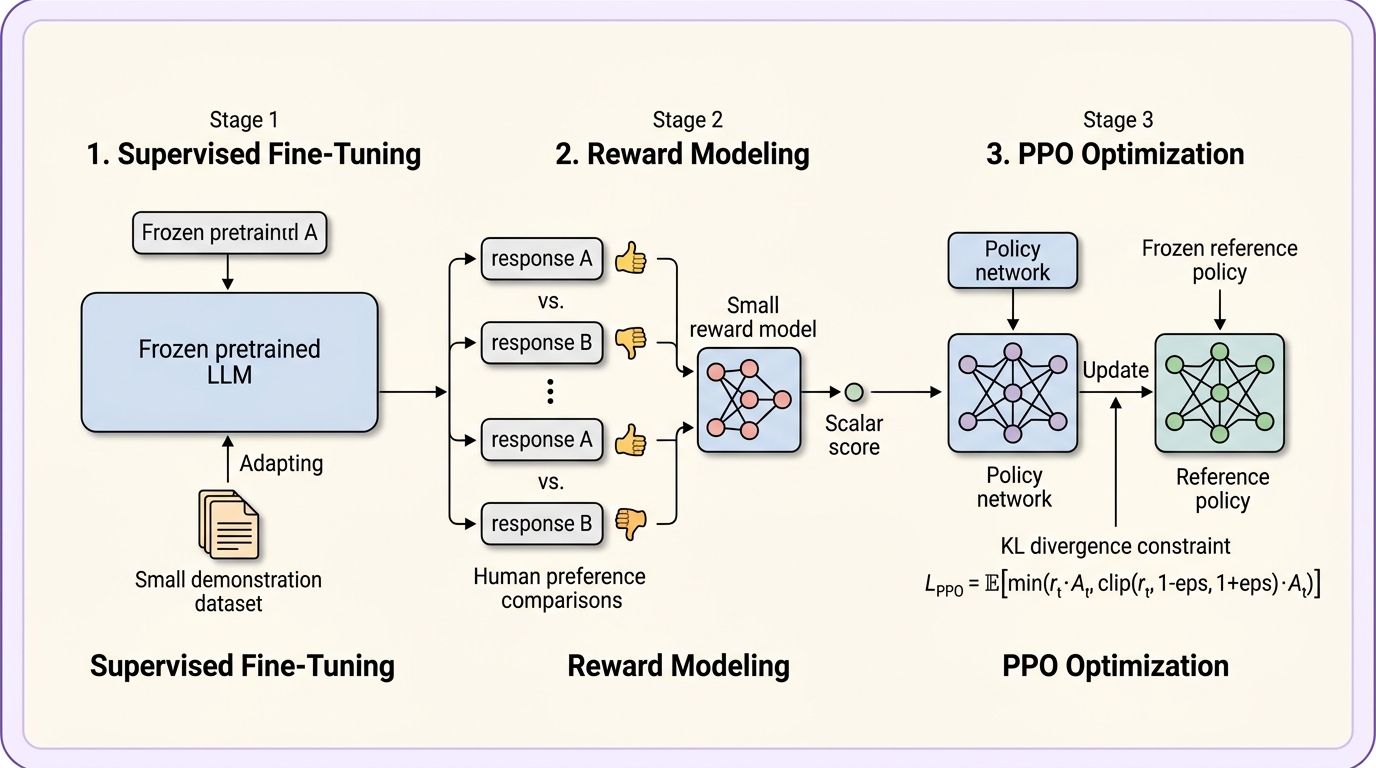
RLHF From Scratch Workshop
The RLHF From Scratch Workshop is an intensive and hands-on course designed for individuals interested in mastering Reinforcement Learning with Human Feedback (RLHF) within the context of large language models (LLMs). This workshop begins by exploring the fundamental theories and implementations of RLHF in the first lecture, emphasizing the alignment of LLM outputs with human preferences through reward model training and policy gradients. Participants will gain insights into the journey of a token through LLMs and build a positive tiny stories supervised language model (SLM). The course progresses to delve into advanced applications of RLHF alongside Proximal Policy Optimization (PPO) and OpenRLHF, as exemplified by creating a Reddit post summarizer. Attendees will learn how to define states, actions, and reward models when handling subjective content summarization. Throughout the workshop, participants have access to comprehensive resources, including lesson notes, code repositories, Google Colab notebooks, and an informative Substack article, equipping them with practical skills and knowledge. This workshop is ideal for developers, data scientists, and researchers keen to incorporate RLHF into their work with LLMs.
R Masterclass
R Masterclass course is designed to deepen your understanding of data science, with a strong focus on modeling and data visualization. This course will guide you through advanced techniques in building predictive models, analyzing data, and creating compelling visualizations.
Python masterclass for school students

Python for data science
Learn Python's essential tools for data science, including data manipulation, analysis, and visualization. This course covers libraries like Pandas, NumPy, and Matplotlib, equipping you with the skills to handle datasets, perform statistical analysis, and create insightful visualizations. Perfect for beginners aiming to kickstart their data science journey.
Prompt Engineering
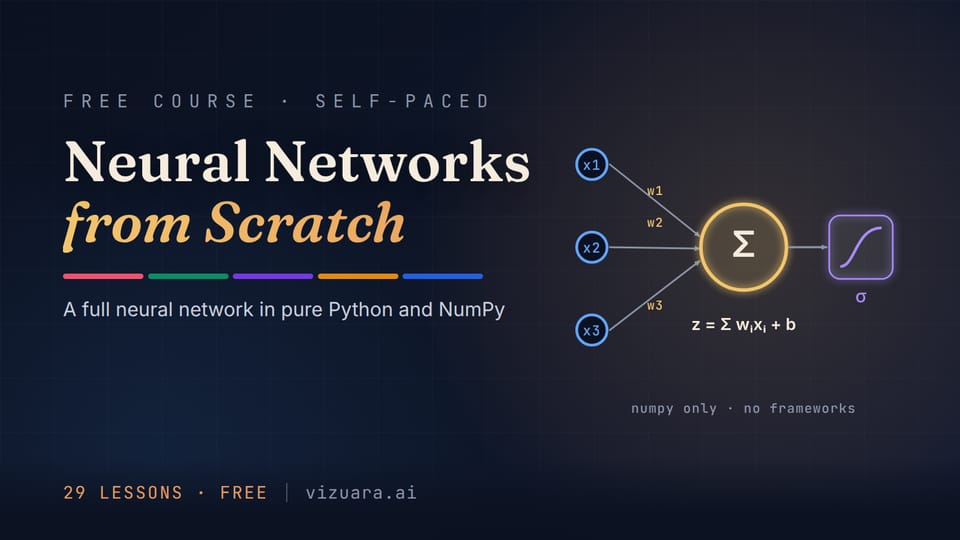
NNFS: Neural Network From Scratch
A four-hour route to really understanding neural networks, by building one. NNFS opens with ten questions every beginner should be able to answer and closes with a working network that you train and visualise yourself. What you will learn The function that switches a neuron on or off, and matrix multiplication as a classifier Softmax as a probability distribution, tensors, and how weight values are found Designing a layer architecture and implementing the forward and backward pass Activation functions and visualising what the network has learned What is included 29 short lessons in two parts, just under 4 hours of video Course end test Who it is for The ideal warm-up before Deep Learning Fundamentals, or a fast refresher if you have seen neural networks before and want the intuition to stick.
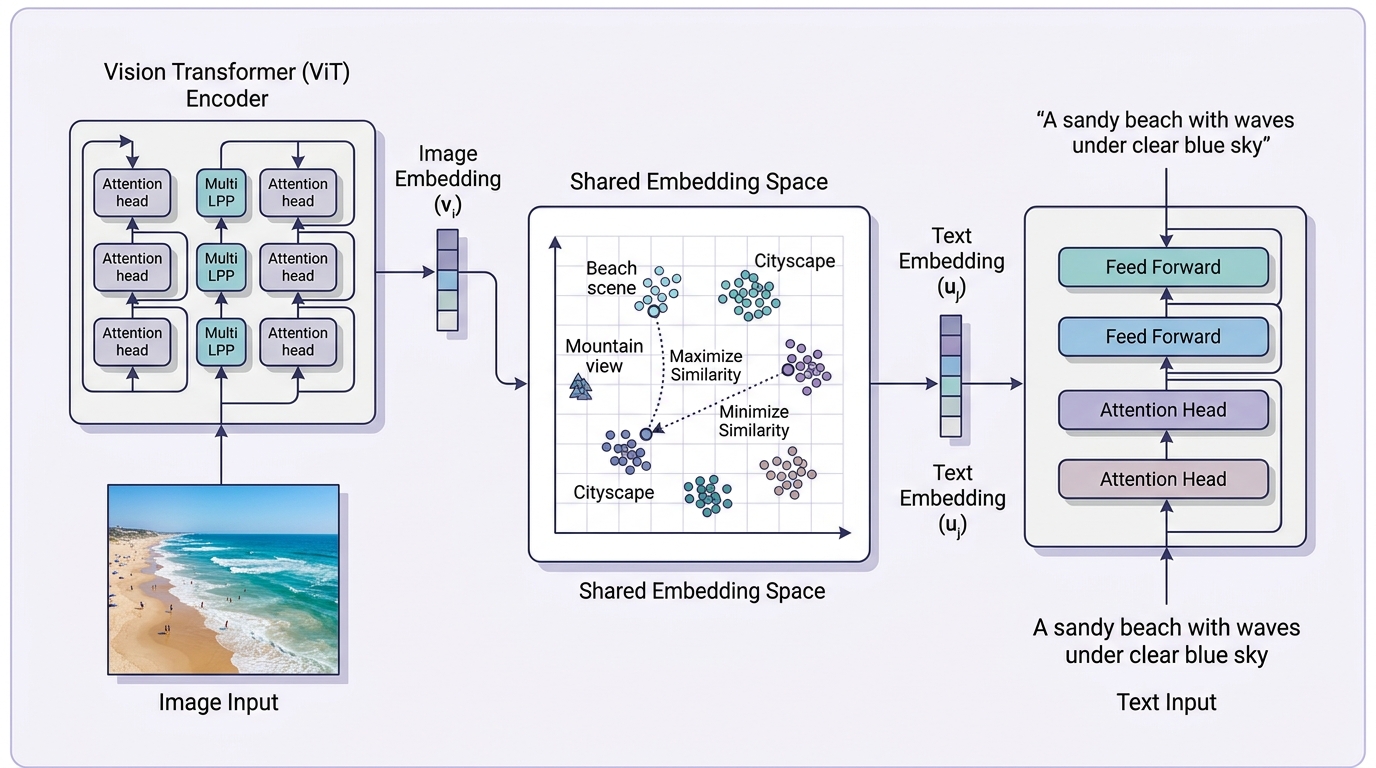
NLP and Computer Vision Mastery [July 2025 Cohort]
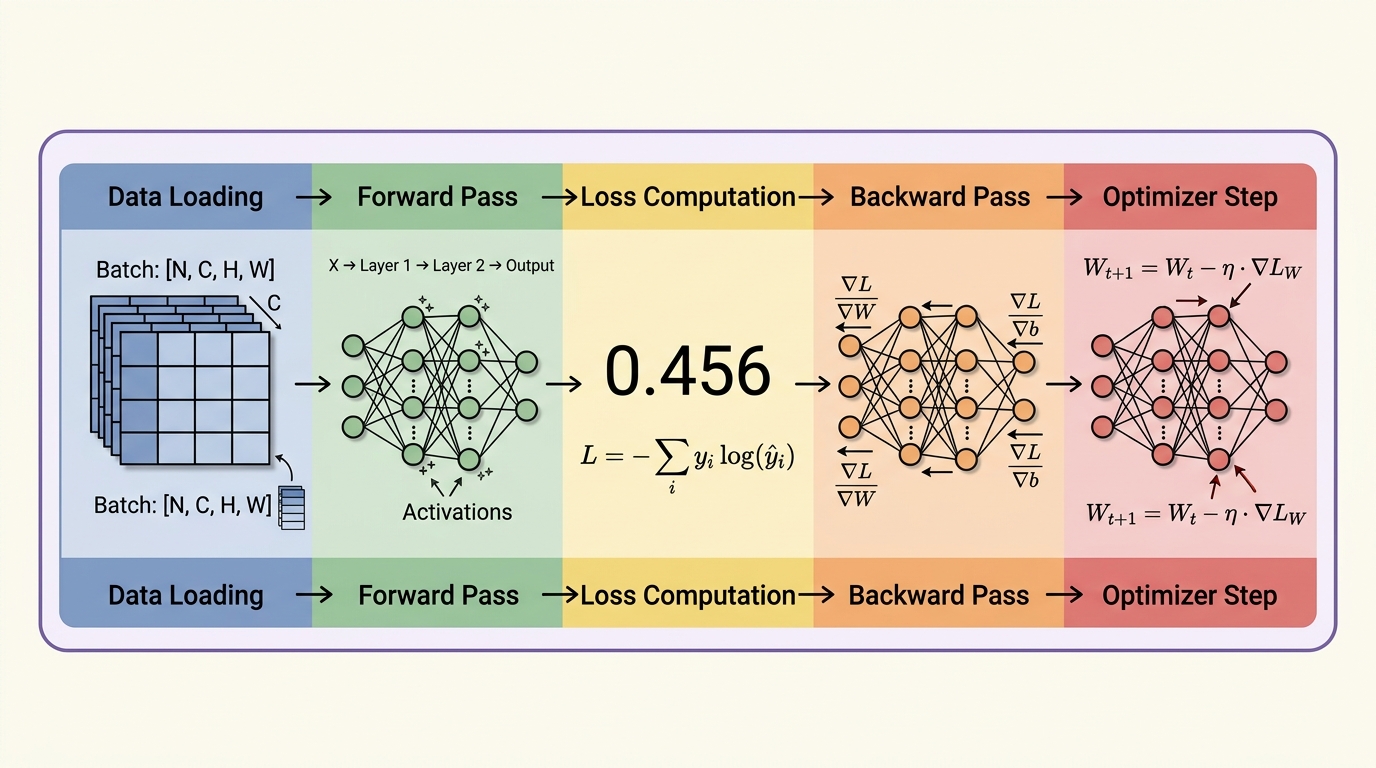
Machine Learning and Deep Learning Mastery [July 2025 Cohort]
The "Machine Learning and Deep Learning Mastery [July 2025 Cohort]" course offers a comprehensive dive into machine learning and deep learning concepts, suitable for enthusiasts aiming to elevate their understanding of these fields. The curriculum is structured to cover foundational to advanced topics, including regression theories such as OLS and ridge regression, classification techniques like logistic regression, and sophisticated deep learning structures like neural networks and CNNs. Learners will gain hands-on experience through Google Colab notebooks, exploring practical applications like feature encoding, optimization methods, and tackling overfitting. The course emphasizes interactive learning via live sessions over Zoom and fosters a collaborative environment through a Discord server where queries can be discussed with peers and instructors. Designed for individuals wishing to acquire a strong grasp of machine learning principles and apply them in real-world scenarios, it involves not just passive learning but also teaching assignments, encouraging students to cement their knowledge by instructing others. The course's meticulous design ensures that students, whether beginners or those with some prior knowledge, can effectively progress from basic concepts to complex applications in machine learning and deep learning.
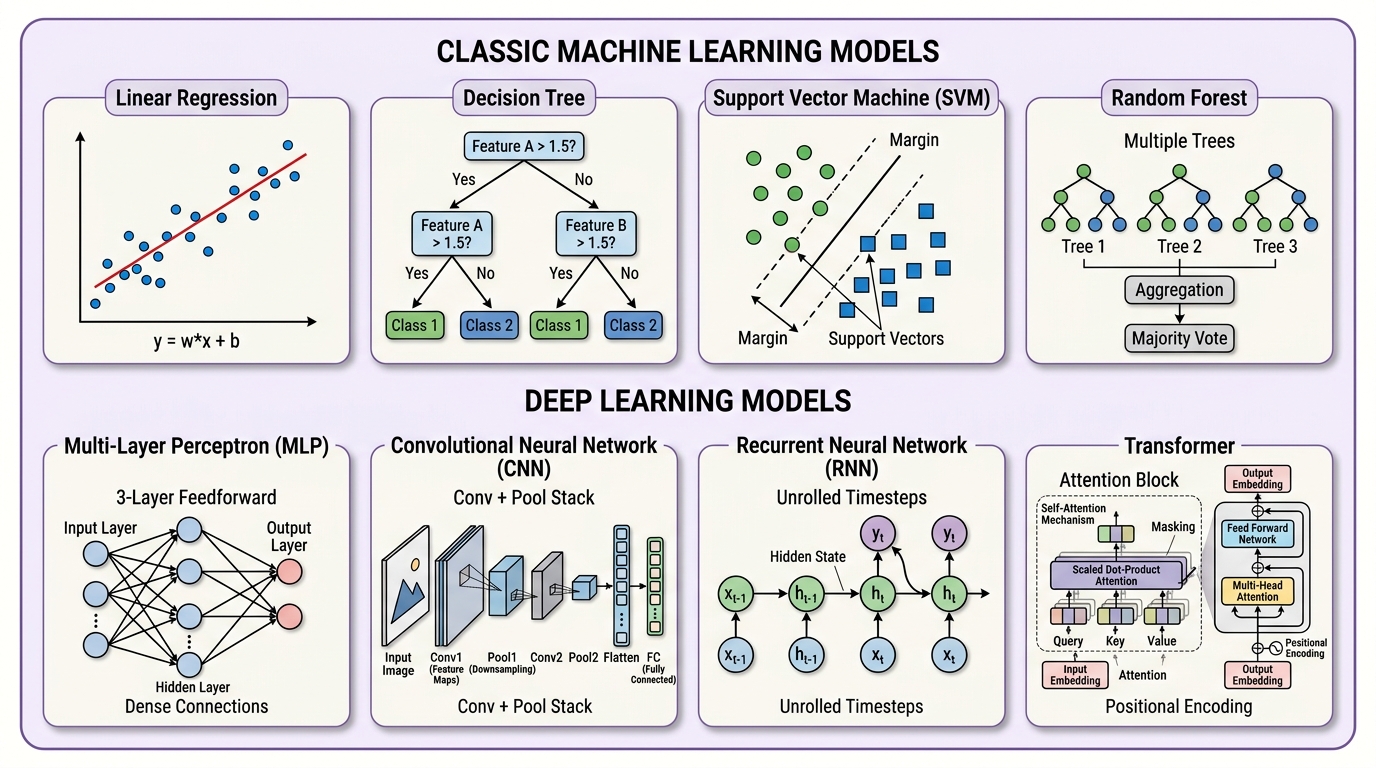
Machine Learning and Deep Learning Mastery
Machine Learning and Deep Learning Mastery is a comprehensive course designed for individuals eager to delve into the world of machine learning and deep learning from both a theoretical and hands-on perspective. The course kicks off by distinguishing between traditional machine learning and deep learning, providing students with an understanding of various machine learning types, including supervised, unsupervised, and reinforcement learning. Students will engage with regression models, such as OLS and ridge regression, and explore crucial concepts like overfitting and cross-validation. The course transitions into classification models with lessons on linear classifiers, perceptron algorithms, and logistic regression, teaching students how to encode features and distinguish different inputs through complex models. Moving further, the curriculum introduces students to the intricacies of neural networks, from constructing basic neuron layers to implementing backpropagation and understanding activation functions. A significant portion is devoted to hands-on projects using popular tools like TensorFlow for neural networks and CNNs. Students will also develop decision trees, learning to tackle classification problems with them. The program culminates with applied learning in building CNNs and reading research papers to stay updated in the fast-evolving AI landscape. This course is ideal for aspiring data scientists and engineers keen on mastering machine learning and deep learning fundamentals, equipped with the technical prowess for real-world applications. Lectures are held via Zoom, fostering an interactive environment, while additional support is provided through recorded sessions and a dedicated Discord server for resolving queries. Emphasizing attendance and active participation, the course combines theory with collaborative assignments to solidify learning, catering to learners who are committed to developing a deep understanding of these cutting-edge technologies.
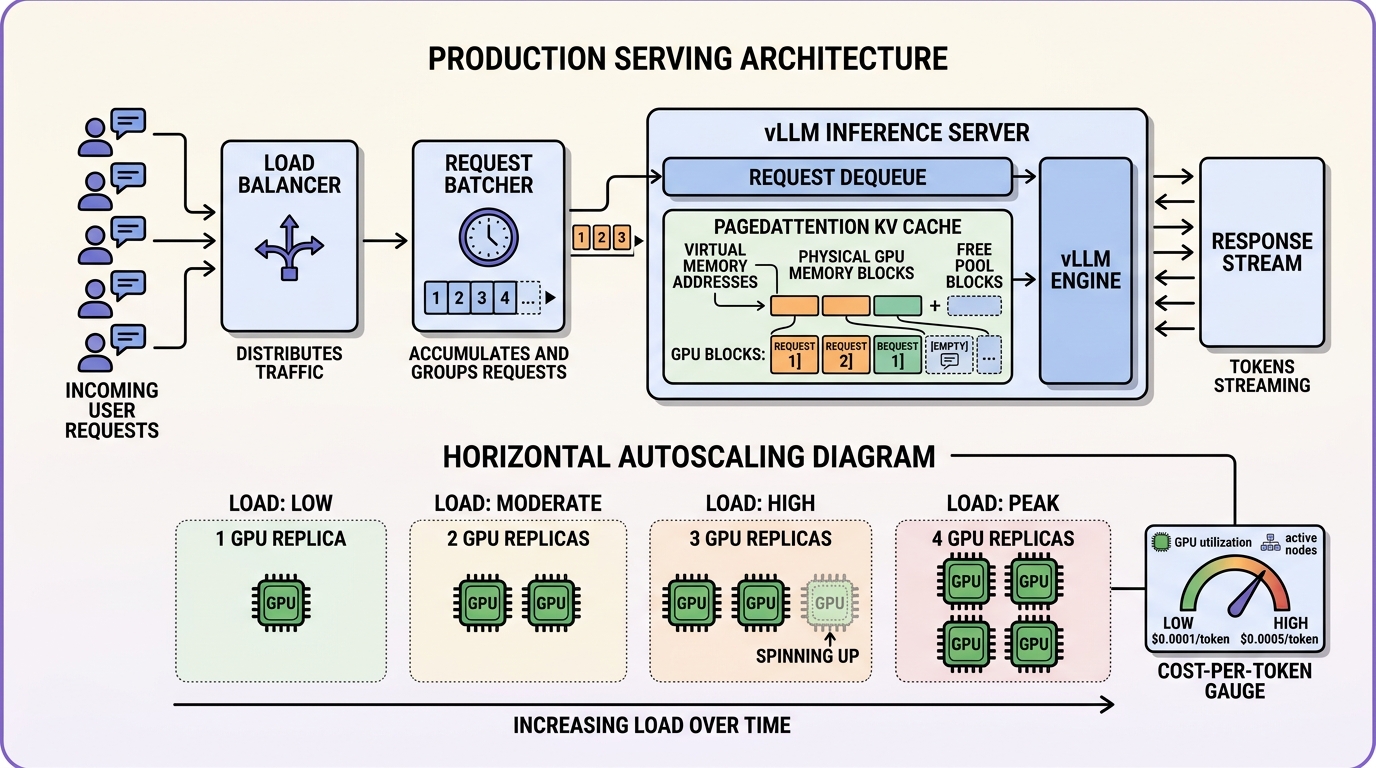
LLM Production and Deployment [July 2025 Cohort]
The "LLM Production and Deployment" course, aimed at the July 2025 cohort, offers an extensive exploration of language AI technologies, focusing on the production and deployment of large language models (LLMs). Starting with an exploration of historical advancements in language AI, the course delves into the evolution of representational versus generative language models, highlighting the structural intricacies of models like BERT and GPT. Students will gain hands-on experience with loading and applying language models via platforms like HuggingFace and VLLM, and learn practical applications such as text classification, clustering, and topic modeling, supported by empirical evaluation and industry-centric projects. The course provides in-depth insight into fine-tuning techniques, including parameter-efficient methods like LoRA, along with advanced prompt engineering strategies, which are crucial for controlling and optimizing LLM outputs. The program also explores cutting-edge topics like agent integration in Retrieval-Augmented Generation (RAG), the use of thought-action observation loops with Smolagents, and the dynamic capabilities of the Langgraph framework. Not only will students learn to manage memory types in AI systems, but they'll also explore the transformative potential of multimodal LLMs, integrating text with visual inputs through models like BLIP and CLIP. Designed for those aspiring to work in AI development, deployment, or research, this course enriches participants with both theoretical foundations and practical implementations, equipping them to navigate and innovate within the evolving landscape of language technology.
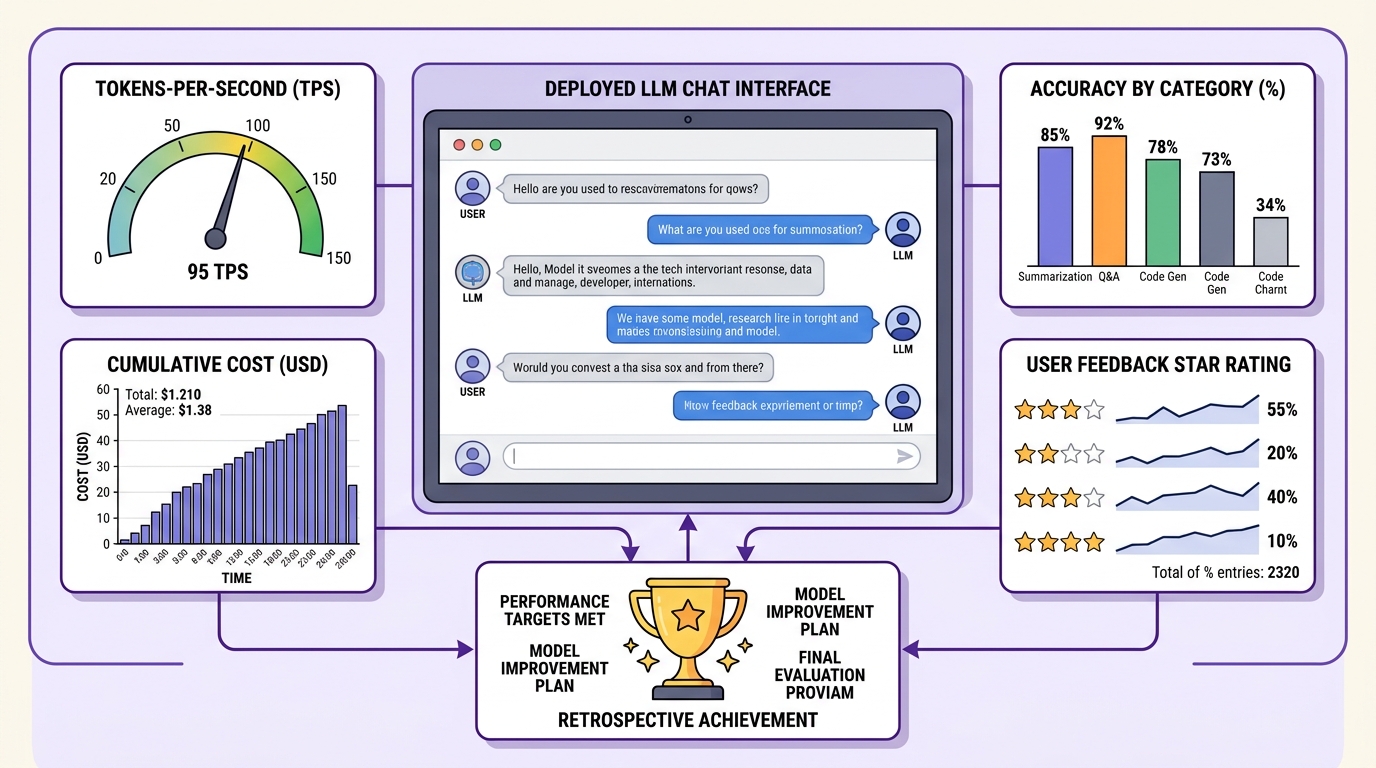
LLM Capstone Project [July 2025 Cohort]
The LLM Capstone Project course for the July 2025 cohort is designed for students keen on applying their AI knowledge in practical, innovative projects. The course kicks off with an introductory lecture that outlines its unique structure and philosophical approach, emphasizing the significance of innovation in AI-driven initiatives. Unlike conventional courses, this program adopts a hands-on methodology, urging students to propose groundbreaking ideas and collaborate in teams to bring these projects to life. The course targets individuals ready to dive deep into the practical aspects of AI by developing real-world solutions. With class sessions held from 7 to 8:30 PM IST on Saturdays and Sundays, students can balance this intensive learning experience with other commitments. The course leverages digital collaboration tools, providing a list of proposals for project ideas and utilizing Zoom for seamless interaction during scheduled sessions.
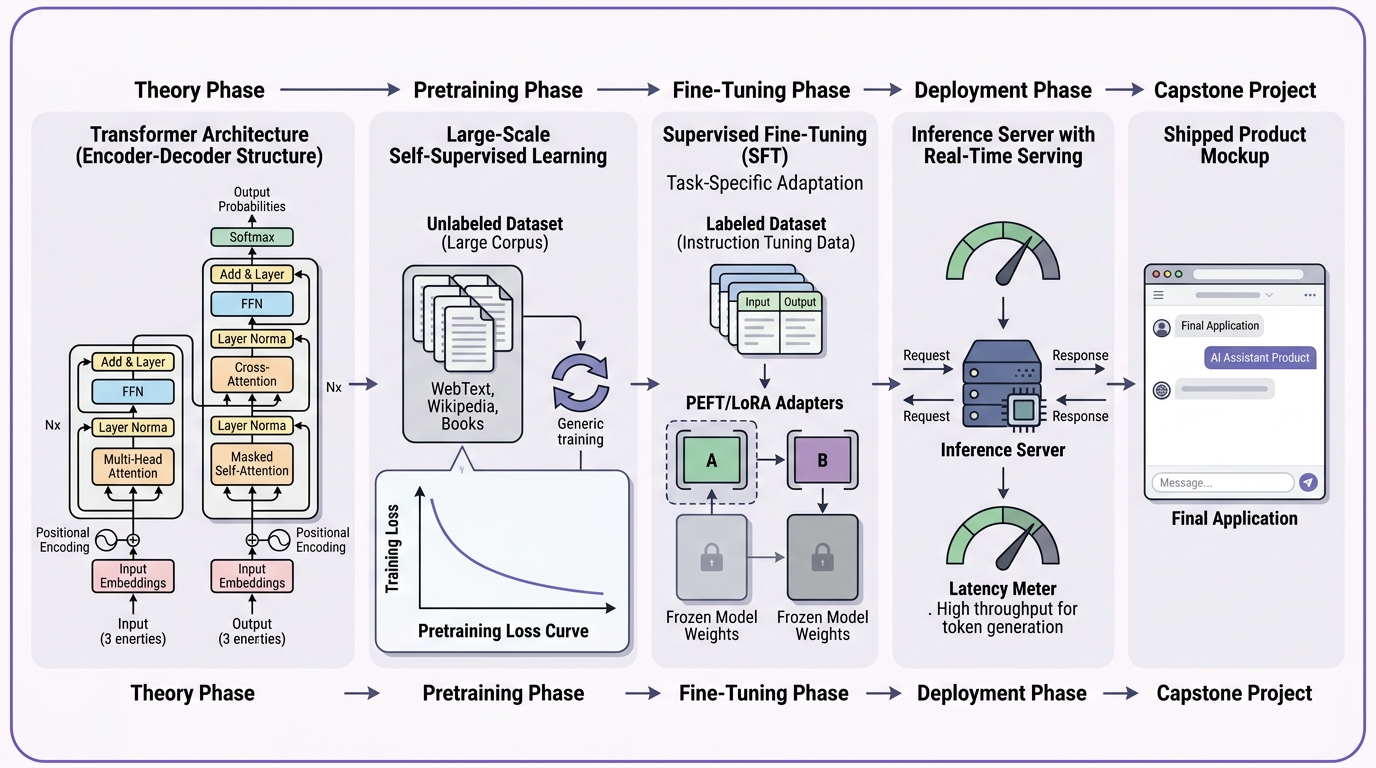
Large Language Models Theory and Deployment, Capstone Project
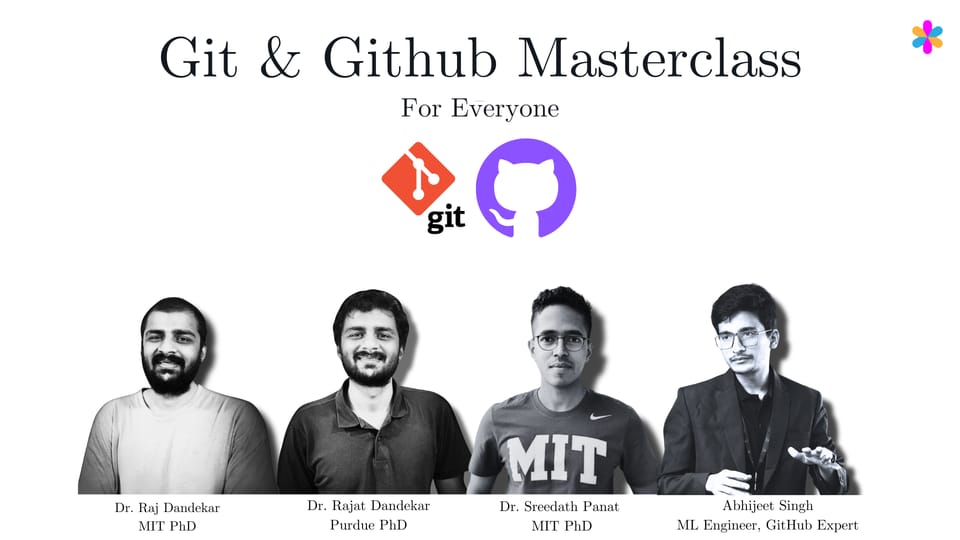
Git, GitHub & GitHub Desktop: A Masterclass for Complete Beginners
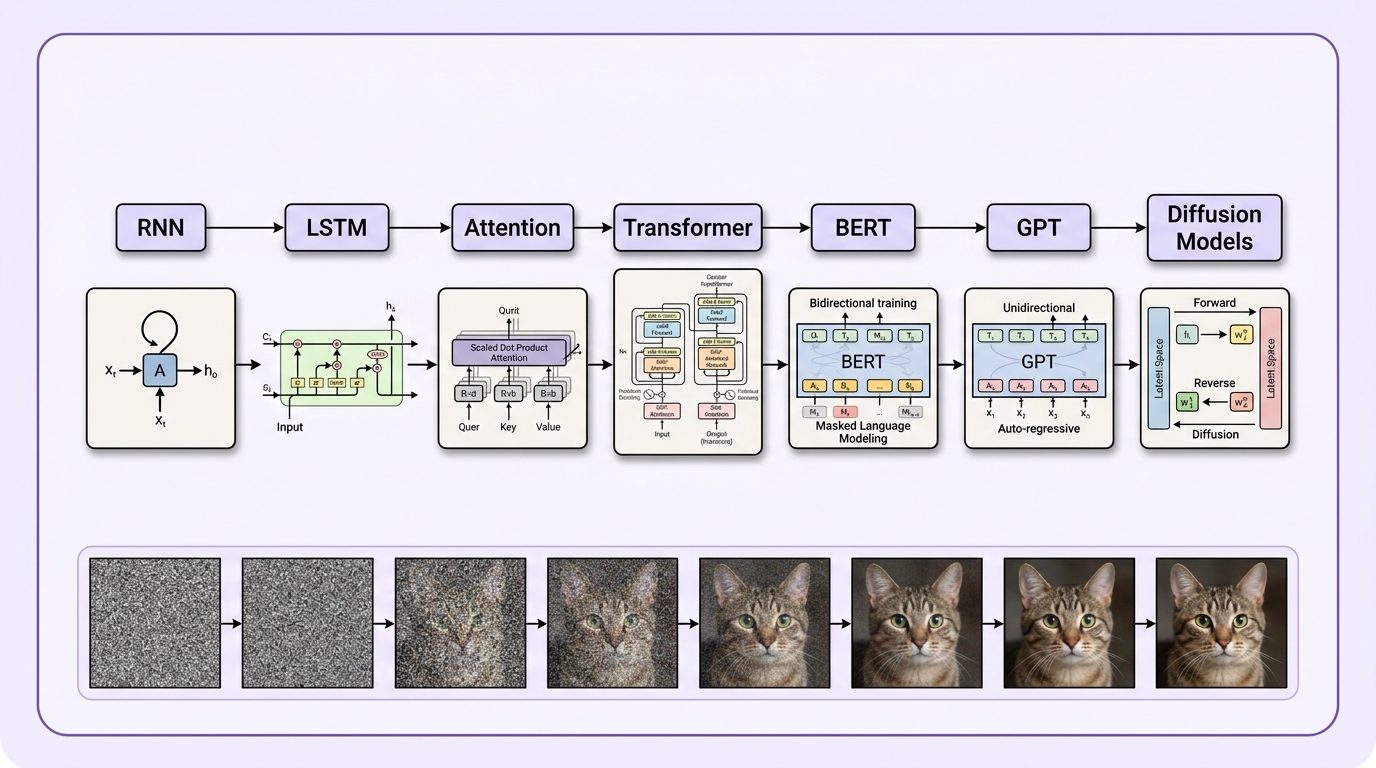
Generative AI Fundamentals [July 2025 Cohort]
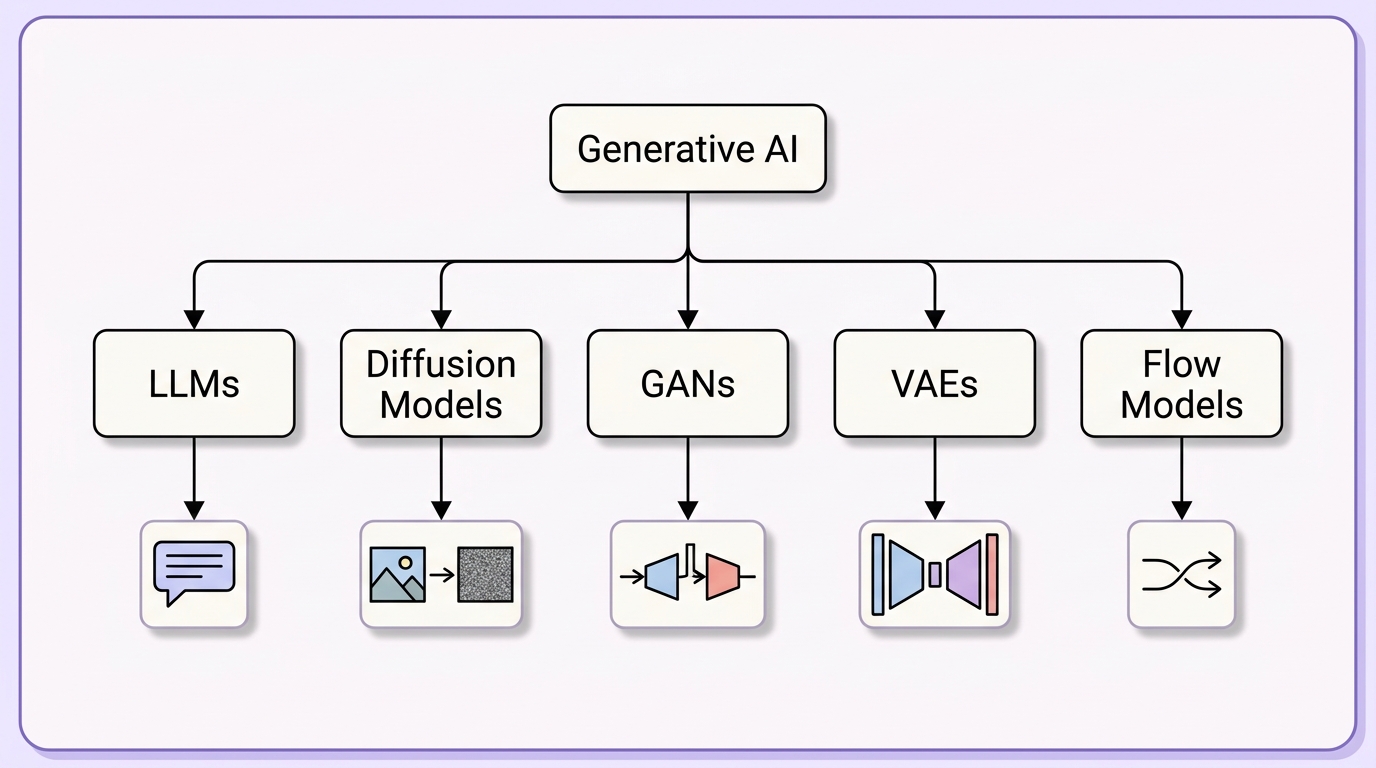
Generative AI Fundamentals
The "Generative AI Fundamentals" course offers a comprehensive journey into the world of generative artificial intelligence, specifically designed for those interested in understanding and applying AI tools creatively across various industries. Starting from the fundamentals of generative AI, the course explores the historical evolution and practical challenges of recurrent neural networks (RNNs) and their advancements like LSTMs and GRUs. Students gain hands-on experience by coding RNNs and LSTMs from scratch, tackling problems like vanishing gradients and limited context handling. Building on this, the curriculum delves into advanced topics such as attention mechanisms, transformers for text generation, and the coding of innovative models like GANs and diffusion models. The lectures, which happen live via Zoom on weekends, are complemented by recorded sessions, Google Colab exercises, and a vibrant Discord community for doubt resolution and peer interactions. With a blend of theoretical insights and practical coding, the course is ideal for learners who are keen to develop cutting-edge AI applications, emphasize creativity, and anticipate future trends in AI technology. Participants are also engaged in teaching assignments, cementing their knowledge by explaining concepts to peers, making the course not only an educational program but also a community-building platform for future AI innovators.
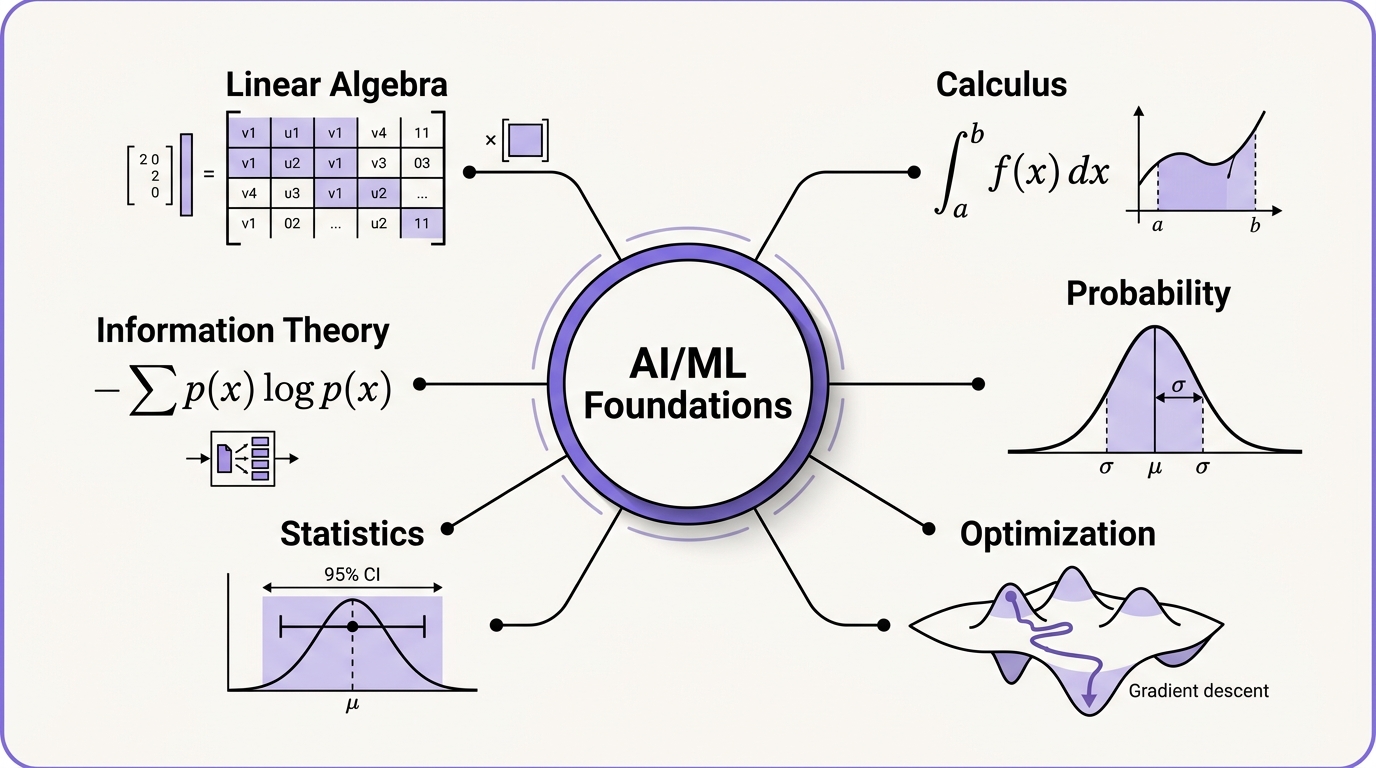
Foundations in AI and ML
The "Foundations in AI and ML" course offers an in-depth exploration into the fundamentals of Artificial Intelligence and Machine Learning, perfect for those looking to understand and leverage these technologies. Scheduled to commence on January 25th, 2025, this course unfolds over weekly live sessions on Saturdays and Sundays from 5-6:30pm IST via Zoom, with each week comprising three hours of lectures split into two sessions. Students will engage in practical, interactive assignments, including in-lecture breakout room activities, weekly take-home tasks, and teaching assignments, inspired by Feynman's teaching philosophy, to cement understanding through instruction. Attendance is mandatory, as the course is live and recordings are provided for review purposes only. To facilitate immersive learning, students are advised to attend via computer, utilize platforms like Google Colab for coding exercises, and employ note-taking tools such as Wacom tablets and Miro for digital annotations. This course is tailored for individuals committed to a comprehensive grasp of AI and ML through structured participation and practice.
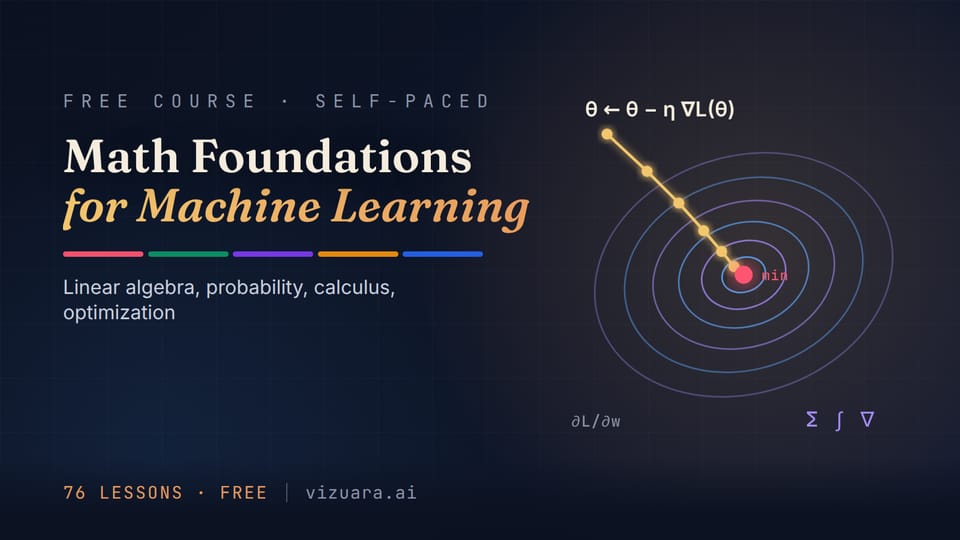
Mathematical Foundations for ML
Every machine learning model is mathematics you can learn in a few weeks. This course teaches exactly the linear algebra, probability, calculus and optimisation that ML actually uses, with visual intuition first and hand-written notes alongside each lecture, so that gradient descent, backpropagation and Bayes' theorem stop being magic words. What you will learn Vectors, matrices and transformations, and why determinants and eigenvectors matter for data Conditional probability, Bayes' theorem, distributions, hypothesis testing and Naive Bayes Derivatives, the chain rule, partial derivatives, gradients and integrals for ML Optimisation from gradient descent to SGD, momentum, RMSprop and Adam Python, NumPy and Pandas foundations, including matrix multiplication from scratch What is included 76 lessons with about 24 hours of video Hand-written notes for the calculus and optimisation modules A closing overview of core ML algorithms and the future of the field Course end test Who it is for Anyone starting machine learning who wants to understand the equations rather than copy them. No prior ML experience needed; school-level mathematics is enough.
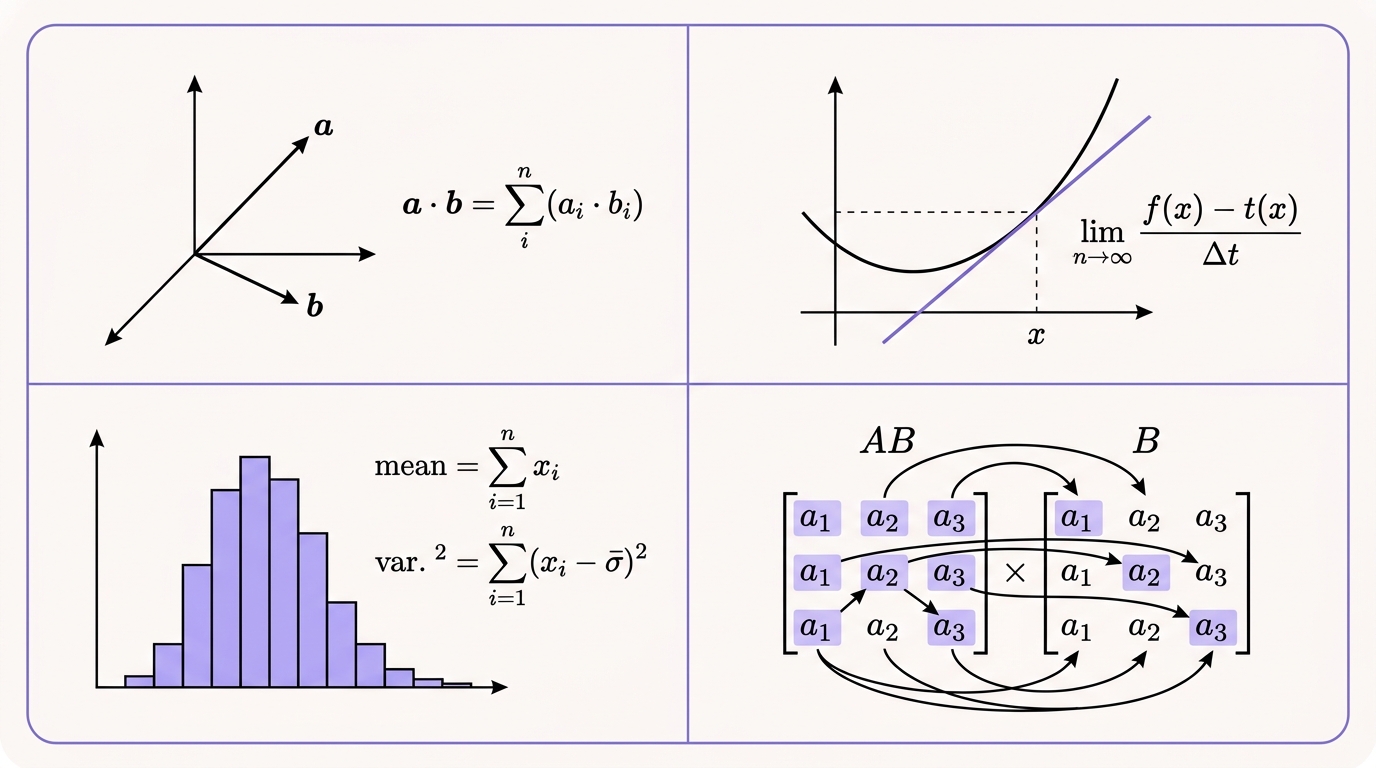
Foundations for AI and ML [July 2025 Cohort]
Data Structures and Algorithms in Python

Citypride Class 5-8: AI Explorers- Introduction to Artificial Intelligence
Designed specifically for middle school students aged 10-13 Engaging and interactive course format Covers the basics of AI, including definition and real-world applications Distinguishes between AI and non-AI machines Highlights the importance of AI in the modern world Introduction to ChatGPT and its capabilities Hands-on projects for practical learning: Image classification Voice recognition Introduction to machine intelligence, including how computers: See Listen Move Make decisions Exciting lab projects to apply learning: Bananometer Sleep Detector Focus on the ethical implications of AI Discusses AI's potential to contribute to global goals Completion of the course earns a certificate from Vizuara AI Labs
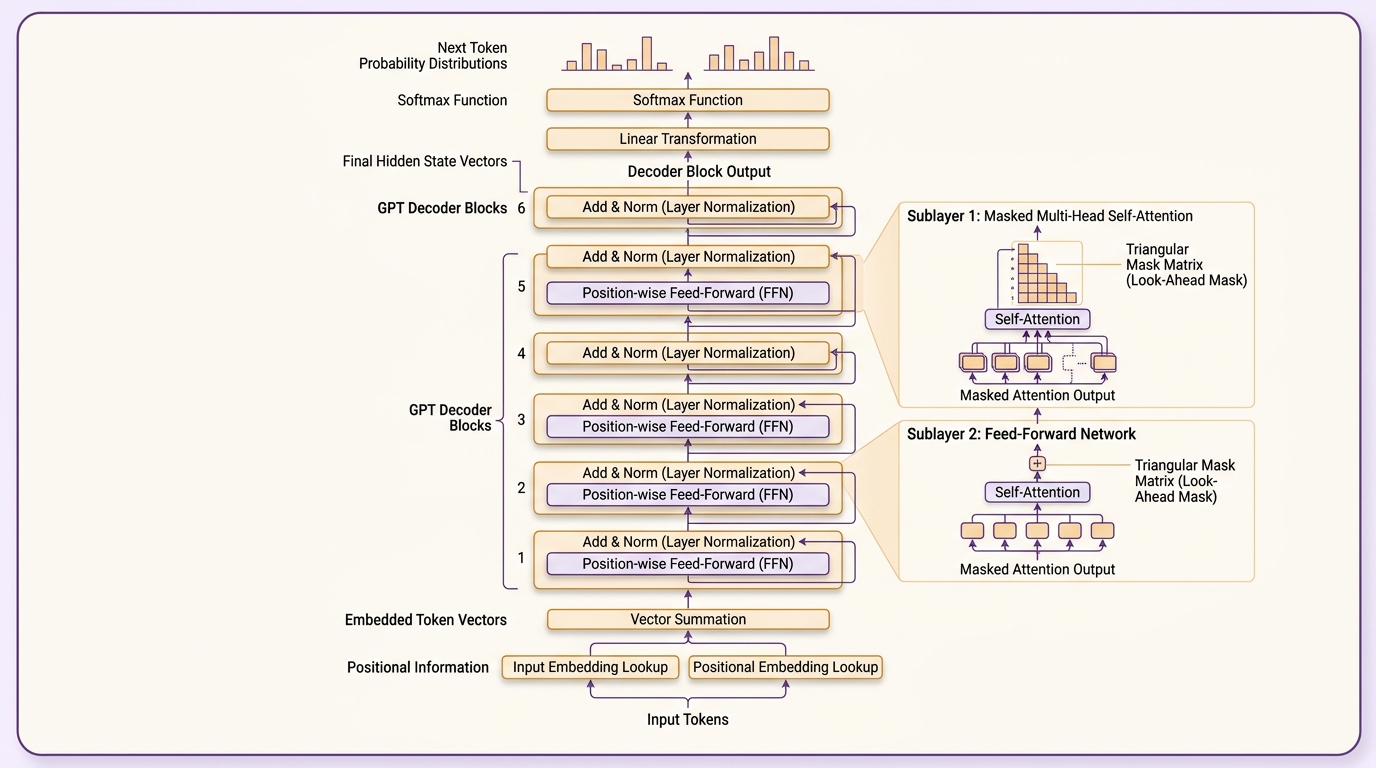
Build your own GPT from Scratch
"Build your own GPT from Scratch" is an extensive live course designed for those keen on delving into the intricacies of large language models (LLMs) by constructing a GPT model from the ground up. Spanning several weeks, this course comprehensively covers the foundational concepts of AI and machine learning with emphasis on pre-training and fine-tuning. Students will explore a range of topics from the basics of tokenization, including word-based and Byte Pair Encoding (BPE), to advanced methodologies like self, causal, and multi-head attention mechanisms. The course effectively combines theoretical lectures with practical coding sessions on platforms like Google Colab, ensuring a hands-on learning experience. Participants will engage in mid-term assignments, creating and using input-target pairs, learning about important components such as layer normalization, and finally assembling the entire GPT architecture. Key to this course is a focus on not just understanding but also implementing concepts, with assignments designed to solidify students' grasp on building LLMs and fine-tuning models for specific tasks. Delivered via Zoom with recordings available for later review, the course encourages interactive engagement through Discord, facilitating a collaborative learning community. This course is ideal for AI enthusiasts, data scientists, and engineers who aim to deepen their understanding of language models and gain the ability to develop their own GPT models, providing the skills and knowledge to apply these techniques in real-world applications. The course places a strong emphasis on live participation, allowing learners to benefit from expert guidance and peer interaction.
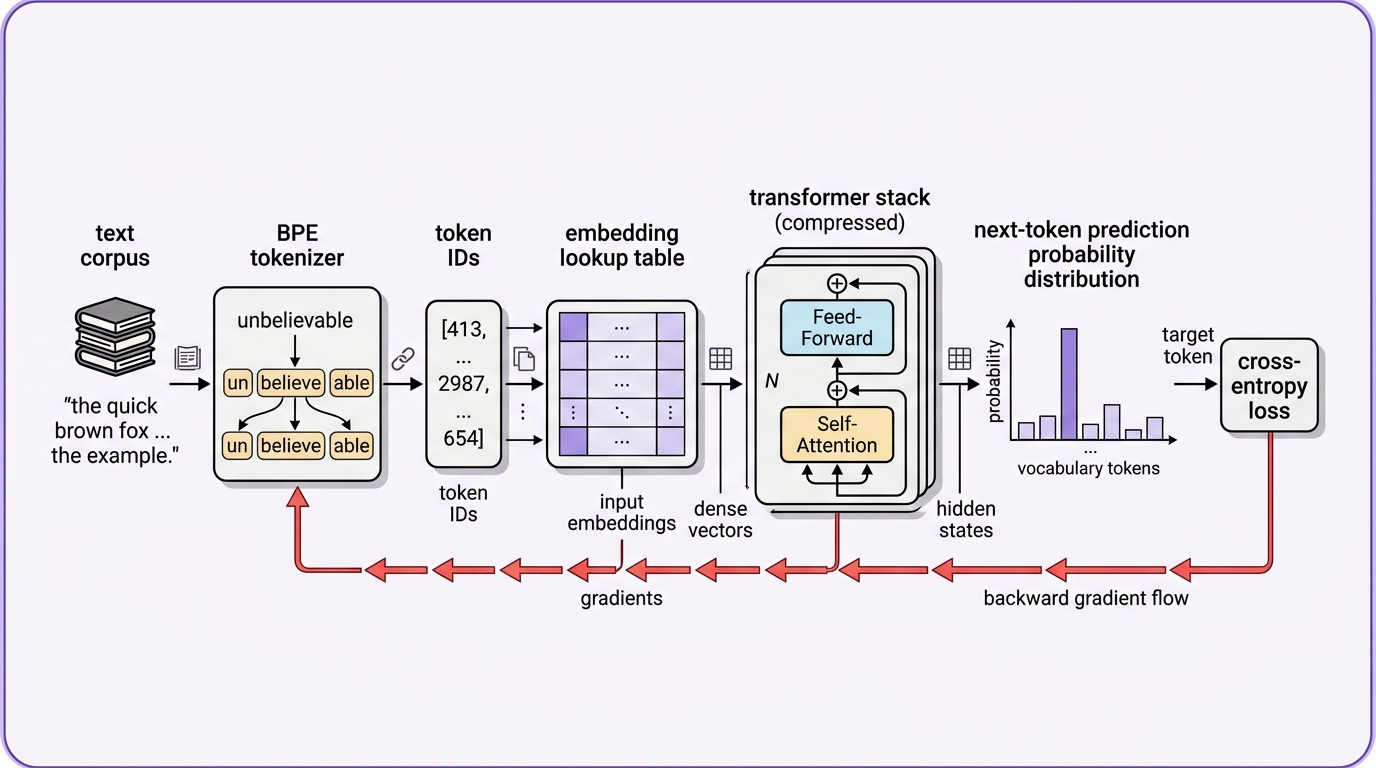
Build LLM from Scratch [July 2025 Cohort]
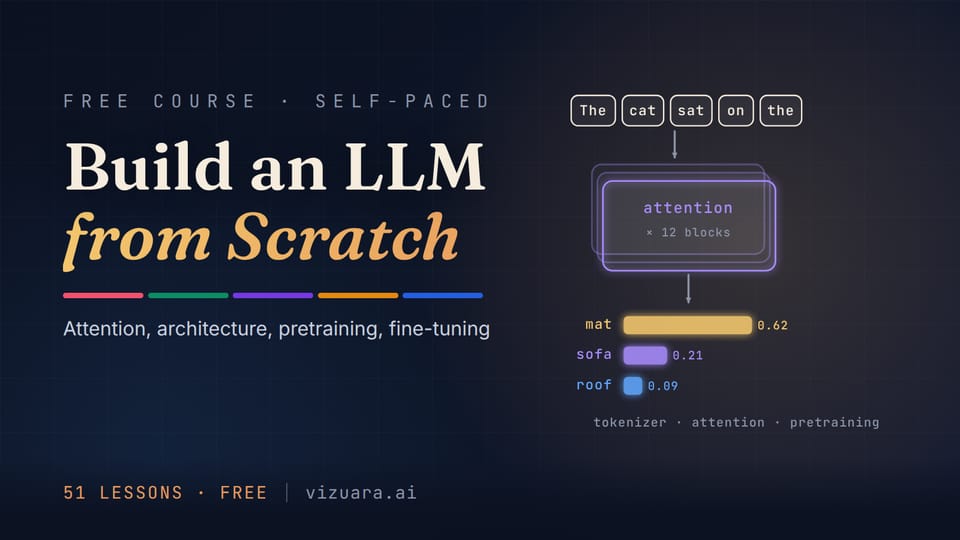
Build Large Language Models (LLMs) from Scratch
Build a GPT-style large language model from an empty Python file, the same way the frontier labs do it. Vizuara's most popular course walks through all five stages: data preprocessing, attention, architecture, pretraining and finetuning, and by the end you have trained and finetuned your own 124 million parameter GPT-2. What you will learn Tokenisation and byte-pair encoding, input-target pairs, token and positional embeddings Simplified, causal and multi-head attention, coded step by step The full transformer block with layer normalisation, GeLU and shortcut connections The pretraining loop, loss evaluation, temperature scaling and top-k sampling Finetuning twice: a spam classifier and an instruction-following assistant What is included 51 lessons with about 31 hours of video All Google Colab notebooks Seven parts of lecture notes and a 20-minute summary Course end test Who it is for Anyone comfortable with Python and basic neural networks who wants to understand LLMs from the inside rather than only through an API.

Annasaheb Class 5-8: AI Explorers- Introduction to Artificial Intelligence
Designed specifically for middle school students aged 10-13 Engaging and interactive course format Covers the basics of AI, including definition and real-world applications Distinguishes between AI and non-AI machines Highlights the importance of AI in the modern world Introduction to ChatGPT and its capabilities Hands-on projects for practical learning: Image classification Voice recognition Introduction to machine intelligence, including how computers: See Listen Move Make decisions Exciting lab projects to apply learning: Bananometer Sleep Detector Focus on the ethical implications of AI Discusses AI's potential to contribute to global goals Completion of the course earns a certificate from Vizuara AI Labs
Annasaheb (Class 9): AI Innovators- Beyond the Basics of AI and Machine Learning

Annasaheb (Class 10): AI Pioneers- Building Foundations in AI, ML, and DL
Designed for high school beginners aged 15-16 Establishes strong foundations in AI, ML, and DL Entry-level course introducing concepts of AI and intelligence Highlights the importance of AI and the five senses of intelligence Explores different types of AI models and neural networks Hands-on lab projects for practical experience: Image classification Regression analysis Covers the AI project cycle and evaluation of AI models Introduces Natural Language Processing (NLP) and Computer Vision (CV) Projects include: Building their own chatbot Creating a Spotify song classifier Completion of the course earns a certificate from Vizuara AI Labs

Anantrao Class 5-8: AI Explorers- Introduction to Artificial Intelligence
Designed specifically for middle school students aged 10-13 Engaging and interactive course format Covers the basics of AI, including definition and real-world applications Distinguishes between AI and non-AI machines Highlights the importance of AI in the modern world Introduction to ChatGPT and its capabilities Hands-on projects for practical learning: Image classification Voice recognition Introduction to machine intelligence, including how computers: See Listen Move Make decisions Exciting lab projects to apply learning: Bananometer Sleep Detector Focus on the ethical implications of AI Discusses AI's potential to contribute to global goals Completion of the course earns a certificate from Vizuara AI Labs

AI Pioneers: Building Foundations in AI, ML, and DL (Class 10)
Designed for high school beginners aged 15-16 Establishes strong foundations in AI, ML, and DL Entry-level course introducing concepts of AI and intelligence Highlights the importance of AI and the five senses of intelligence Explores different types of AI models and neural networks Hands-on lab projects for practical experience: Image classification Regression analysis Covers the AI project cycle and evaluation of AI models Introduces Natural Language Processing (NLP) and Computer Vision (CV) Projects include: Building their own chatbot Creating a Spotify song classifier Completion of the course earns a certificate from Vizuara AI Labs

AI Pioneers [LIVE]: Building Foundations in AI, ML, and DL (Class 10)
Designed for high school beginners aged 15-16 Establishes strong foundations in AI, ML, and DL Entry-level course introducing concepts of AI and intelligence Highlights the importance of AI and the five senses of intelligence Explores different types of AI models and neural networks Hands-on lab projects for practical experience: Image classification Regression analysis Covers the AI project cycle and evaluation of AI models Introduces Natural Language Processing (NLP) and Computer Vision (CV) Projects include: Building their own chatbot Creating a Spotify song classifier Completion of the course earns a certificate from Vizuara AI Labs
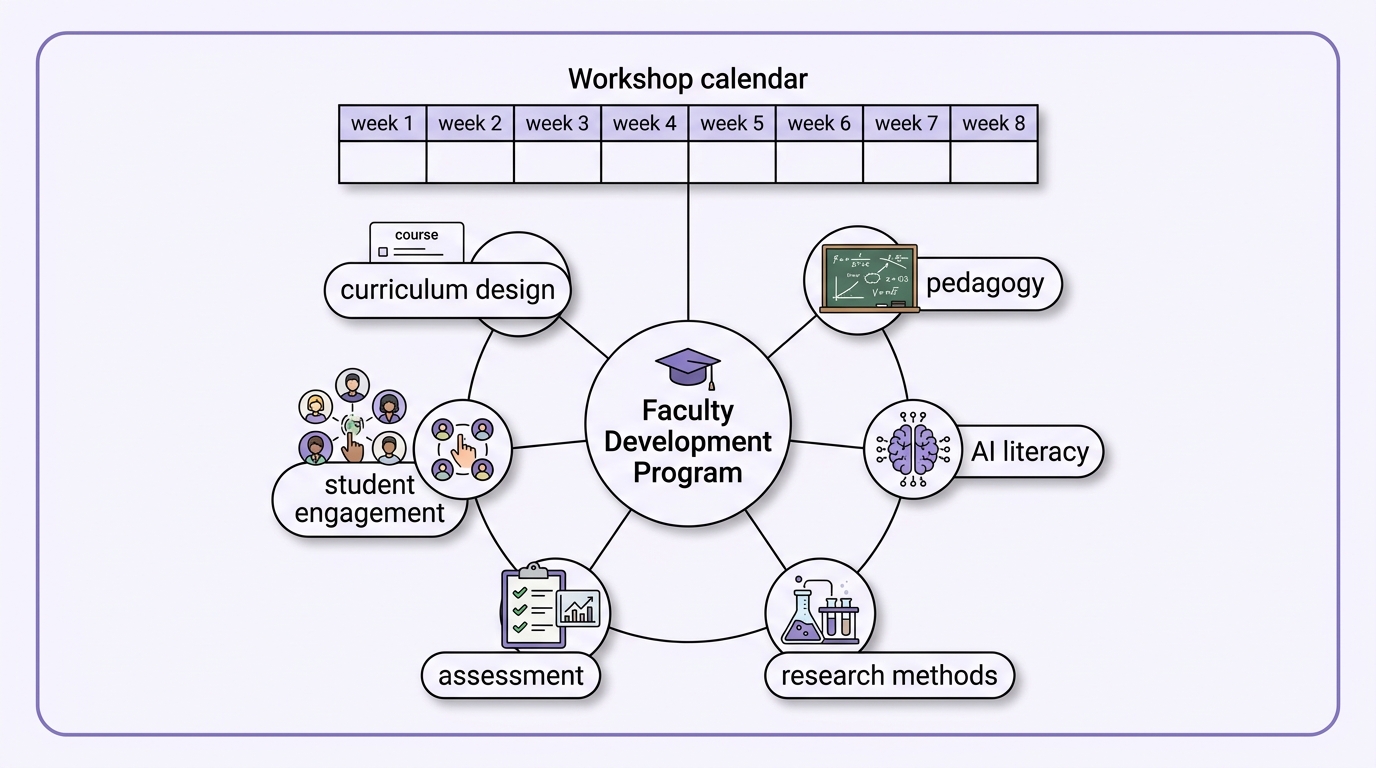
AI Faculty Development Program
10-Day AI Summer Camp [Grades 5-12]

(Self-paced) AI Pioneers: Building Foundations in AI, ML, and DL (Class 10)
Designed for high school beginners aged 15-16 Establishes strong foundations in AI, ML, and DL Entry-level course introducing concepts of AI and intelligence Highlights the importance of AI and the five senses of intelligence Explores different types of AI models and neural networks Hands-on lab projects for practical experience: Image classification Regression analysis Covers the AI project cycle and evaluation of AI models Introduces Natural Language Processing (NLP) and Computer Vision (CV) Projects include: Building their own chatbot Creating a Spotify song classifier Completion of the course earns a certificate from Vizuara AI Labs
(Self-paced) AI Innovators: Beyond the Basics of AI and Machine Learning (Class 9)

(Self-paced) AI Explorers: Introduction to Artificial Intelligence (Class 5-8)
Designed specifically for middle school students aged 10-13 Engaging and interactive course format Covers the basics of AI, including definition and real-world applications Distinguishes between AI and non-AI machines Highlights the importance of AI in the modern world Introduction to ChatGPT and its capabilities Hands-on projects for practical learning: Image classification Voice recognition Introduction to machine intelligence, including how computers: See Listen Move Make decisions Exciting lab projects to apply learning: Bananometer Sleep Detector Focus on the ethical implications of AI Discusses AI's potential to contribute to global goals Completion of the course earns a certificate from Vizuara AI Labs

(LIVE) AI Pioneers: Building Foundations in AI, ML, and DL (Class 10)
Designed for high school beginners aged 15-16 Establishes strong foundations in AI, ML, and DL Entry-level course introducing concepts of AI and intelligence Highlights the importance of AI and the five senses of intelligence Explores different types of AI models and neural networks Hands-on lab projects for practical experience: Image classification Regression analysis Covers the AI project cycle and evaluation of AI models Introduces Natural Language Processing (NLP) and Computer Vision (CV) Projects include: Building their own chatbot Creating a Spotify song classifier Completion of the course earns a certificate from Vizuara AI Labs
(LIVE) AI Innovators: Beyond the Basics of AI and Machine Learning (Class 9)
.

(LIVE) AI Explorers: Introduction to Artificial Intelligence (Class 5-8)
Designed specifically for middle school students aged 10-13 Engaging and interactive course format Covers the basics of AI, including definition and real-world applications Distinguishes between AI and non-AI machines Highlights the importance of AI in the modern world Introduction to ChatGPT and its capabilities Hands-on projects for practical learning: Image classification Voice recognition Introduction to machine intelligence, including how computers: See Listen Move Make decisions Exciting lab projects to apply learning: Bananometer Sleep Detector Focus on the ethical implications of AI Discusses AI's potential to contribute to global goals Completion of the course earns a certificate from Vizuara AI Labs

(LIVE) AI Explorers: Introduction to Artificial Intelligence (Class 5-8)
Designed specifically for middle school students aged 10-13 Engaging and interactive course format Covers the basics of AI, including definition and real-world applications Distinguishes between AI and non-AI machines Highlights the importance of AI in the modern world Introduction to ChatGPT and its capabilities Hands-on projects for practical learning: Image classification Voice recognition Introduction to machine intelligence, including how computers: See Listen Move Make decisions Exciting lab projects to apply learning: Bananometer Sleep Detector Focus on the ethical implications of AI Discusses AI's potential to contribute to global goals Completion of the course earns a certificate from Vizuara AI Labs